 +593 99 128 3079
 Toll free: +1 866 987 0876


12 Things to Do in Otavalo, from the Saturday Market to Crater Lakes
Weaving villages, crater lakes and the Saturday market, two hours north of Quito.
 Rebecca Braak | Updated: October 22, 2026 | Time to read: 13 min
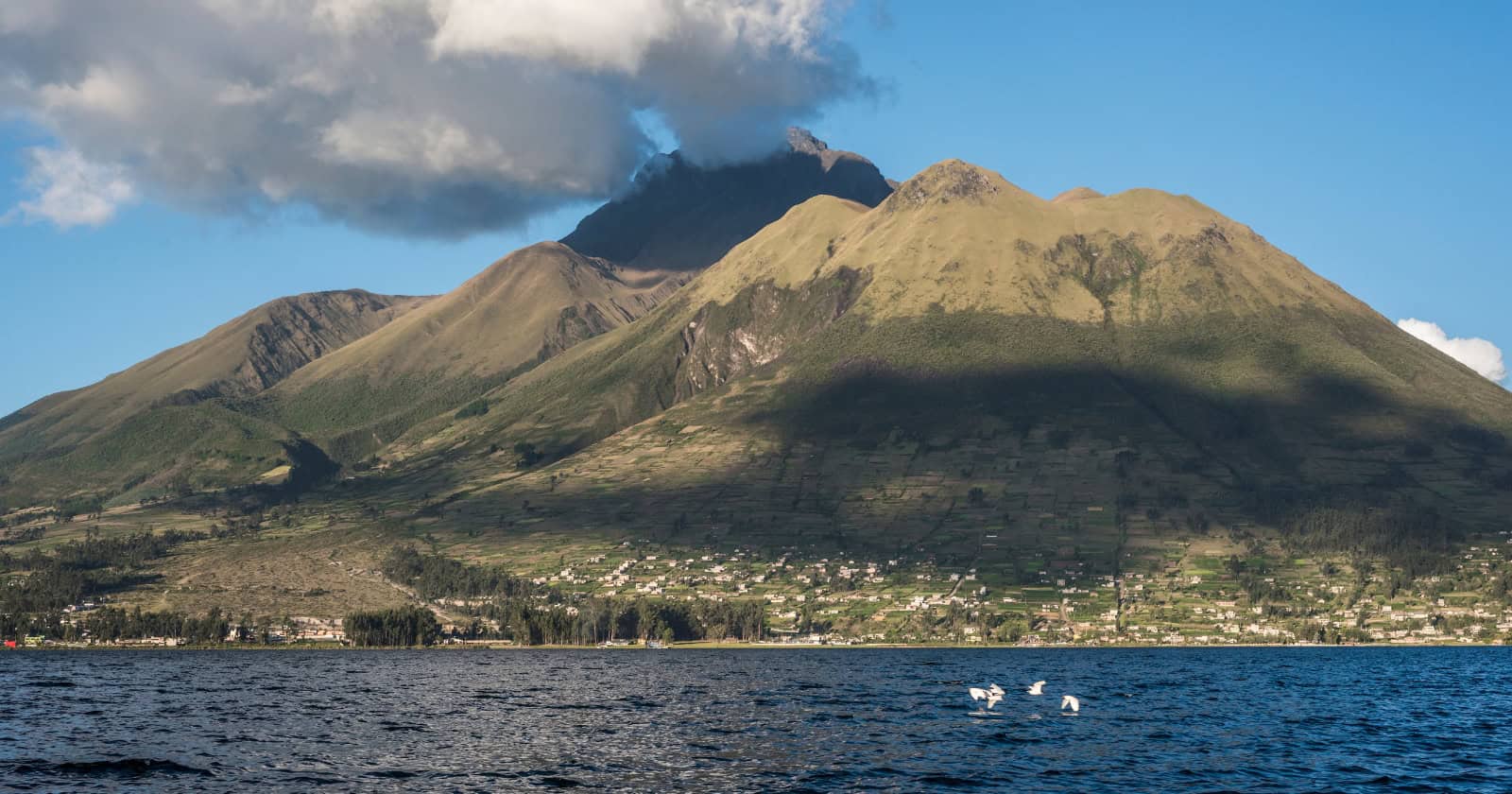
The best things to do in Otavalo start at the market in Plaza de los Ponchos and spread out into the volcanic country around it: the crater lake of Cuicocha, Peguche Waterfall, Parque Cóndor, and the Kichwa weaving villages that supply the stalls. Otavalo, Ecuador sits at 2,532 m (8,307 ft) in Imbabura province, about two hours north of Quito, which makes it the easiest highland escape on most Ecuador tours.
A day trip covers the market and one or two nearby stops. With a second day, you can hike the rim of Cuicocha, meet artisans in their workshops, and spend a night with a Kichwa family, as on our two-day Otavalo tour with a homestay near Cotacachi. Our team in Quito plans trips to Otavalo every week, and this guide shares the timing, distances, and local advice we give our own travelers.
Quick Facts: Altitude, Weather, and Getting There
Otavalo is a Kichwa market town in Ecuador’s northern Andes, set between Imbabura and Cotacachi volcanoes and about 95 km north of Quito by road.
Fact | Detail |
|---|---|
Altitude | 2,532 m (8,307 ft), slightly lower than Quito |
Province | Imbabura, inside the Imbabura UNESCO Global Geopark |
From Quito | About 2 hours by road on the Pan-American Highway |
Market days | Daily at Plaza de los Ponchos; Saturday is the main day and Wednesday the second |
Animal market | Saturday, from roughly 5 a.m. to 10 a.m. |
Festivals | Inti Raymi around the June solstice; Yamor in the first half of September |
Weather | Mild days and cool nights all year; pack layers and a rain jacket |
12 Things to Do in Otavalo That Blend Culture and Nature
1. Shop the Otavalo Market at Plaza de los Ponchos
The Otavalo market is one of the best-known Indigenous markets in South America. Stalls in Plaza de los Ponchos open every day, and on Saturday the market spills into the surrounding streets, with Wednesday as the second busiest day. Kichwa families sell wool ponchos, tapestries, embroidered blouses, tagua jewelry, and Andean instruments, part of a weaving tradition that predates the Inca. Our market guide further down covers the best time to go and how to buy well.
Be alert and take care of your belongings. Otavalo is safe, but the market is busy, and people will bump into you all the time. Also, haggle. You can negotiate up to 70% off the price they give you.

2. Watch Raptors Fly at Parque Cóndor
On Pucará hill, east of town, Parque Cóndor rescues and rehabilitates birds of prey: hawks, eagles, falcons, owls, and the Andean condor, Ecuador’s national bird. From the viewpoint, you see Imbabura volcano to the northeast and Cotacachi to the northwest. The park also runs environmental education programs, and visitor tickets help pay for the birds’ care.
The park opens Wednesday to Sunday from 9:30 a.m. to 5 p.m., with free-flight demonstrations at 11:30 a.m. and 3:30 p.m. A taxi from the center takes about 15 minutes. The Andean condor is listed as Vulnerable by BirdLife International, the IUCN Red List authority for birds, so seeing one up close is a rare chance.

3. Hike the Rim of Cuicocha Crater Lake
About 30 minutes from Otavalo, Cuicocha fills a caldera at the foot of Cotacachi volcano, just over 3,000 m (9,840 ft) above sea level. A massive eruption formed the crater some 3,100 years ago, and two forested islands, Teodoro Wolf and Yerovi, rise from the middle. Visitors cannot land on them.
The rim trail runs about 14 km (9 miles) and takes four to five hours, with views over the lake and, on clear mornings, Cotacachi’s summit. Shorter walks start at the visitor center, which explains how the crater formed, and short boat rides leave from the dock below it. Cuicocha is part of the Cotacachi-Cayapas Ecological Reserve. Its Kichwa name is usually translated as “lake of the guinea pig”, after the shape of the larger island, and local legends say the lake has no bottom.

4. Walk Up to El Lechero for Valley Views
El Lechero is a lone, centuries-old tree on the hill between Otavalo and San Pablo Lake, sacred to the Kichwa communities, who leave offerings and come here to ask for healing. The walk from town is short but steep, and the reward is a wide view over Otavalo, the lake and Imbabura. Go in the morning, before clouds settle on the volcano.
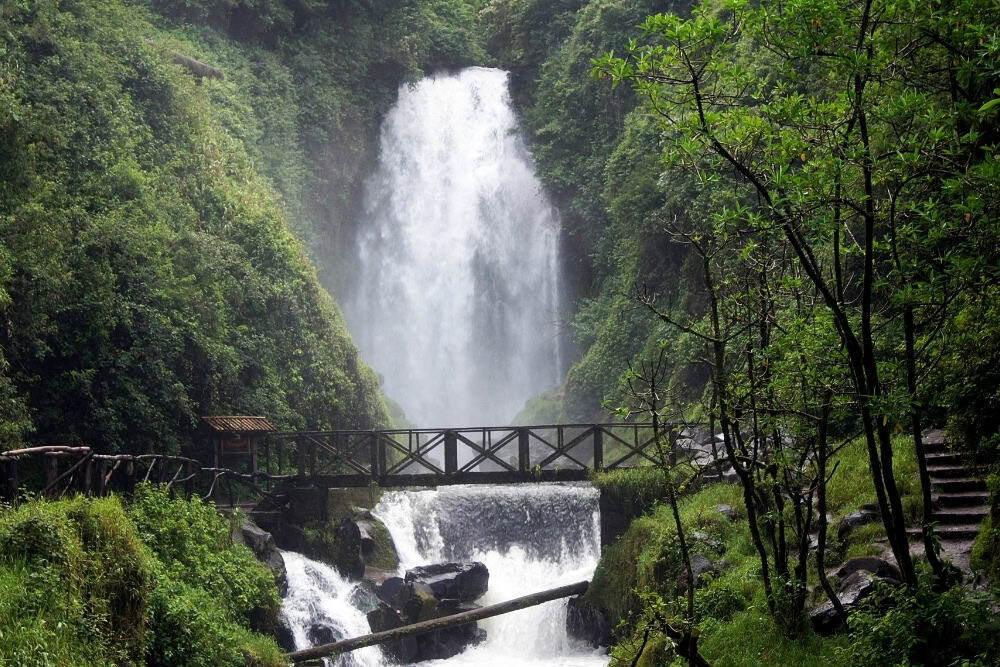
5. Follow the Trail to Peguche Waterfall
Peguche Waterfall is about a 30 to 45 minute walk from the northern edge of Otavalo, or a short taxi ride. Entry is free, and a small tip at the gate is welcome. A trail through eucalyptus forest leads to the falls, which drop about 20 m, and with a guide you can follow a path beside them to a small cave.
For the Kichwa communities of Peguche this is a ceremonial site. According to the Imbabura Geopark, families bathe in its waters the night before Inti Raymi to prepare for the celebrations. A small craft display near the falls shows local weaving.
6. Shop for Leather in Cotacachi
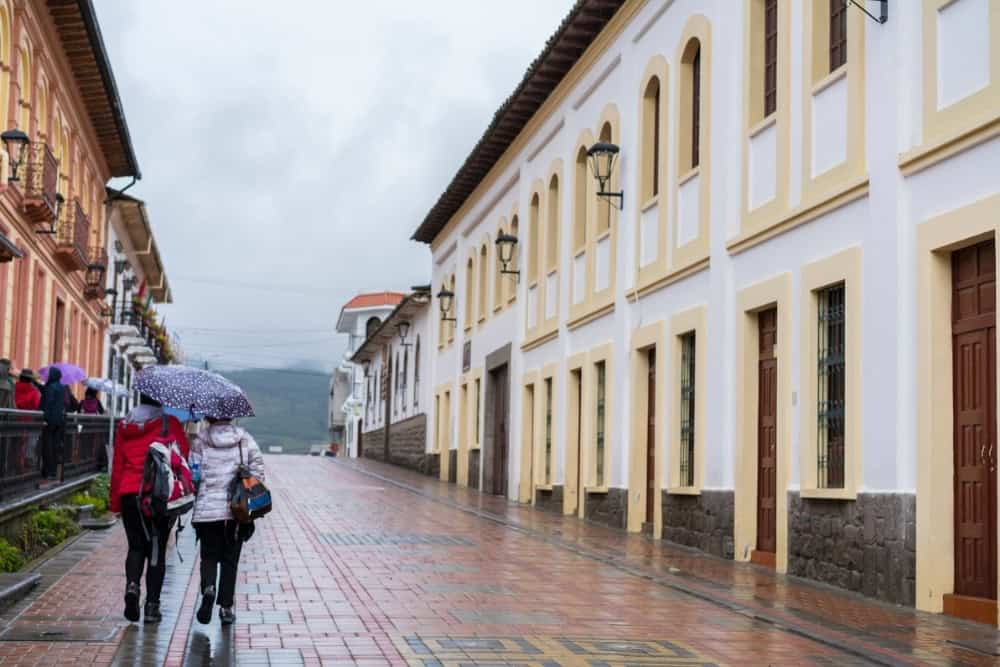
Cotacachi, about 20 minutes from Otavalo, is known across Ecuador for its leather goods. Shops along its main street sell jackets, bags, belts and boots, and many will adjust a piece while you wait. The town is quieter than Otavalo, with murals on its walls and the Museo de las Culturas, which covers the history and festivals of the local Indigenous communities. Cotacachi is also the gateway to Cuicocha.
7. Visit the Otavalango Living Museum
Otavalango occupies the former San Pedro textile factory, where Indigenous workers once labored in harsh conditions. When the factory closed, local families bought the site and turned it into a living museum and community space. Today you can see weaving and craft demonstrations, learn about Otavalo’s history from Kichwa guides and, on request, take part in a traditional cleansing ritual.
8. Paddle or Walk Around San Pablo Lake
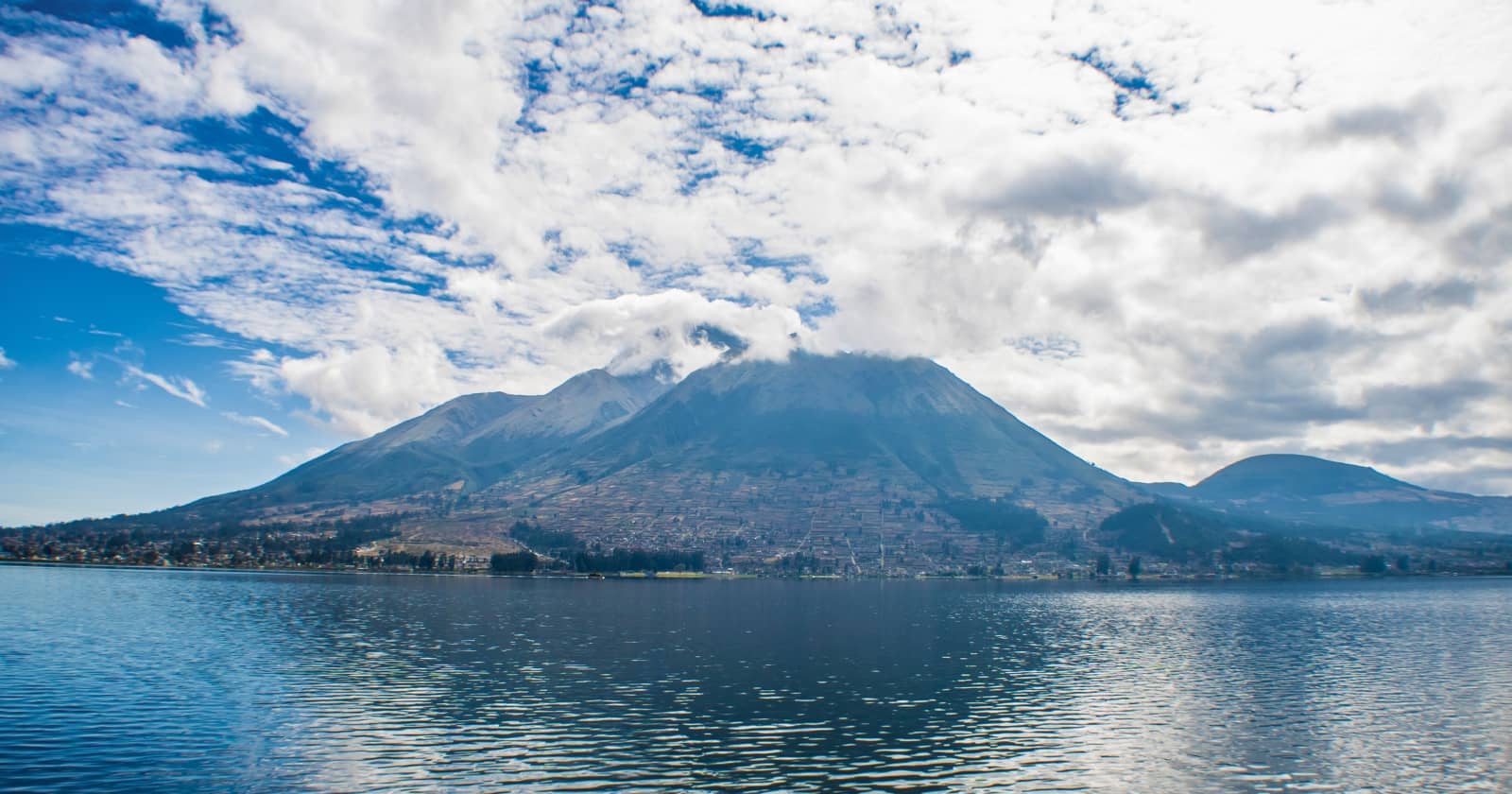
San Pablo Lake, Imbakucha in Kichwa, lies about ten minutes southeast of Otavalo at the foot of Imbabura volcano, at roughly 2,660 m (8,730 ft). Mornings bring the calmest water for kayaking and paddleboarding, and the lakeshore paths pass reed beds, farms and Kichwa villages. In September, the lake hosts a swim crossing during the Yamor festival. Read our guide to San Pablo Lake for paddling, birding and walks.
9. Sit Awhile in Simón Bolívar Park
Simón Bolívar Park, Otavalo’s main square, is the place to watch daily life between market visits. On one side stands the Church of San Luis, first built between 1676 and 1679. The 1868 earthquake that devastated Ibarra destroyed it, and it was rebuilt between 1880 and 1890. Take a bench in the shade and watch the town go about its day.
10. Relax at Mojanda Lagoon
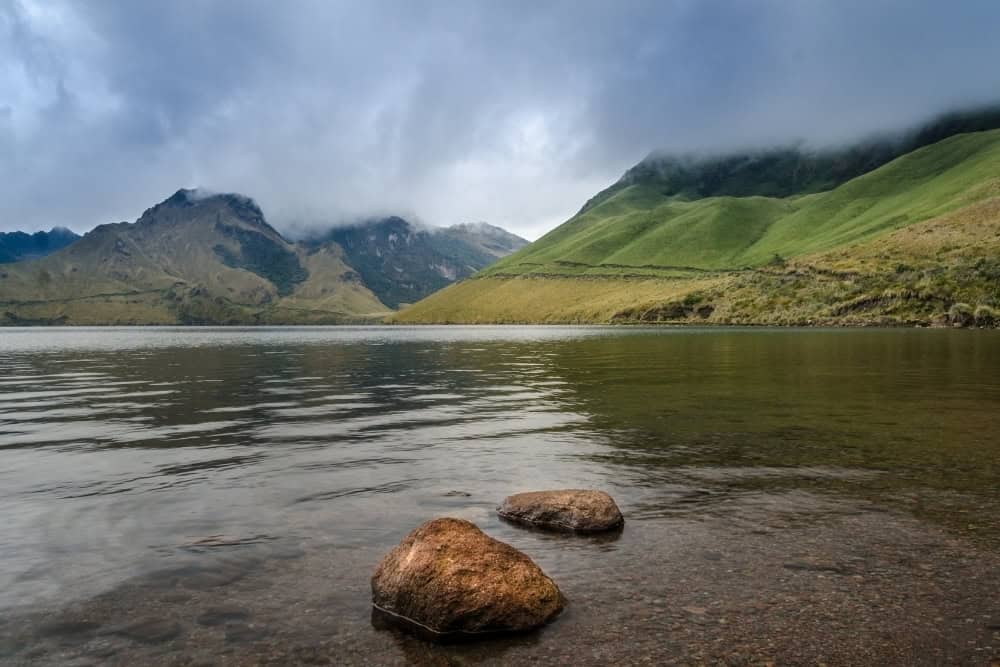
South of Otavalo, the Mojanda road climbs into the páramo to three lakes: Karikucha, Yanakucha and Warmikucha. Fuya Fuya peak, at 4,263 m, rises above them and offers one of the best viewpoints in the northern Andes. Take the road that starts in town rather than the longer route GPS apps sometimes suggest, and hike with a guide, as weather changes fast at this altitude. There is parking and a few stalls with drinks and snacks.
11. Time Your Visit for Inti Raymi or Yamor
Inti Raymi, the Kichwa celebration of the sun and the harvest, fills Otavalo and the nearby villages with music and dancing around the June solstice. In the first half of September, the Yamor festival celebrates the corn harvest with parades, concerts and yamor, a corn drink brewed for the occasion. Both festivals draw visitors from across Ecuador, so book your stay early.
12. Watch Weavers at Work in the Villages
Many of the textiles you see at the market come from the villages around town. In Peguche and Agato, weaving families still work on wooden looms and show visitors how wool is spun, dyed and woven. Buying in the workshop means your money goes straight to the family who made the piece.
Ready to See Otavalo with a Local Guide?
Tell us your dates and pace, and our team in Quito will arrange your driver, guide and visits, from the Saturday market to a night with a Kichwa family.
Market Guide: Saturday Stalls, Animal Market and Fair Buying
Plaza de los Ponchos, the heart of the Otavalo market in Ecuador, was designed in 1970 by Dutch architect Tonny Zwollo, whose concrete umbrellas still shade the stalls.
Best Day and Time to Go
Saturday is the main market day, when stalls cover much of the center. Arrive by 8 a.m. to walk the aisles before day-trip groups from Quito arrive around mid-morning. Wednesday is busy but calmer, and smaller stalls trade every day of the week.
The Early Saturday Animal Market
On Saturday mornings, from roughly 5 a.m. to 10 a.m., families from the surrounding communities trade cattle, pigs, sheep and guinea pigs on the edge of town. Go early, wear closed shoes and ask before photographing people.
What to Buy
Look for alpaca and sheep’s wool ponchos and scarves, woven tapestries, embroidered blouses, tagua jewelry carved from the seed of a rainforest palm, and Andean instruments such as panpipes. Some goods are factory-made and resold, so ask where a piece was made and by whom.
How to Bargain Respectfully
Bargaining is part of the market, but keep it friendly. Ask the price, offer a little less and settle with a smile. A few dollars mean far more to a weaving family than to your trip, and paying fairly keeps the craft alive.
Kichwa Culture: Weaving, Music and Daily Life
Who Are the Otavaleños?
The Otavaleños are a Kichwa people known across the Americas and Europe for their textiles and Andean music. Many families travel abroad to sell and perform, then return home for the festivals. Women’s white embroidered blouses and gold bead necklaces, and men’s long braids, are everyday dress, not costume.
Stay with a Kichwa Family
The best way to understand daily life here is to share it. In La Calera, a Kichwa community near Cotacachi, families run embroidery, tagua and weaving workshops and host travelers overnight in their homes. Our Otavalo tour with a Kichwa homestay includes paddling on San Pablo Lake, an afternoon in the workshops and a night with a host family, with your stay paid directly to the families.
Where to Stay: Historic Haciendas and Community Homestays
The valleys around Otavalo hold some of Ecuador’s oldest haciendas, now run as country inns with fireplaces, gardens, horses and home-grown food. These are the ones we use on our itineraries:
Hacienda Zuleta: a family-run, seventeenth-century estate known for its horses, cheese dairy and Andean condor project. Two nights here open our luxury Ecuador tour with haciendas and a Galápagos cruise.
Hacienda Cusín: a historic hacienda near San Pablo Lake, with gardens and stone courtyards, and our base for two nights on the Quito and Andes immersion tour.
Hacienda Pimán: a quiet country estate in the valleys 30 minutes north-northeast of Otavalo, where travelers on our 14-day Andes, Amazon and coast itinerary stay after a night in La Calera.
La Calera homestay: a private room in a Kichwa family’s home, with dinner and breakfast cooked by your hosts.
How Many Days You Need
One Day from Quito
Leave Quito early, walk the market, then add Peguche Waterfall or Parque Cóndor before driving back. It is a full day, with about four hours on the road.
Two Days with a Night in the Highlands
Two days let you add Cuicocha, a weaving workshop and a night at a hacienda or with a Kichwa family. Three days give you time for Mojanda or a slow morning on San Pablo Lake. Browse our Andes highlands tours to fit Otavalo into a longer route.
Pair the Highlands with the Amazon or the Galápagos
Most travelers see Otavalo as part of a longer Ecuador trip, often at the start, while they adjust to the altitude. These itineraries include Otavalo, from a two-day homestay to a regenerative journey that ends on Isabela Island in the Galápagos.
 2 Days
 Ecuador


What to Do Around Otavalo: FAQs
What is the altitude of Otavalo, Ecuador?
Otavalo sits at 2,532 meters (8,307 feet) above sea level, slightly lower than Quito. Most travelers arriving from Quito are already used to the altitude, but drink water and take hikes around Cuicocha or Mojanda at an easy pace.
What day is the Otavalo market?
The Otavalo market runs every day at Plaza de los Ponchos. Saturday is the main market day, when stalls fill the surrounding streets, and Wednesday is the second busiest. The animal market trades early on Saturday mornings.
How far is Otavalo from Quito?
Otavalo is about two hours north of Quito by road on the Pan-American Highway. You can visit on a day trip or stay one or two nights to see the lakes, waterfalls and weaving villages.
Can you bargain at the Otavalo market?
Yes, friendly bargaining is expected at most textile and craft stalls. Ask the price, offer a little less and settle with a smile. Paying fairly supports the Kichwa families who weave and sell the pieces.
What activities are available at San Pablo Lake?
San Pablo Lake lies at the foot of Imbabura volcano, about ten minutes from Otavalo. You can paddle on the lake, walk or cycle the lakeshore paths and visit the Kichwa villages along its banks.
What is Cuicocha Lake, and what can I do there?
Cuicocha is a crater lake about 30 minutes from Otavalo, inside the Cotacachi-Cayapas Ecological Reserve. Hike the rim trail, about 14 km and five hours, or take a short boat ride around its two forested islands.
What is the weather like in Otavalo?
Otavalo has mild days and cool nights all year because of its altitude. Pack layers, a warm jacket for the evening and a rain jacket, especially for afternoon showers. Bring sunscreen, as the Andean sun is strong.
Is Otavalo safe for travelers?
Otavalo is generally safe for travelers. The Saturday market gets crowded, so keep your bag in front of you and your phone out of back pockets. Use registered taxis at night and for the trip up to Parque Cóndor.
What are the main attractions in and around Otavalo?
The main attractions are the market at Plaza de los Ponchos, Peguche Waterfall, Parque Cóndor, Cuicocha crater lake, San Pablo Lake, the Mojanda lakes, the leather town of Cotacachi and the weaving workshops in nearby villages.
Plan Your Ecuador Highlands Trip
Tell us how you would like to experience Otavalo and the northern Andes, and a destination expert in Quito will suggest the right pace, places and stays for you.
Related Posts


