+593 99 128 3079
 Toll free: +1 866 987 0876


The Complete Galápagos Travel Guide: Isabela Island
From active volcanoes and giant tortoises to penguins, sea turtles, and lava-carved coastlines, the Galápagos’ largest island is also its wildest
Isabela Island is the largest island in the Galápagos and the archipelago’s wildest inhabited destination. Home to six volcanoes, vast lava fields, white-sand beaches, and abundant wildlife, it offers a more remote and adventurous experience than the other populated islands. Marine iguanas, giant tortoises, Galápagos penguins, flamingos, and sea turtles can all be found here, often just minutes from the island’s only town, Puerto Villamil.
Despite its size, Isabela remains remarkably undeveloped. Puerto Villamil is a laid-back coastal town with sandy streets, beachfront restaurants serving tasty Ecuadorian cuisine, and easy access to the island’s top attractions. Whether you’re planning a day trip or a longer island-hopping adventure, this guide covers everything you need to know about visiting Isabela Island, including transportation, activities, wildlife, and practical tips. And if you’re interested in a luxury Galápagos trip to Isabela, we can arrange that too.
Table of Contents

Isabela Island Galápagos: Fast Facts
Isabela is the largest Galápagos island, shaped like a seahorse and home to six volcanoes. It sits in the western archipelago, about 621 miles (1,000 km) off mainland Ecuador, and is home to more wild giant tortoises than anywhere else on Earth (estimated between 12,000 and 15,000 individuals).
- Location: Isabela is situated in the western part of the Galápagos, about 620 miles (1,000 km) off the coast of mainland Ecuador. Its volcanic terrain and unique flora and fauna were formed by the confluence of three tectonic plates.
- Size: As the largest island in the Galapagos, Isabela spans 1,770 square miles (4,588 sq km), encompassing diverse ecosystems of volcanic landscapes, lush highlands, and unspoiled beaches.
- Population: Isabela Island is home to approximately 2,000 residents, making it the second-smallest population among the islands. Floreana is number one, with a mere 160 or so residents.
- Main Town: Puerto Villamil serves as Isabela’s main town, a charming coastal village with epic ocean views and a relaxed atmosphere.
- Economy: Isabela’s economy thrives on tourism and fishing, attracting visitors worldwide due to its awe-inspiring landscapes and abundant wildlife. Sustainable fishing supports the local community.
- Conservation: Much like the rest of the archipelago, Isabela Island showcases exemplary conservation efforts. Collaborative initiatives between organizations and the local community protect its unique biodiversity and fragile ecosystems. Measures include invasive species control and sustainable tourism practices.
- Wildlife: Encounter iconic Galápagos species like giant tortoises, marine iguanas, flightless cormorants, and Galápagos penguins, as well as diverse marine species found nowhere else on Earth.
- Natural Wonders: From the majestic Sierra Negra volcano, with its breathtaking panoramas and expansive lava fields at Volcán Chico, to the enchanting Los Túneles, whose collapsed lava tubes make ideal snorkeling spots, Isabela is filled with wonders. Don’t miss the wide and inviting beaches of Puerto Villamil, located near the Tortoise Breeding Center, which are a perfect place to relax after a long day exploring.
- Getting Around: Exploring Puerto Villamil is primarily done on foot or by bicycle, given the town’s small size. Taxis are available for longer distances, while guided tours and small boat rentals allow visitors to experience the island’s natural wonders. (Insider tip: rent a bicycle on day one of your trip. You’ll cover more ground than you think—Wall of Tears, the wetlands, and Concha Perla are all reachable in a single morning, and you’ll avoid the heat by being back in town by lunch).
Want to eliminate the stress of planning a Galápagos adventure on your own? Explore our Galápagos island-hopping tours that include Isabela.
Isabela Island Galápagos: Getting There
To reach Isabela Island, you have two options. Choose a swift inter-island flight from Baltra Airport to Isabela’s airport in Puerto Villamil, or, upon arriving at Baltra Island, embark on a short ferry ride across the Itabaca Channel to Santa Cruz Island. From there, you can continue the journey with a scenic two-hour speedboat ride through the Galápagos marine reserve, which connects Puerto Ayora on Santa Cruz to Puerto Villamil on Isabela.
Insider tip: Those who opt for the boat should take a seasickness tablet beforehand, as the ocean can get bumpy at times, particularly from June to December.
Isabela Island Galápagos: The Volcanoes
Isabela was formed by six shield volcanoes that grew and eventually merged: Alcedo, Cerro Azul, Darwin, Ecuador, Sierra Negra, and Wolf. Five remain active, making Isabela one of the most volcanically active places on Earth. Wolf Volcano is the highest point in the Galápagos at 5,600 feet (1,707 m), but there are other volcanic highlights on Isabela: lava flows running into the sea, the vast Sierra Negra caldera, and flamingo lagoons fed by brackish water trapped behind the dunes.
This volcanic activity is exactly why Isabela’s wildlife is so distinct. The island’s six volcanoes were isolated from one another by lava fields for so long that giant tortoises evolved into separate subspecies on different slopes. It’s possible to see all five native species on a visit to Isabela.
Isabela Island Galápagos: Things to Do
There’s no shortage of things to do on Isabela Island, from snorkeling around submerged lava tunnels to hiking up volcanoes. During your trip, you’ll have the opportunity to engage in plenty such self-guided activities. To ensure you make the most of your visit, Rebecca Adventure Travel has listed the top points of interest on Isabela Island below.
NOTE: Refer to the map at the end of the Isabela Island Guide to locate all the sites.
Sierra Negra Volcano
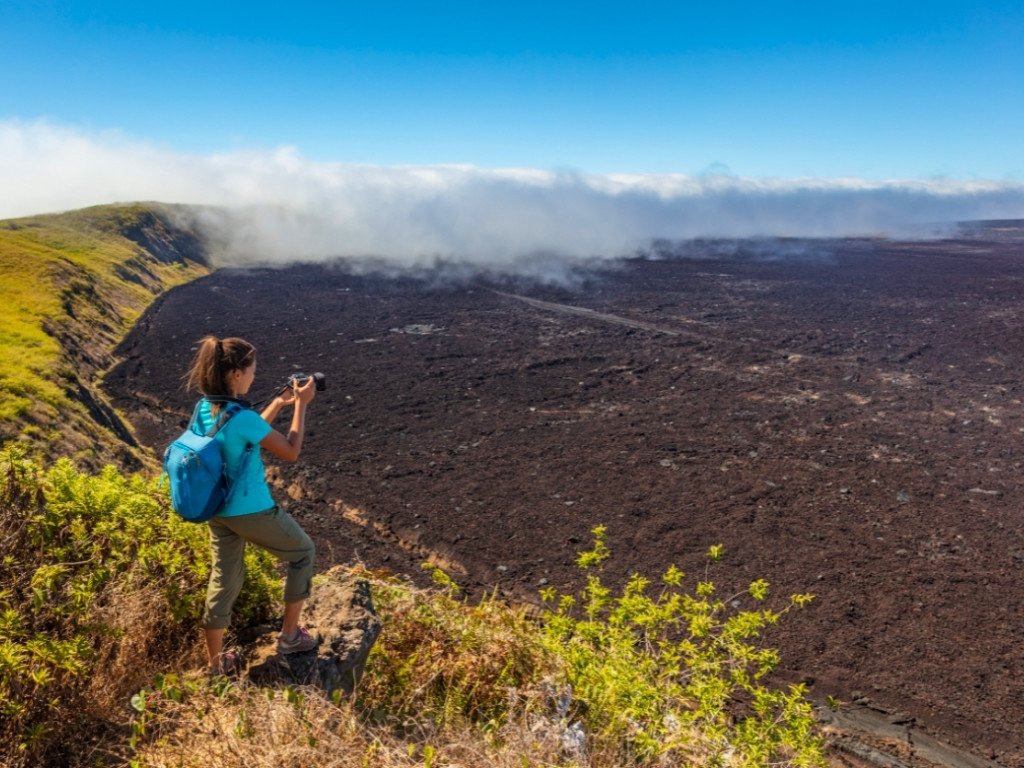
Sierra Negra has the second-largest volcanic caldera in the world, measuring roughly 6.2 miles (10 km) long and 4.3 miles (7 km) wide. The full hiking experience covers about 10 miles (16 km) round trip, taking you along the crater rim and onward to Volcán Chico’s lunar-like lava fields.
The Wall of Tears
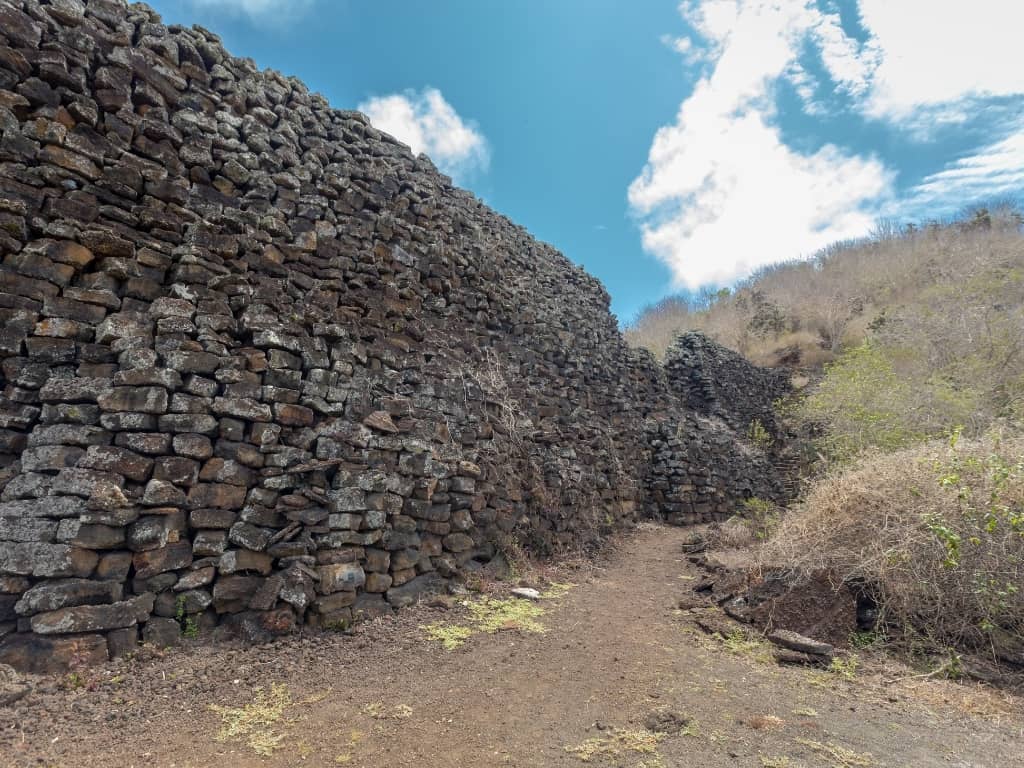
The Wall of Tears is a 330-foot (100 m) stone wall located 3.7 miles (6 km) west of Puerto Villamil. Built by prisoners of the former penal colony between 1945 and 1959, it stands as one of the Galápagos’ most significant historical sites. The wall can be reached by bicycle or on foot via a scenic coastal trail. Fun fact: according to local legend, if you stand near the wall at dusk you can hear echoes of the wailing prisoners who perished there.
Flamingo Lagoon
Located on the edge of Puerto Villamil, Flamingo Lagoon is one of the best places on Isabela to see Galápagos flamingos in the wild. The shallow lagoon also attracts other waterbirds and shorebirds, making it a popular spot for wildlife viewing, particularly during the early morning hours.

The Malecón & Isabela Beach
Stretching for 1.6 miles (2.5 km) along the waterfront of Puerto Villamil, Isabela Beach is one of the longest and most beautiful beaches in the Galápagos. The white-sand shoreline is ideal for swimming, beach walks, and sunset views, while the nearby malecón is lined with restaurants, bars, and small shops.
Concha Perla
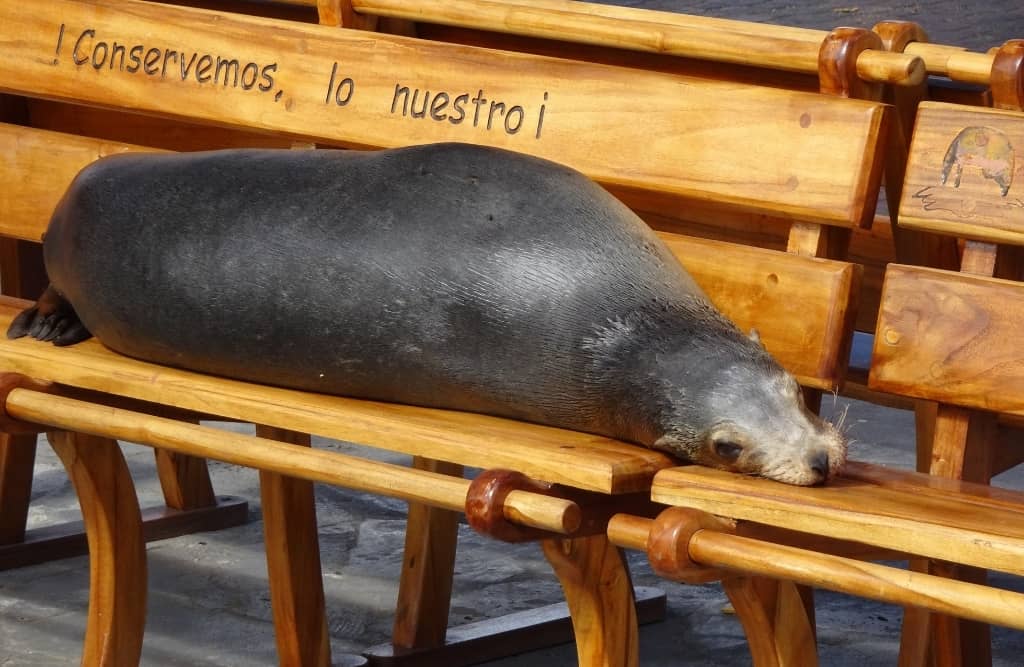
Located about 1.2 miles (2 km) north of Puerto Villamil, Concha Perla is one of Isabela’s best snorkeling spots. A wooden boardwalk through the mangroves leads to a calm, shallow bay where visitors can often spot sea lions, tropical fish, sea turtles, rays, and occasionally Galápagos penguins.
Las Tintoreras
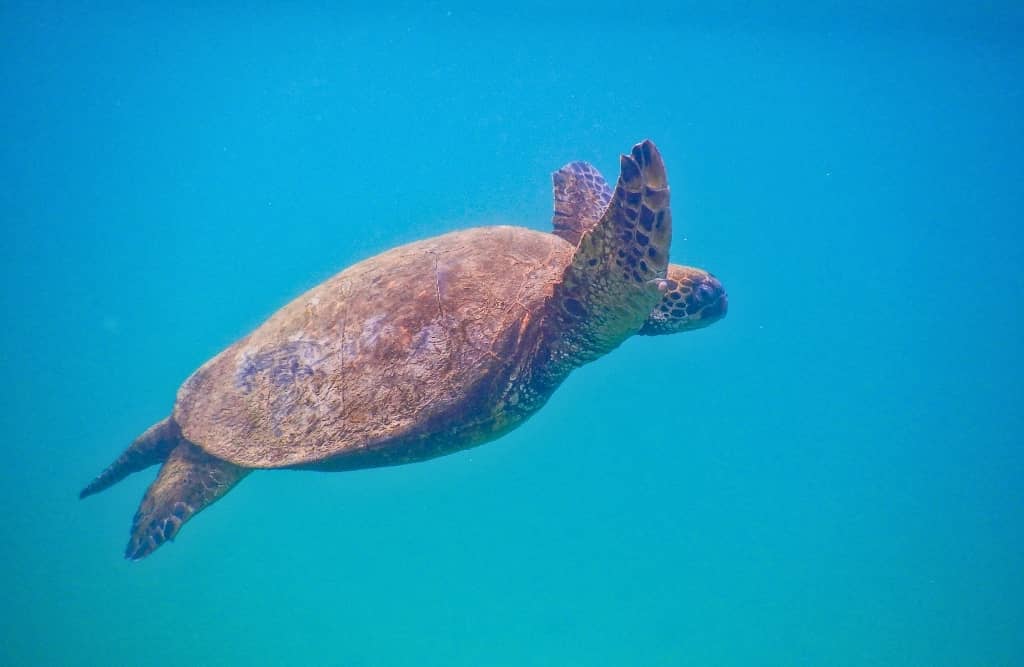
Las Tintoreras is a small islet just off the coast of Puerto Villamil that can only be visited on a guided tour. Known for its lava channels where harmless white-tip reef sharks rest during the day, the site is also home to marine iguanas, sea lions, penguins, and a variety of tropical fish. Most tours combine a short nature walk with snorkeling opportunities in the surrounding waters.

Los Túneles
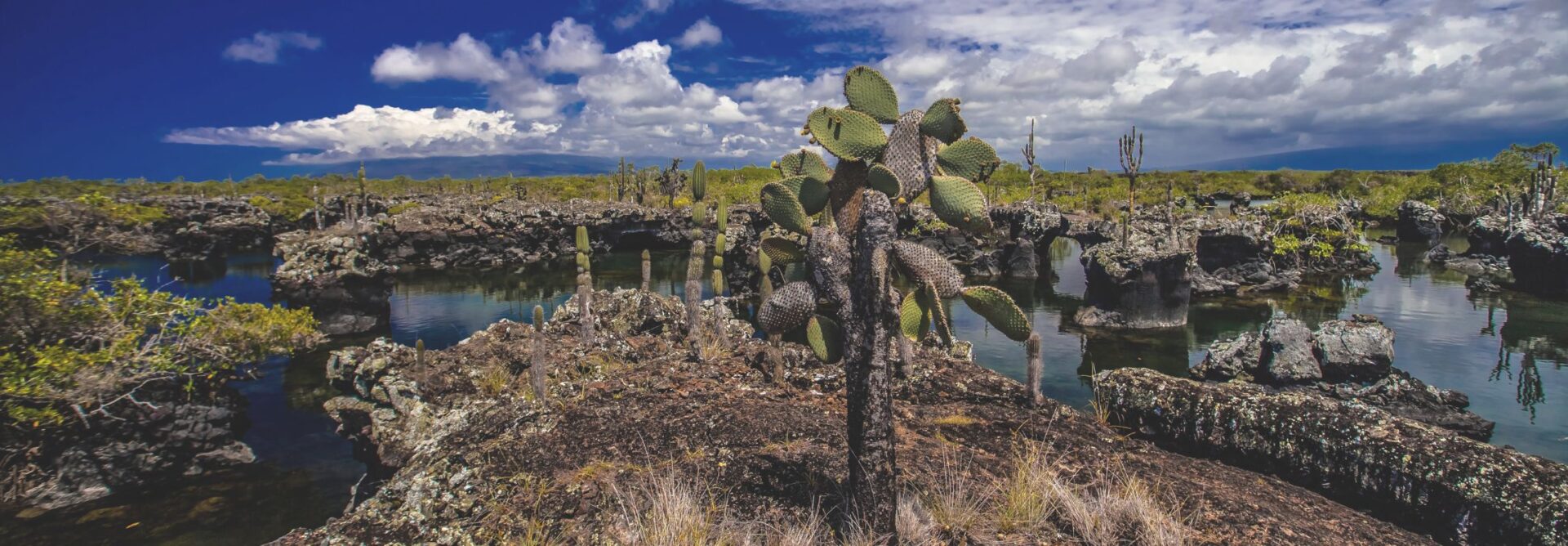
Los Túneles is one of Isabela’s premier snorkeling destinations, known for its crystal-clear water, lava arches, and abundant marine life. Visitors regularly encounter sea turtles, sea lions, eagle rays, reef sharks, tropical fish, and lobsters, while the surrounding lava formations provide nesting sites for blue-footed boobies and other seabirds.

Minas de Azufre
Minas de Azufre (Sulfur Mines) is a hiking destination on the slopes of Sierra Negra Volcano, known for its colorful sulfur deposits and volcanic scenery. The trail passes through diverse landscapes and offers opportunities to spot native birds, like the Galápagos hawk and flycatcher, making it a popular excursion for active travelers.
Isabela’s Wetlands
Located near Puerto Villamil, Isabela’s Wetlands are a network of mangroves, lagoons, and marshes that support a wide variety of birdlife. The area is one of the best places on the island for birding, with flamingos, stilts, whimbrels, and other coastal species commonly seen along the walking trails.

Galápagos Tours Featuring Isabela Island
Most travelers experience Isabela as part of a larger Galápagos journey. These itineraries pair the island’s volcanoes and wildlife with the best of Santa Cruz, San Cristóbal, and beyond.

 8 Days
 Galapagos
Isabela Island Galápagos: Where to Eat
A highlight of any trip to Isabela is treating yourself to a delightful Galápagos meal. To assist you in your culinary adventures, Rebecca Adventure Travel has compiled this list of the top restaurants in town.
NOTE: To easily locate these recommended restaurants, please refer to the map provided at the end of the Isabela Island Guide.
Booby Trap Bar and Restaurant
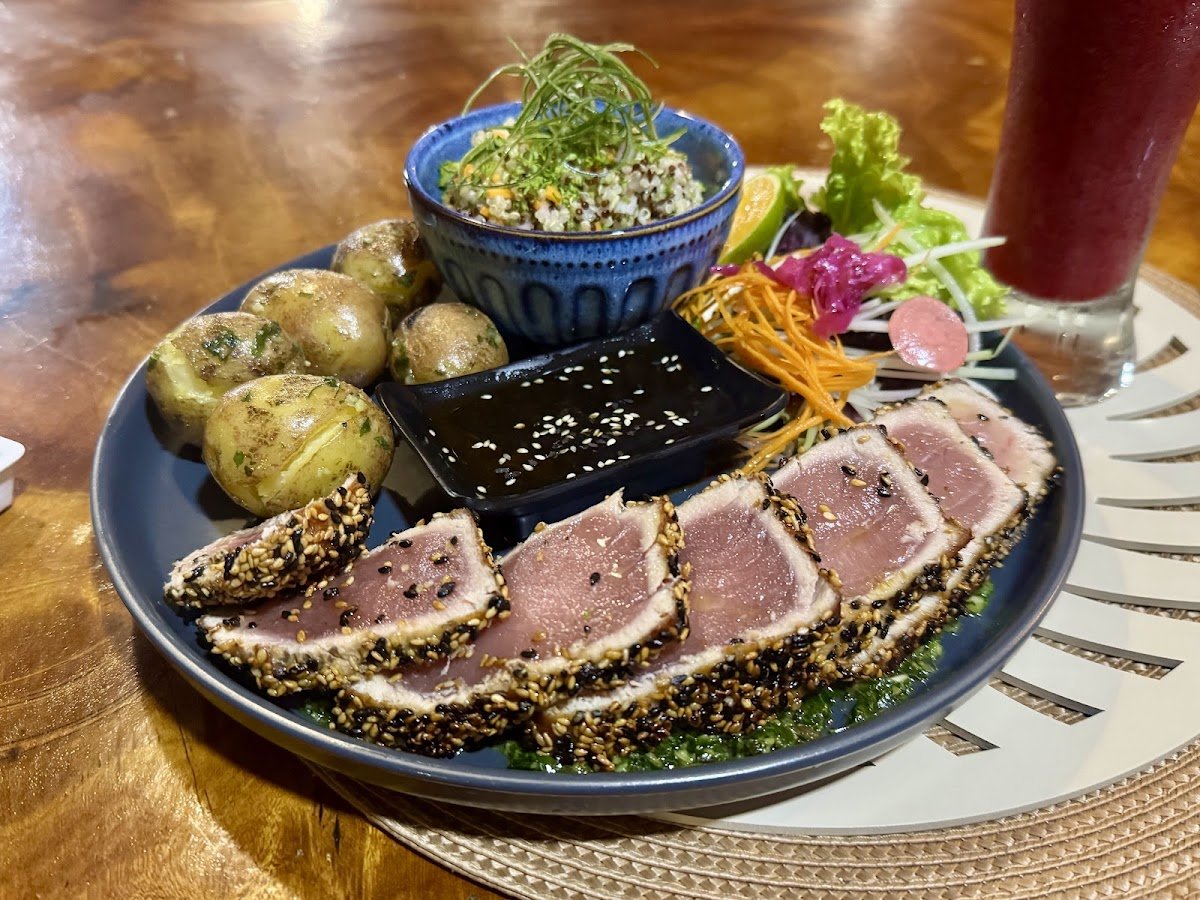
Situated across from the Casa Rosada hotel, this open-air restaurant offers a laid-back atmosphere with great views of the beach from its upstairs seating. Menu highlights include delicious burgers, burritos, BBQ chicken pizza, Cuban sandwiches, tuna tataki, and seafood rice. Be sure to enjoy your meal with a refreshing cocktail or local beer. It’s a fantastic place to relax and enjoy the sunset after a day of exploring.
La Casa de Marita
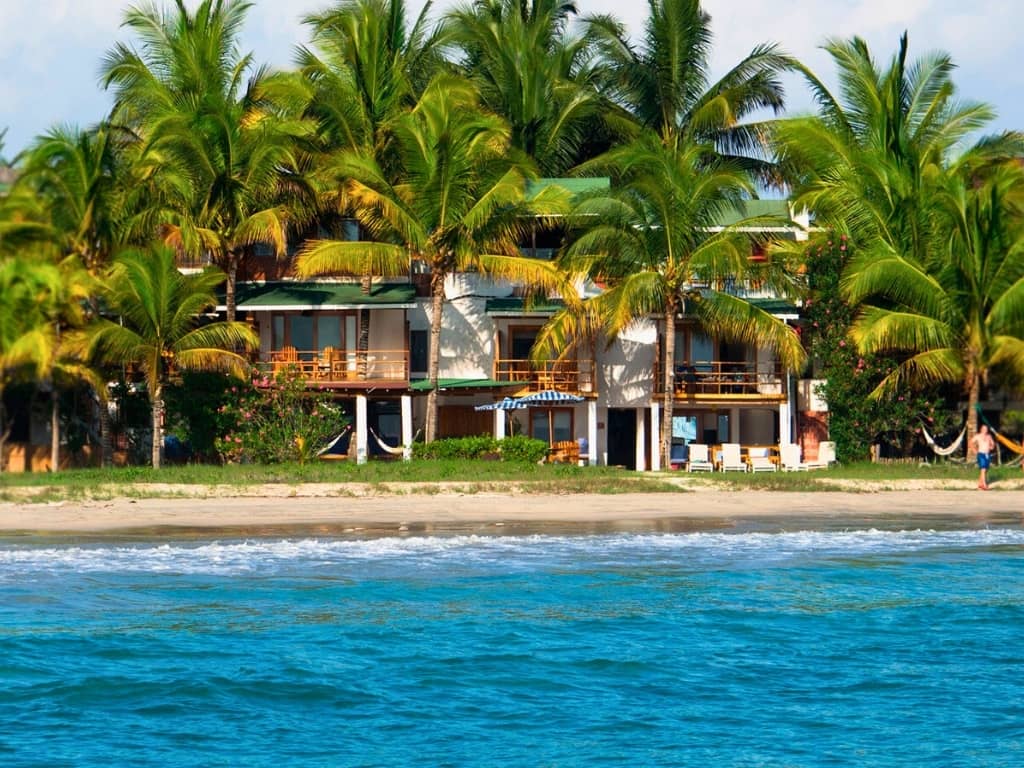
At La Casa de Marita’s restaurant, savor a delightful fusion of Ecuadorian, Peruvian, and international flavors. Each dish is meticulously prepared using organic or locally sourced ingredients from the island and the Marita Orchard. Indulge in a daily buffet breakfast and relish delicious main courses, like fresh seafood and pasta, for lunch and dinner.
El Cafetal Galápagos
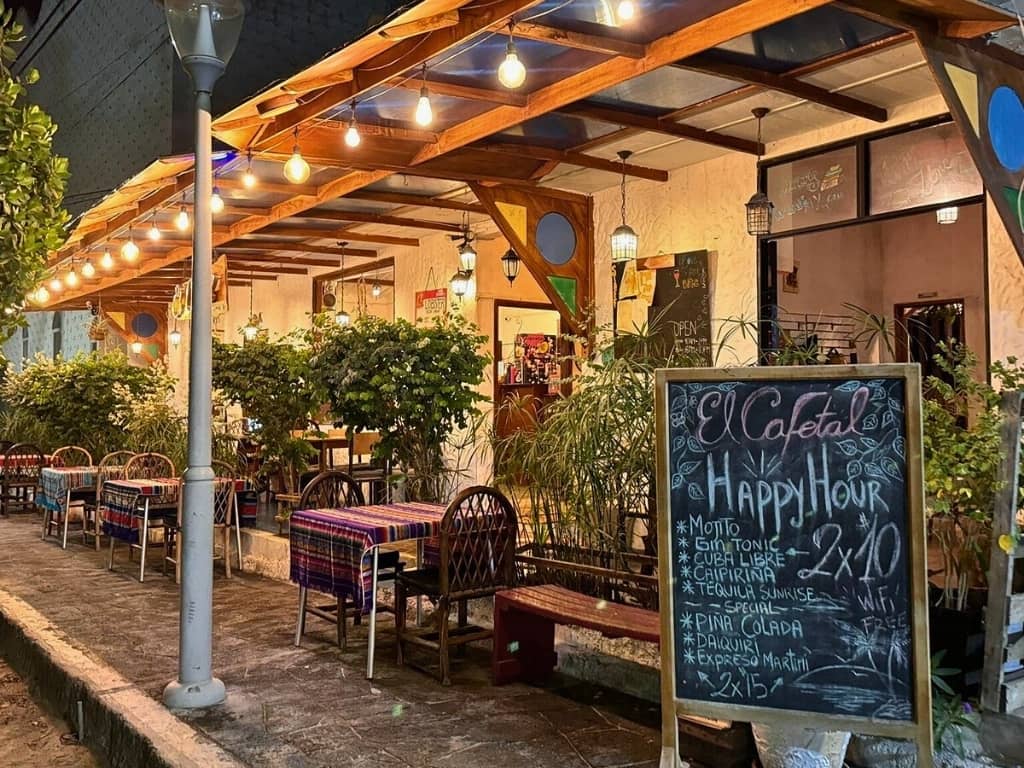
Famous for its delectable Ecuadorian cuisine and warm hospitality, this restaurant offers a diverse menu featuring rice, yuca, vegetables, and enticing main courses starring meat and fresh seafood. Vegetarian options are available, and prices in general lean towards the higher end.
Shawarma Hot
For an excellent budget-friendly option on Isabela Island, look no further than Shawarma Hot. Located just up from the Maleon in Puerto Villamil, this eatery offers an impressive selection of vegetarian and vegan dishes. The friendly service, coupled with their airy dining terrace upstairs, ensures a satisfying culinary experience.
Mangrove Restaurant
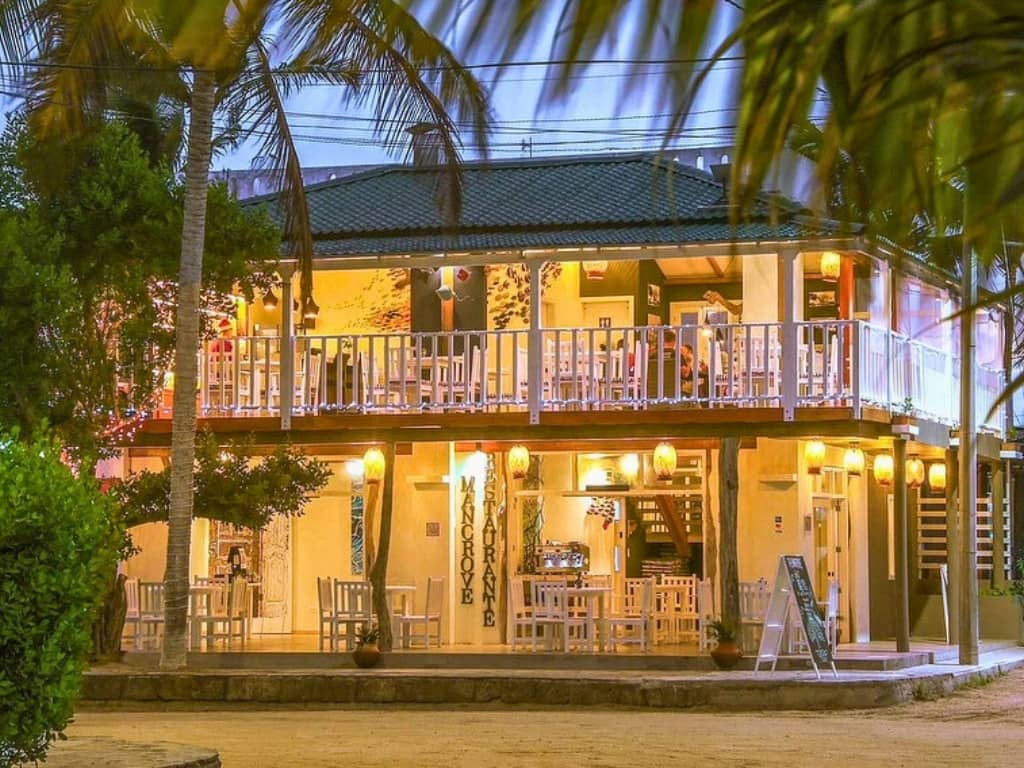
Located on the main street in Puerto Villamil in a wooden beach house, Mangrove features a lovely interior and a charmingly rustic atmosphere. The decor includes impressive artwork by a local Galapagueño artist, and the menu focuses on fresh, local cuisine. Customers love the grilled shrimp and filet tenderloin in an organic coffee sauce.
Pan y Vino
For a top-notch coffee or a casual meal, Pan y Vino is a highly recommended spot. This small, air-conditioned deli is known for serving what many consider to be the best coffee on the island. It’s a clean and inviting place to enjoy delicious breakfasts, fresh pastries, or a light lunch.
Gracias Madre
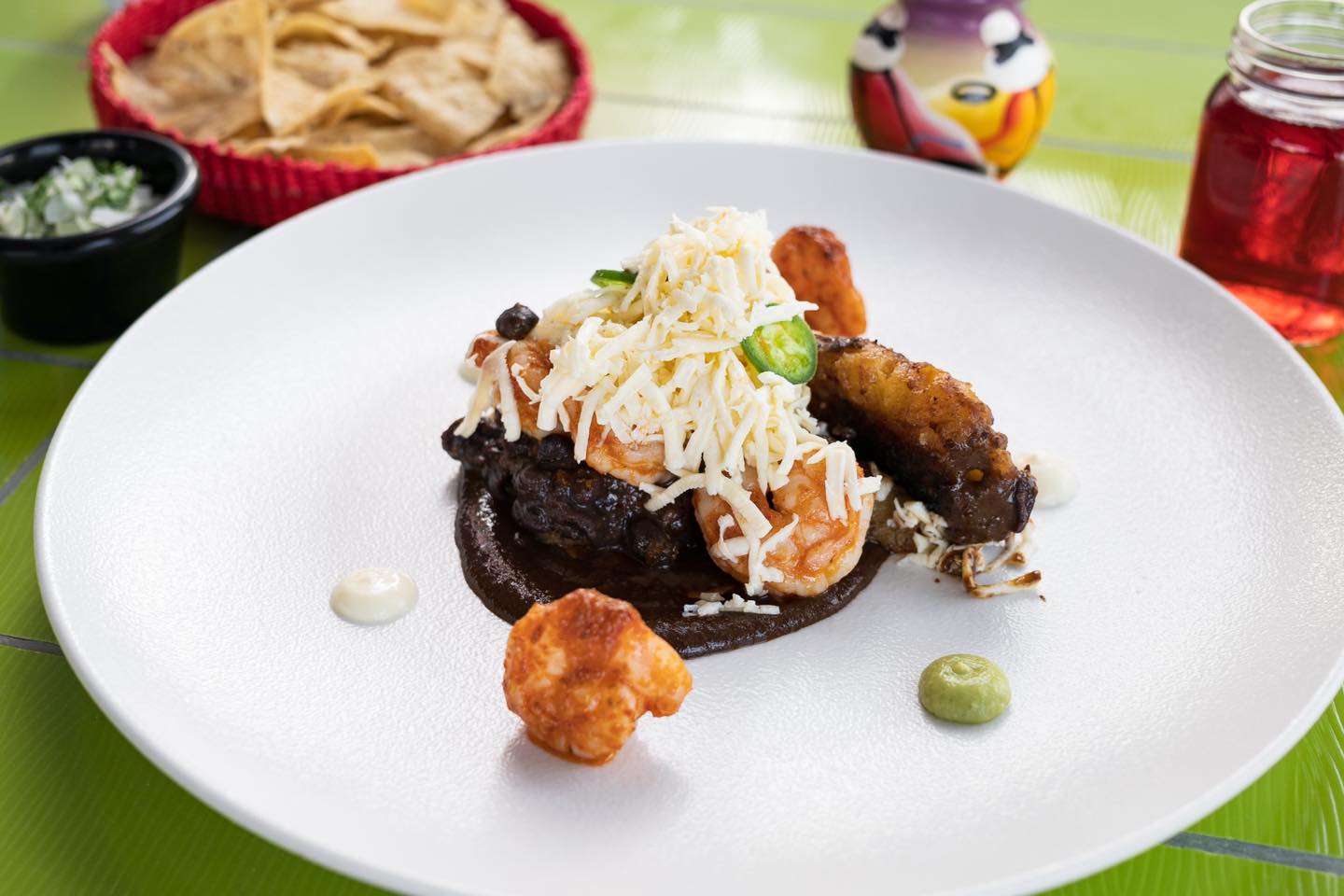
A top spot for authentic Mexican and Ecuadorian flavors, Gracias Madre focuses on local and organic ingredients. The restaurant offers classic Mexican dishes like tacos and burritos, alongside a creative cocktail menu that includes margaritas. There is also a sister restaurant on Santa Cruz Island.
Albita Grill
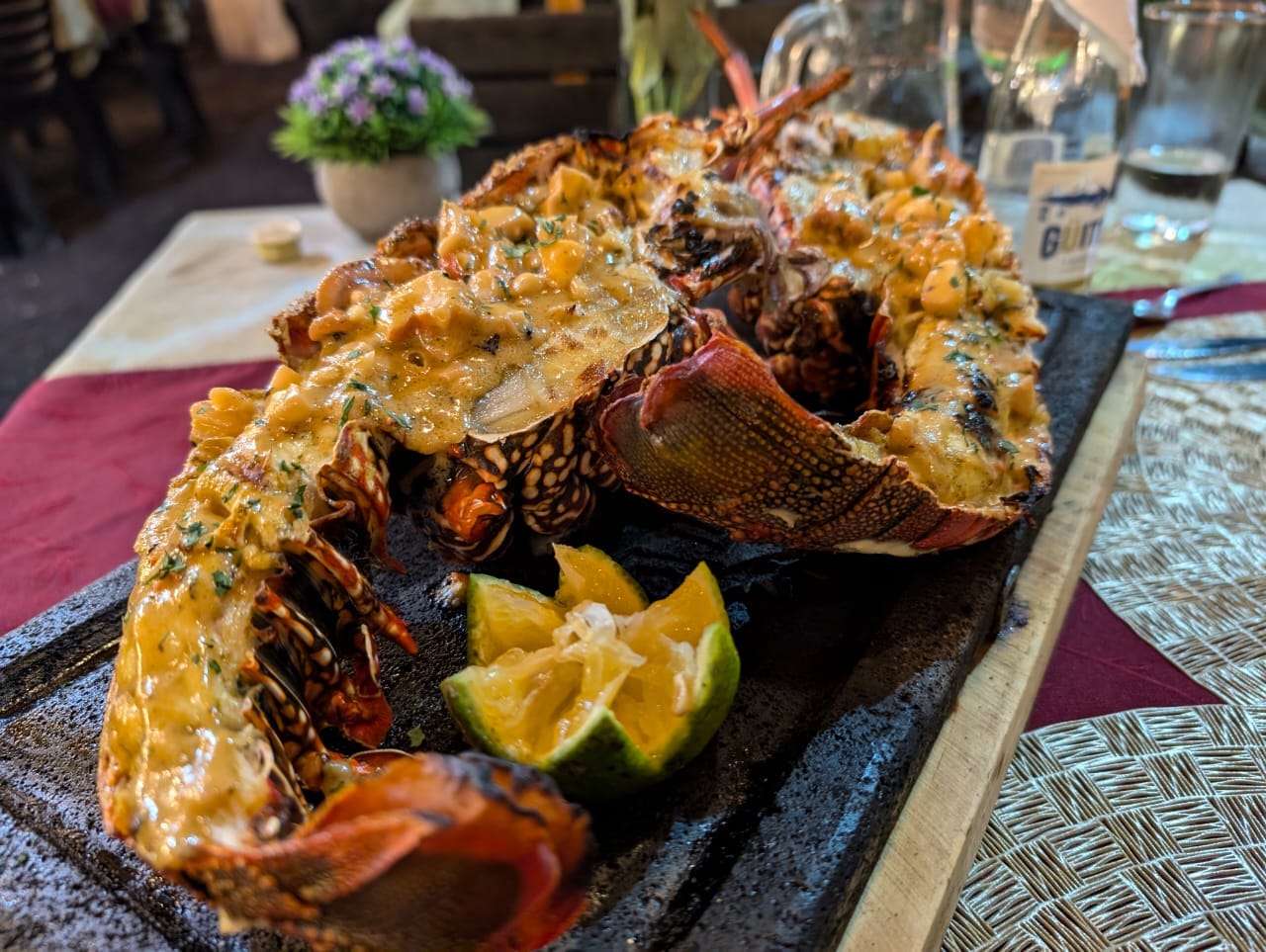
This popular restaurant is known for its generous portions of excellent seafood and welcoming atmosphere. The menu offers a variety of grilled options, including steak and fresh seafood like lobster and ceviche, as well as a great selection of vegetarian dishes. Albita Grill draws both tourists and locals with its quality and satisfying meals.
Isabela Island Map: Sites & Restaurants
Isabela Island Ecuador: FAQs
How do I get to Isabela Island Galápagos?
You can reach Isabela two ways: a 30-minute inter-island flight from Baltra, or a two-hour speedboat from Puerto Ayora on Santa Cruz. Flights cost more, but the benefit is that you avoid the rougher seas common from June to December.
What is there to do on Isabela Island Galápagos?
Plenty, and fitting it all in is the hard part. Hike Sierra Negra Volcano, snorkel Los Tuneles and Concha Perla, and visit Las Tintoreras. In town: the Wall of Tears, Flamingo Lagoon, wetlands, and Malecon Beach.
What kind of wildlife can I see on Isabela Island?
Isabela is home to giant tortoises, marine iguanas, sea turtles, rays, and Galápagos penguins. Flamingos gather at the coastal lagoon, blue-footed boobies nest in the wetlands, and the flightless cormorant can be seen on cruise-only western routes.
When is the best time to visit Isabela Island?
Isabela is a year-round destination. December to May brings warmer, calmer water ideal for snorkeling. June to November has rougher seas but peak wildlife activity, including penguins and whale sharks. Choose based on water comfort versus wildlife.
How many days should I spend on Isabela Island?
Plan for two to three days. Two covers the headline sights: Sierra Negra, Los Tuneles, and the in-town beaches. A third day adds Las Tintoreras and time to enjoy Puerto Villamil without rushing.
Ready to Plan Your Journey to Isabela?
Ready to walk the lava trails of Isabela Island Galapagos and watch penguins dart through
equatorial waters? Our team designs island-hopping routes and luxury cruises around what you most want to see, at a pace that lets the wildlife come to you.