+593 99 128 3079
 Toll free: +1 866 987 0876


The Trip to Colombia: A Foodie’s Guide to Where & What to Eat
From must-try dishes and street food to the best restaurant zones by city and region, this guide directs you precisely where to go to find the most delicious eats in Colombia.
 Rebecca Braak | Updated: June 5, 2026 | Time to read: 13 min

This blog was created together with Génesis Navarro.
Colombia is a true gem of South America, a country known for its rich culture, diverse landscapes, and, perhaps most importantly, delicious food. To that end, no self-respecting foodie can visit Colombia and not dive headfirst into its world-class culinary scene. This guide will take you through some of the must-try traditional dishes, street food staples, and top dining experiences across the country. So pack your bags and prime your taste buds for a gastronomic adventure you’ll never forget!
Table of Contents
Bogotá: The Nation’s Culinary Capital
Bogotá, Colombia’s bustling capital, is a city of contrasts where modern skyscrapers stand alongside colonial-era landmarks. Nestled in the Andes at 8,661 feet (2,640 m), Bogotá boasts a cool, fresh climate. Its gastronomic scene reflects the city’s diverse culture and is a great starting point for any foodie’s journey. The city is a melting pot of flavors from all over the country, offering everything from traditional Andean dishes like ajiaco to coastal favorites like coconut rice and fried fish, to contemporary fusion cuisine.
Also, in Bogotá, you’re never far from delectable street food and fresh fruits and juices. Make a pit stop at one of these street carts and scarf tasty arepas and crispy empanadas, washed down with a cold limonada (limeade) or mandarina (mandarin juice). Cap your meal off with a fresh fruit cocktail, and you’re well fortified to continue sightseeing.
Must Try in Bogotá: Ajiaco
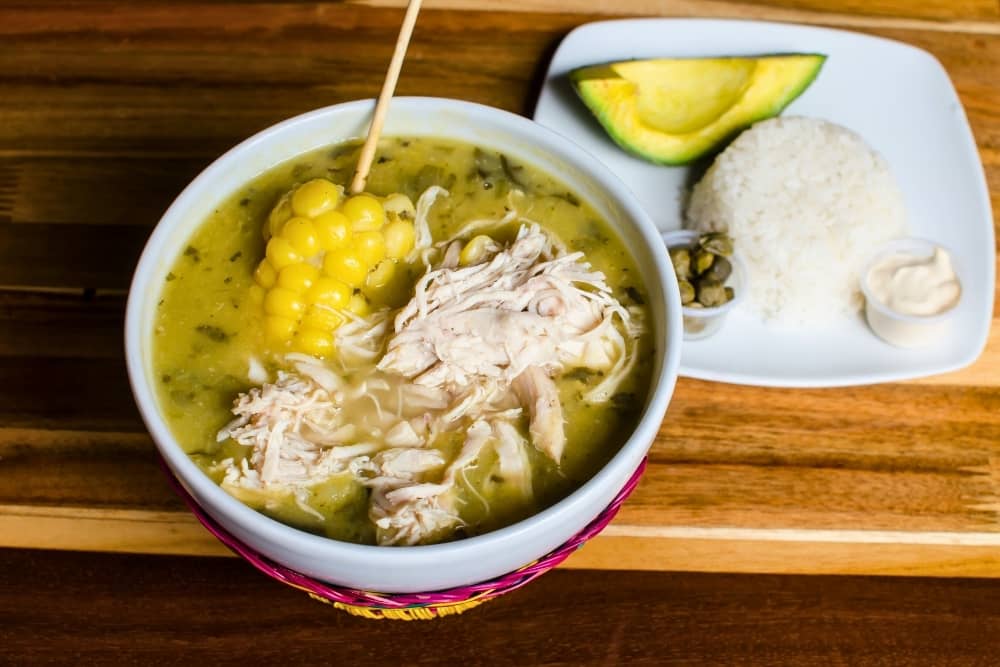
One of the signature dishes of the Colombian high Andes is ajiaco, a hearty chicken soup made with potatoes, corn, and guasca leaves. It’s often served with capers, cream, and avocado on the side. The combination of ingredients makes this one of the region’s most popular cold-weather comfort foods.
Street Food
Also, don’t miss out on Bogotá’s street food scene. Arepas, made from ground maize dough, are enjoyed everywhere. You can find them plain or stuffed with cheese, meats, or eggs. Another popular street snack is empanadas, fried pastries filled with meat, potatoes, and spices.
Bogotá’s Restaurant Zones
In Bogotá, several neighborhoods stand out as go-to restaurant districts, each with its own personality and culinary range. In Zona G (short for “Zona Gourmet”), you’ll find some of the city’s top fine-dining spots, with chef-driven Colombian cuisine alongside French, Italian, and international tasting menus. Within walking distance of Zona G is the equally snazzy Zona T, which blends upscale restaurants with a lively nightlife scene, offering everything from steakhouses and sushi bars to trendy fusion concepts.
Not far off from Zona T is Parque de la 93, another polished area popular for business lunches and evening dining, featuring modern Latin American, Mediterranean, and contemporary casual eateries. Meanwhile, La Candelaria (Bogotá’s historic center) delivers a more traditional experience, with cozy spots serving classic Colombian dishes like ajiaco and bandeja paisa alongside cafés and budget-friendly local fare.
Paloquemao Fruit Market
This is the best place to sample Colombia’s diverse food offerings in Bogotá. Located just west of downtown (Av. Calle 19 No. 25–04), Mercado Paloquemao is one of the city’s largest and most iconic food markets, with roughly 900 stalls and well over 800–2,000 vendors. Inside its sprawling indoor halls, you’ll find everything from fresh fruits and vegetables to meat, seafood, flowers, grains, and traditional Colombian street food like tamales and ajiaco.
This massive market is especially famous for its dazzling fruit aisles. Here, visitors can sample exotic varieties such as lulo (a citrusy “little orange”), granadilla (sweet passion fruit), guanábana (soursop), chontaduro (peach palm fruit), and uchuva (goldenberry). All told, it’s one of the best places in Colombia to experience the country’s extraordinary biodiversity in edible form.
Medellín: A Fusion of Flavors
Next up is Medellín, the capital of Colombia’s bucolic Antioquia region, known for its innovation and dynamic food culture. The city is famous for its lively atmosphere and rich history, which attracts visitors seeking both adventure and relaxation. Foodies rave about Medellín’s diverse gastronomy, from the formidable bandeja paisa to hearty street food and fancy restaurants in upscale neighborhoods.
Must Try in Medellín: Bandeja Paisa
The most iconic dish here is the bandeja paisa, a mountainous platter featuring rice, beans, fried plantain, chicharrón (crispy deep-fried pork belly), chorizo, avocado, and a fried egg. It’s a hearty meal that represents the essence of Colombian cuisine. Finish it all in one sitting, and you’ll be an honorary “paisa” (person from Antioquia).

Medellín’s Restaurant Zones
In Medellín, a handful of neighborhoods define the city’s dining scene, each offering a distinct mix of flavors and atmosphere. El Poblado is the epicenter, especially around Parque Lleras, where you’ll find everything from high-end Colombian fusion and steakhouses to sushi, vegan cafés, and global cuisine. Nearby, Provenza is known for its stylish, design-forward restaurants, rooftop bars, and creative tasting menus.
Laureles is slightly less touristy, offering a more local, laid-back vibe with traditional Colombian eateries, casual grills, and neighborhood cafés. A great place to go for food and nightlife in Laureles is Calle 70 (70 Street) and Primer Parque de Laureles. There’s also Envigado, a favorite for authentic regional cooking, including classic paisa dishes served in family-run restaurants.
Medellín’s Exotic Fruits
Medellín’s fruit markets, like Central Mayorista de Antioquia, offer a rotating cast of flavors that rarely appear outside the Andes. Tart lulo has a sharp, citrus-like acidity; granadilla is mild and lightly floral; guanábana leans creamy with a subtle tang. Uchuva adds a bright, sweet-sour note, while chontaduro is dense, starchy, and often paired with salt or honey. Most are served fresh, juiced, or blended into batidos (smoothies), making fruit stands as essential as any restaurant stop in Colombia.
Cartagena: Coastal Delights
In Cartagena, the kitchen follows the shoreline. Menus lean heavily on the day’s catch—snapper, mojarra, shrimp—grilled or fried and paired with patacones (smashed, fried plantains) and lime. A local staple, arepa de huevo, is split, filled with egg, and fried again until crisp, making it one of the city’s most recognizable snacks.
Also, being a coastal city, Cartagena excels at seafood. Try the ceviche, made from fresh raw fish marinated in citrus juices, typically lime or lemon, and spiced with chili peppers. It’s a refreshing dish perfect for the sultry Caribbean heat. And at the end of a meal, satisfy your sweet tooth with coconut candies like chewy cocadas and other local sweets.
Must Try in Cartagena: Coconut Rice
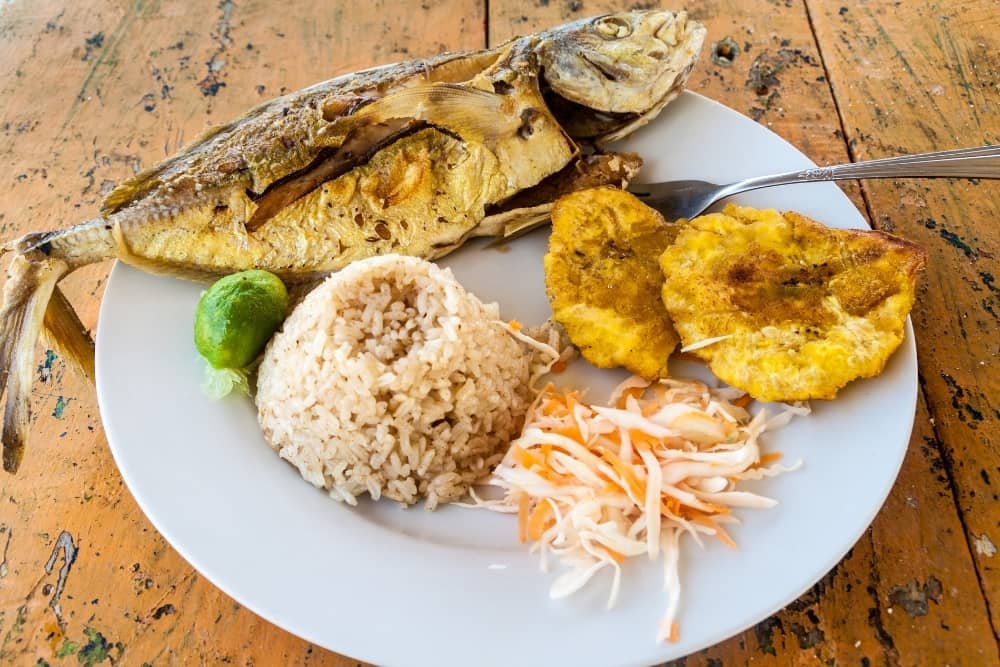
In Cartagena, sides matter just as much as the main dish. And one must-try accompaniment is arroz con coco (coconut rice). The dish’s unique flavor comes from cooking the rice in coconut milk and reducing it until lightly caramelized, giving it a subtle sweetness that balances the saltiness of fried fish.
Cartagena’s Restaurant Zones
Dining in Cartagena is concentrated in a few compact, walkable districts. The Walled City (Centro Histórico) holds many of the city’s best-known restaurants, ranging from polished Colombian-Caribbean kitchens to contemporary tasting menus and seafood-focused spots set in colonial buildings. Just outside, Getsemaní offers a more casual, creative scene with small bistros, international fusion, and lively street-side dining.
Further south, along the waterfront in Bocagrande, you’ll find upscale hotels, steakhouses, and modern international restaurants with ocean views. Nearby Castillogrande leans quieter, with a handful of refined seafood restaurants and low-key local favorites.
Cali: Salsa Nights & Pacific Flavors
Santiago de Cali (just “Cali” to locals) is known as the “salsa dance capital of Colombia” — and it also offers some unique culinary delights. Food here reflects the city’s Afro-Pacific roots and its reputation for bold, informal cooking shaped as much by street vendors as by home kitchens. Local menus lean toward fried and grilled specialties, with a balance of starches, slow-cooked meats, and bright, acidic sauces.
One signature dish is chuleta valluna—a thin, crispy pork cutlet served with rice, potatoes, and salad. Also, snacks are central to daily eating in Cali: Empanadas filled with meat and potatoes, aborrajados combining sweet plantain and melted cheese, and pandebono, a warm, chewy bread made with cassava starch. Drinks and desserts are just as distinctive, from lulada—a cold, pulpy drink made with lulo—to champús, a thick, fruit-and-corn beverage that reflects the region’s layered culinary influences.
Must Try in Cali: Sancocho de Gallina
One of the must-try traditional dishes of Cali is sancocho de gallina, a comforting chicken soup made with plantains, corn, potatoes, yuca, and cilantro. It’s a flavorful and filling dish, enjoyed best with friends and family.

Tour Colombia’s highlights in 21 days
Cali’s Restaurant Zones
In Cali, dining is spread across a few key neighborhoods that reflect the city’s mix of tradition and modern growth. Granada is the most established restaurant district, known for its concentration of upscale Colombian kitchens, international restaurants, and dessert cafés. Nearby, El Peñón offers a quieter, more design-focused scene with bistros, wine bars, and contemporary fusion spots.
Colorful San Antonio leans more local and informal, with small, funky restaurants serving traditional Valle del Cauca (Cauca Valley) dishes alongside casual cafés. For a broader, everyday snapshot of Cali’s food culture, areas like Alameda—home to the Alameda Market—bring together street food vendors, juice stalls, and long-standing eateries in a single, busy setting.
Colombia’s Coffee Region: A Cup of Tradition
No trip to Colombia is complete without time in the Zona Cafetera (Coffee Region), where cultivation is shaped by steep Andean terrain, volcanic soils, and elevations that slow bean development and concentrate flavor. Coffee produced in this part of central-western Colombia is typically balanced and aromatic, with notes that can range from citrus and red fruit to cocoa and toasted nuts, depending on the microclimate.
Here, quality is driven as much by process as by place: most farms still rely on selective hand-picking, careful washing, and controlled drying, methods supported by national standards promoted by the National Federation of Coffee Growers of Colombia. The result is a consistent, export-grade product that remains one of the country’s most recognizable agricultural outputs.
Must Try in the Zona Cafetera: Café (Coffee)
Whether enjoyed as a rich espresso or brewed in a traditional Colombian cafetera (coffee maker), every cup of Colombian café offers a sensory journey that reflects centuries of coffee-growing expertise and cultural heritage. Stay overnight at a working coffee finca (farm), and take a coffee tour to learn about the entire production process from bean to cup. You’ll get to taste freshly brewed coffee and appreciate the labor and love that goes into each brew.

Zona Cafetera’s Restaurant Zones
In Colombia’s Coffee Region, dining is centered in the region’s main cities—Armenia, Pereira, and Manizales—where restaurant clusters range from casual fondas (local taverns) to more contemporary farm-to-table spots. Menus focus on hearty, rural cooking shaped by the paisa tradition, with dishes like trucha (trout, often grilled or in garlic sauce), bandeja paisa, and sancocho served in generous portions.
In smaller towns, such as the colorful tourist draw of Salento, restaurants tend to be more informal, often specializing in local trout and simple set lunches. Additionally, coffee farms throughout the countryside offer guided tastings paired with regional specialties, linking the food directly to the landscape where it’s produced.
Amazonas: A Taste of the Jungle
In Colombia’s southern Amazonas (Amazon) region, cooking is defined by what the river and forest provide — often by techniques that predate modern kitchens. Meals usually center on freshwater fish like pirarucú, cooked over open flames or wrapped in leaves, alongside staples such as yuca and plantain.
Local markets and lodge kitchens also draw on a wide range of fruits—some tart, some starchy, many unfamiliar outside the region—used in juices, sauces, and simple desserts. The result is a cuisine shaped less by presentation than by availability, with an emphasis on freshness, seasonality, and long-standing indigenous food practices and culture.
Must Try in Amazonas: Pirarucu
A top delicacy here is the massive pirarucu. One of the largest freshwater fish in the world (it can reach up to 10 feet/3 m in length), it’s often grilled or fried and served with cassava or plantains. The fish has a mild flavor and a firm texture, making it a versatile ingredient in Amazonian cuisine. If you’re lucky, you’ll get to witness the remarkable sight of villagers hauling one of these monsters out of the water before cleaning and cooking it.
Amazonas Restaurant Zones
In Colombia’s Amazonas, dining is concentrated in and around Leticia, the region’s main hub, where small restaurant clusters and hotel kitchens serve a mix of local Amazonian and Colombian staples. Nearby Puerto Nariño offers a quieter, more traditional setting with family-run spots and eco-lodge dining.
Menus highlight river-based ingredients and indigenous influences, featuring dishes like pirarucú (often grilled or stewed), casabe, a flatbread using plantain, yuca, and tropical fruits, reflecting the region’s reliance on local sourcing and seasonal availability.
Ready to book your grand trip to Colombia? Then pack your bags and let Rebecca Adventure Travel make your South American grand tour a reality.
Frequently Asked Questions
What are the must-try traditional dishes in Colombia?
Colombia’s staples include Bandeja Paisa (a hearty platter of beans, rice, meat, and plantains), ajiaco (a Bogotá specialty), and arepas, a versatile corn cake eaten across the country.
Where can I find the best street food in Colombia?
Street food thrives in cities like Bogotá, Medellín, and Cartagena. Look for vendors selling empanadas, arepas, buñuelos, and fresh juices, especially in busy plazas, markets, and near transit hubs.
What regions in Colombia are known for great food?
The Coffee Region offers farm-to-table cuisine, the Caribbean coast is known for seafood and coconut rice, and cities like Cali highlight Afro-Colombian flavors with bold spices and fried specialties.
What exotic fruits should I try in Colombia?
Colombia is famous for fruits like lulo (citrusy), granadilla (mild and sweet), guanábana (creamy and tangy), and uchuva (sweet-tart), often found in local markets.
Are there upscale dining options in Colombia?
Yes—cities like Bogotá and Medellín have thriving fine-dining scenes, especially in districts like Zona G and El Poblado, featuring modern Colombian cuisine, international tasting menus, and innovative chef-led restaurants.
Further Reading
- Colombia Tours: Discovering the Mystical Zipaquirá Salt Cathedral
- Best Time to Travel to Colombia: Festivities & Attractions
- Tayrona National Park, Colombia: Eco-Tourism and Nature

 8 Days
 Colombia