 +593 99 128 3079
 Toll free: +1 866 987 0876


Discover Pululahua: Ecuador’s Hidden Gem for Adventure and Spiritual Connection
Escape to Pululahua, a volcanic crater in Ecuador full of adventure, culture, and spiritual energy. Hike, camp, or participate in ancient Andean rituals near Quito, perfect for families and nature lovers.
 Johanna Alvear | Updated: July 31, 2026 | Time to read: 12 min
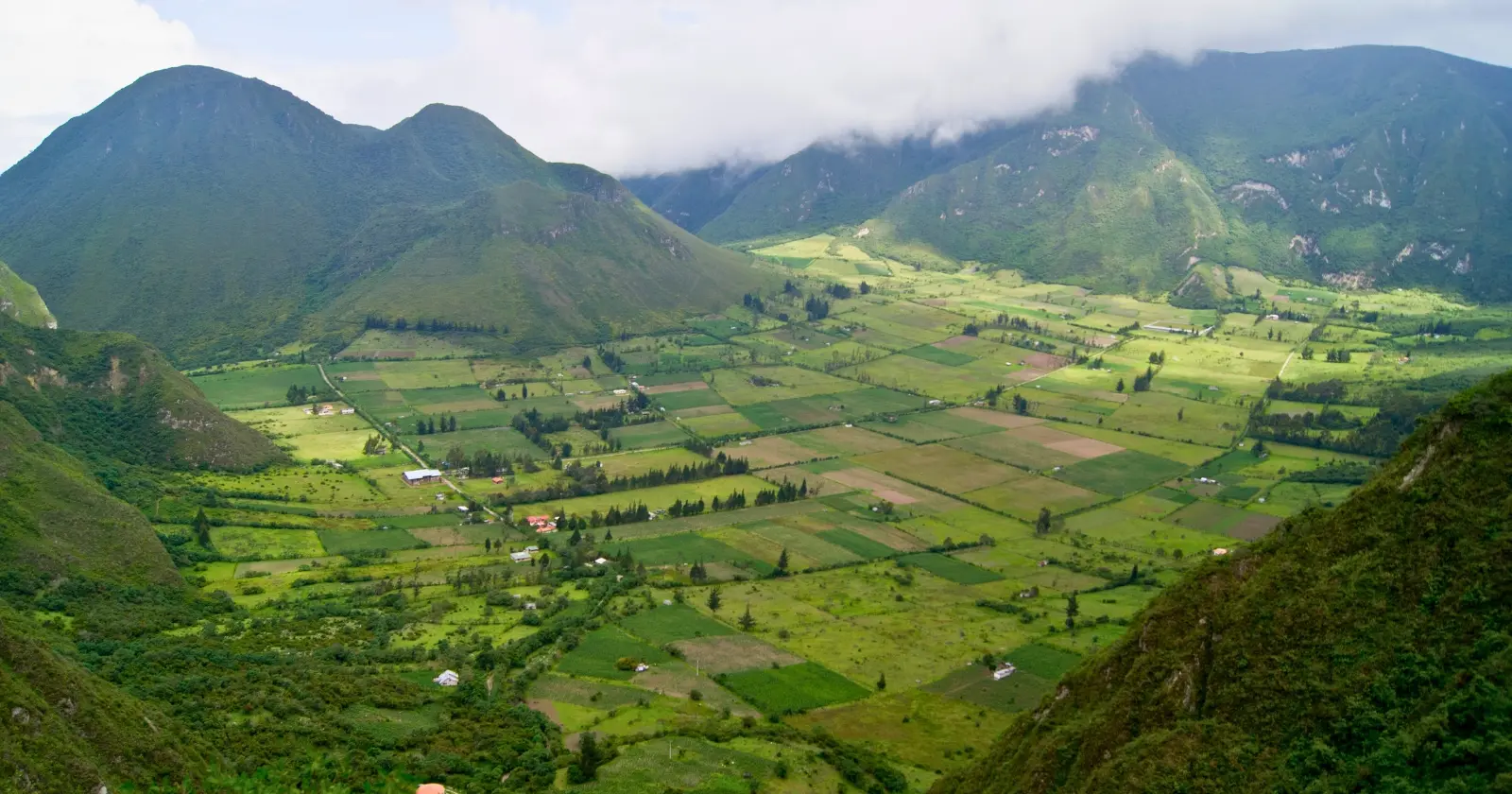
Just north of Ecuador’s capital Quito, beyond highways and busy tourist traps, lies a place most travelers pass without realizing what they are missing. Set within the Pululahua Geobotanical Reserve, a fertile volcanic basin offers something increasingly rare: a destination where adventure is accessible, spiritual traditions are alive rather than performed, and families spanning generations can explore together at their own pace. From panoramic ridgelines and forested trails to ancestral ceremonies and artistic ritual spaces, the Pululahua crater rewards curiosity with depth.
Table of Contents
Where Is Pululahua and How to Get There?
Pululahua is located approximately 20 kilometers north of Quito, within Ecuador’s Pichincha Province. The crater sits just beyond the well-known Mitad del Mundo area, yet feels worlds away once you descend toward its interior or trace the rim’s viewpoints.
The reserve is easily reached by private vehicle or guided transport, making it an ideal extension of time in Quito. Roads are paved to the main access points, and from there, secondary routes lead into the crater floor, trailheads, lodging areas, and viewpoints. Because distances are short and elevation changes are gradual, the reserve is notably accessible for multi-generational travelers, including grandparents and young children.
This is not a destination defined by a single attraction. Instead, Pululahua volcano, Ecuador, reveals itself slowly—through walks, conversations, shared meals, and moments of stillness shaped by volcanic earth and equatorial light.
A Brief History of Pululahua
Located just outside Quito, this destination is not only a natural wonder but also a site rich in history and culture. Formed thousands of years ago after a volcanic collapse, it created a fruitful basin enriched by volcanic soil. This fertile ground allowed agriculture and permanent settlement, making Pululahua one of only two inhabited volcanic craters in the world.
Long before Spanish arrival, Indigenous communities viewed the land as energetically significant. In Andean cosmology, mountains, valleys, and volcanoes are seen as living beings connected to Pachamama (Mother Earth). The site’s location near the equator, combined with its volcanic origins, reinforced its role as a place of balance and transformation, deeply tied to the spiritual forces that guide life.
In the 1960s, this site was declared the first national park in Ecuador and later recognized as a geobotanical reserve—the only one of its kind in the country. This designation helped preserve the biodiversity of the region, making it not just a historical landmark but also a critical ecological sanctuary.
Today, the legacy of Pululahua remains visible not through monuments, but in how people continue to inhabit the land. Farmers grow crops, visitors come to explore, and the land is maintained through rituals and traditions that have persisted for centuries. The reserve stands as a place where nature, culture, and history intertwine, and the enduring relationship between the people and the earth continues to thrive.
Adventure and Exploration
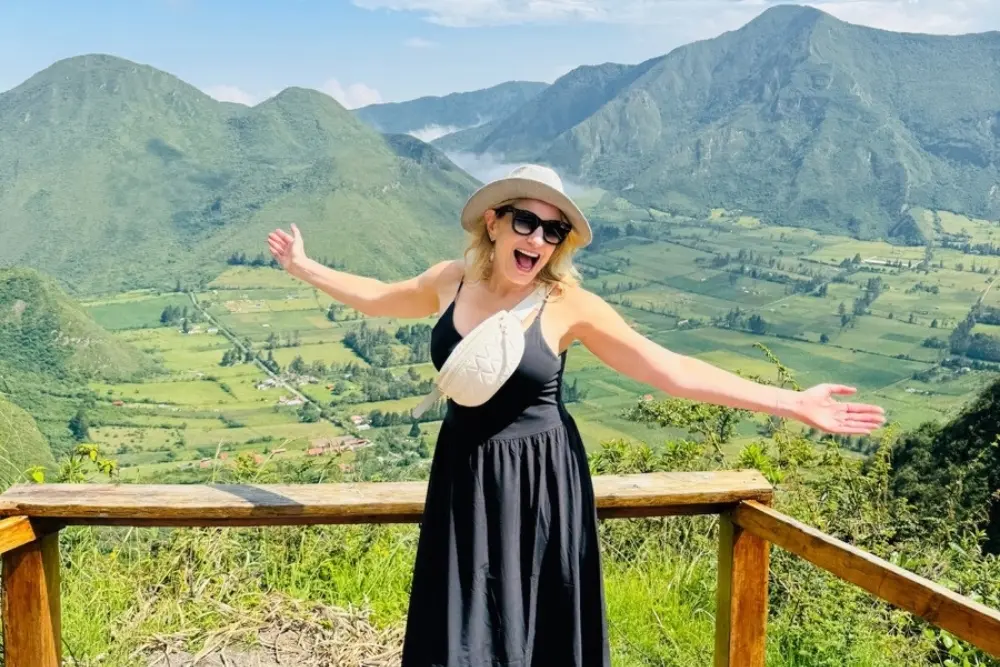
The appeal of this destination lies in variety without excess. Activities are diverse, yet unified by landscape and scale, allowing travelers to design days that suit their interests and energy levels. All of these experiences—whether it’s hiking the volcanic peaks, camping under the stars, or engaging with the local culture—highlight the volcano’s unique ability to combine adventure with connection. No matter your interests, this extraordinary destination offers something meaningful, creating lasting memories for families, solo travelers, and spiritual seekers alike.
Hiking Trails
A Pululahua hike is so varied! The reserve features an extensive network of trails that wind across crater slopes, valley floors, and volcanic domes. Routes range from gentle walks suitable for families to more demanding ascents used by endurance athletes. Two of the most notable peaks are Cerro Pondoña and Cerro El Chivo. Both offer expansive views over the crater and surrounding Andes, rewarding hikers with perspective rather than crowds.
Horseback Riding
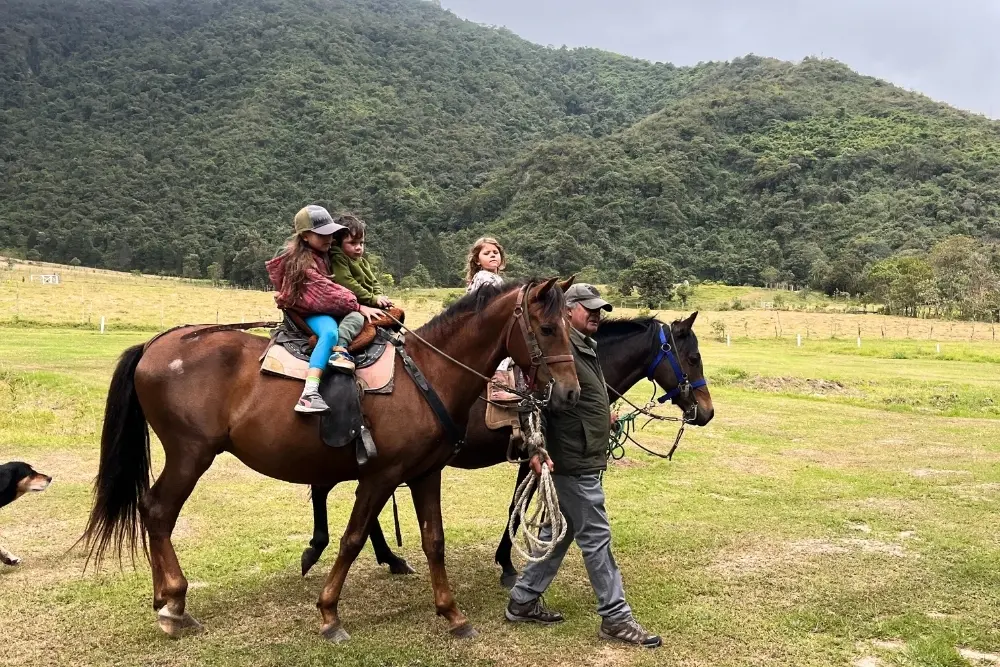
Horseback riding provides a slower, immersive way to experience the landscapes. Guided rides traverse open fields and gentle trails, making them well-suited to travelers of varying ages. For grandparents and grandchildren traveling together, this is often one of the most memorable ways to share the terrain.
Mountain Biking
For more active exploration, mountain biking routes follow dirt tracks and rural paths around the crater. These trails allow riders to cover more ground while remaining closely connected to the environment, passing farms, forests, and viewpoints along the way.
Camping and Outdoor Bonding
Pululahua camping is a must! Designated areas within the crater support traditional tent camping, while private operators offer enhanced setups that include fire pits, barbecue spaces, and evening gatherings. Campfires, shared meals, and stargazing are integral to the experience, reinforcing this destination’s role as a place for reconnection—both with nature and with one another.
Thermal Waters and Natural Features
Natural springs and thermal waters in and around the reserve offer moments of relaxation after physical activity. These are not large resort complexes, but modest, earth-centered features that align with the understated character of the site.
Historic Lime Mines and Ruins
Scattered throughout the reserve are remnants of colonial-era lime production, including old kilns and mining sites. Exploring these adds a layer of historical context, illustrating how the area’s geology shaped not only the land but also local economies.
Scenic Viewpoints and Café Stops
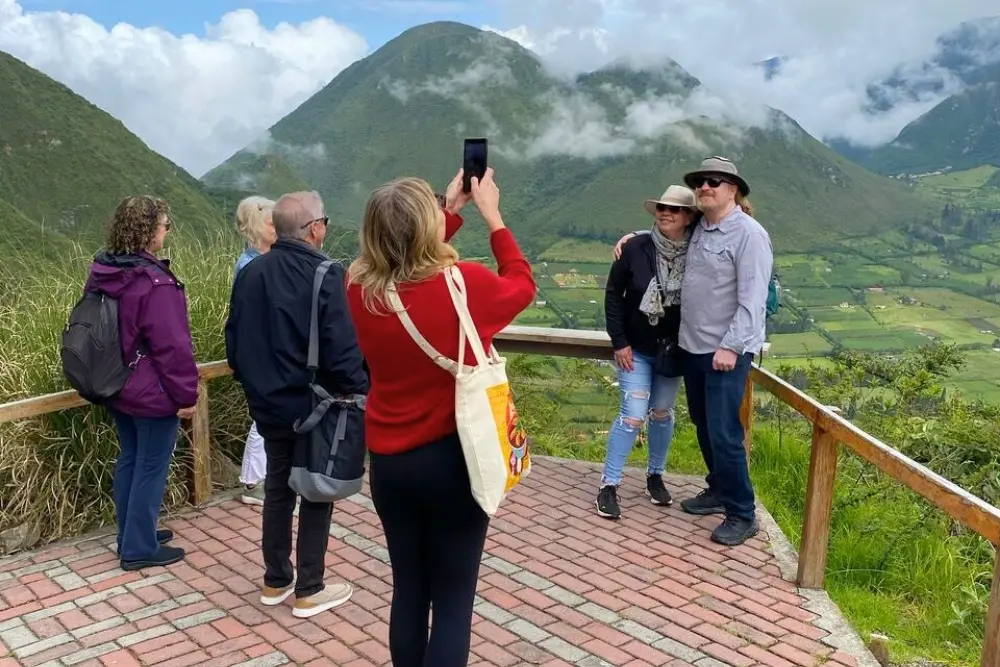
Several crater-rim viewpoints provide sweeping panoramas, some accompanied by small cafés where visitors can pause for coffee or refreshments. These stops act as gentle punctuation points—places to rest, observe, and absorb the scale of the landscape.
Pululahua Activities at a Glance
Pululahua Geobotanical Reserve offers an array of activities that blend adventure, nature, and culture, making it an ideal destination for all types of travelers. Whether you’re an outdoor enthusiast or someone looking to immerse yourself in local history, the reserve provides a unique experience. From hiking through scenic trails to relaxing in natural thermal waters, there’s something for everyone. Below is a list of activities available within the reserve, each offering a distinctive way to explore its natural beauty and rich heritage.
| Type | Activity | Location |
|---|---|---|
| Hiking | Trails of varying difficulty, crater ascents | Crater slopes, domes |
| Horseback Riding | Guided scenic rides | Valley floor, rural paths |
| Mountain Biking | Off-road cycling routes | Dirt tracks, crater edges |
| Camping | Traditional and enhanced camping | Crater interior |
| Thermal Waters | Natural warm springs | Reserve surroundings |
| Historical Exploration | Lime kilns and ruins | Scattered sites |
| Viewpoints | Panoramic lookouts with cafés | Crater rim |
Whether you’re looking for a relaxing stroll through the crater, a thrilling mountain biking adventure, or a deeper spiritual experience, versatility abounds. From gentle outdoor activities to cultural immersion, each opportunity is designed to help you connect with this remarkable, sacred landscape.
Spiritual and Ancestral Dimensions
This natural wonder is deeply rooted in the spiritual beliefs and ancestral traditions of the Andean people. The crater’s land and the mountains that surround it are considered sacred and integral parts of Earth’s energy. For centuries, Indigenous communities have revered this area, seeing it as a powerful intersection of cosmic forces and earthly connections. Today, visitors can experience not only its physical beauty but also its spiritual essence through art, ceremony, and the living traditions that continue to shape its identity. Whether engaging with local art or participating in shamanic rituals, the spiritual dimensions here offer a chance for deeper reflection and connection to the land’s sacred energy.
Andean Cosmology and Sacred Geography
Within Andean belief systems, volcanic landforms are powerful entities. The crater is viewed as a place where energies converge, shaped by equatorial alignment and volcanic soil. Visitors often describe a sense of calm and presence here, whether or not they arrive seeking spiritual meaning.
Art, Energy, and the Templo del Sol
A key cultural presence near the crater is Cristóbal Ortega Maila, a renowned Ecuadorian artist whose work and philosophy are deeply tied to this landscape. Ortega Maila is internationally recognized for his live “speed painting,” often completing large Andean landscapes in under 90 seconds using only his hands. His base, the Museo Templo del Sol, stands at the edge of the reserve.
The structure serves multiple roles:
- An art gallery showcasing paintings and sculptures centered on ancestry, Indigenous identity, and solar energy.
- A ceremonial space, built from volcanic stone and aligned with equinoxes, where visitors may be invited to participate in energy rituals involving aromatherapy and coca tea.
- A performance venue, where live painting demonstrations often conclude with spontaneous auctions.
Ortega Maila views Pululahua as a sacred power center, its volcanic soil amplifying creative and spiritual energy.
Shamanic Ceremonies and Ritual Practice
This destination also hosts annual shamanic gatherings led by local practitioners. These ceremonies, rooted in Andean tradition, may include cleansing rituals, offerings to Pachamama, and guided reflection. Participation is respectful and optional, offering visitors an authentic encounter with ancestral practices rather than a staged spectacle.
Where to Stay in Pululahua?
Visitors can choose from a variety of lodging options that cater to different tastes and travel styles. From luxurious hotels and spa retreats offering modern amenities and panoramic crater views, to eco-lodges and glamping sites that immerse travelers in nature, and community-run campsites that provide an authentic, family-friendly experience, there is something for every type of visitor.
- El Cráter Hotel & Spa
El Cráter offers refined comfort, blending modern amenities with the region’s natural beauty. Spacious rooms feature panoramic crater views, while the full-service spa provides massages and relaxation therapies. The restaurant highlights local and international cuisine using fresh regional ingredients. With direct access to hiking trails and viewpoints, El Cráter combines relaxation and adventure in an elevated setting. - La Pedregoza Pululahua (Glamping and Lodges)
La Pedregoza offers luxurious glamping and eco-lodge accommodations. Fully furnished tents and comfortable rooms combine modern comfort with immersive nature. Guests enjoy cozy beds, private bathrooms, outdoor lounges, hot tubs, and curated experiences such as guided hikes and cultural activities, creating a balance of sustainability, relaxation, and adventure. - Pululahua Ecolodge
This rustic, eco-friendly lodge is located inside the crater and offers an intimate stay focused on sustainability and connection to nature. Built with natural materials, it features simple yet comfortable rooms with volcanic landscape views. Guests can enjoy guided hikes, birdwatching, and nature walks, making it ideal for travelers seeking an authentic, no-frills experience immersed in the reserve’s natural beauty. - Hacienda Niebli de Monjas (Rebecca’s recommendation for families)
Niebli Community Campsite offers a welcoming, family-run camping experience near Cristina Pérez’s ancestral farm. With basic yet comfortable facilities, BBQ areas, communal spaces, and evening fires, guests share local traditions like canelazo shots and marshmallow roasting. Ideal for families and multi-generational travelers, it delivers genuine hospitality and a grounded, community-focused stay immersed in everyday life.
Each of these lodging options provides a distinct way to experience Pululahua, from luxurious comfort to immersive nature stays and authentic community connections. Choosing the right accommodation allows travelers to tailor their visit, ensuring a memorable and fulfilling stay within this unique volcanic crater.
Why Does Pululahua Belong on Your Ecuador Itinerary?
Pululahua offers something increasingly rare: depth without spectacle. Its landscapes invite exploration, its people welcome curiosity, and its traditions remain grounded rather than commodified. Accessible from Quito yet worlds apart, the reserve is equally suited to families, solo travelers, and those seeking spiritual resonance through lived culture rather than packaged experience. This destination is not defined by what you “do” there, but by how the place reshapes your sense of time and connection. Whether hiking crater trails, sharing stories around a fire, or witnessing art born from volcanic energy, visitors leave with more than photographs—they leave with perspective.
Ecuador Andean Journey: Spiritual and Nature Connection
Now that you’ve learned about the rich natural beauty, culture, and adventure of this sacred volcano, it’s time to start planning your own experience. Whether you’re seeking an active adventure or a peaceful spiritual retreat, we have tours tailored just for you.

 5 Days
 Ecuador Amazon and Andes
Embark on a transformative journey through this spiritual reserve, where nature and culture intertwine to offer an ungoogleable experience. Our expert-led tours ensure a deep connection with both the land and its people.
Frequently Asked Questions
What are the unique qualities of the Pululahua volcano, Ecuador?
Pululahua is best known for being one of the world’s two inhabited volcanic craters. Located inside the Pululahua Geobotanical Reserve, it offers hiking, cultural experiences, and spiritual traditions shaped by volcanic landscapes and Andean cosmology near Quito.
Can you visit Pululahua from Quito?
Yes, Pululahua is located about 20 kilometers north of Quito and is easily accessible by car or guided tour. Its proximity makes the crater an ideal day trip or overnight escape from the city.
How to get to Pululahua?
To reach Pululahua, drive approximately 20 km north of Quito, Ecuador. Accessible via private car or guided tours, it’s a short journey from the capital, making it a convenient destination for day trips or overnight stays.
Is Pululahua suitable for families?
Pululahua is well-suited for families, including grandparents and children. Gentle trails, horseback riding, camping, and open landscapes allow travelers of different ages to explore the volcano together.
What type of volcano is Pululahua?
Pululahua is a caldera volcano—a collapsed volcanic crater formed by a massive eruption. It is one of only two inhabited volcanic craters in the world, with a rich ecosystem and fertile soil, making it unique among volcanic landscapes.
Related Posts
