 +593 99 128 3079
 Toll free: +1 866 987 0876


Holiday Highlights: Top Festivals in Colombia
Colombia’s calendar is packed with parties, from heady Holy Week festivities to Latin music concerts and colorful flower festivals—it even has its own wild Carnival!
 Rebecca Braak | Updated: July 31, 2026 | Time to read: 8 min

This blog was created together with Génesis Navarro.
Colombia likes to party. Its yearly calendar is packed with over 150 festivals, fairs, and official celebrations. These events celebrate the full scope of Colombian culture, filled with music, dance, colorful costumes, and (quite often) coffee. It’s not hard to plan a trip to Colombia so that your itinerary includes at least one of these grand parties—the only difficulty is choosing between so many fun options.
To help ease the burden of choice, here’s a guide to the best time to travel to Colombia, focusing on particular Colombian festivals. It includes the ideal time of year to travel, the biggest parties, the cities where they come alive, and all the culture you can expect to enjoy. Vamos!
Table of Contents
Cartagena’s Hay Festival
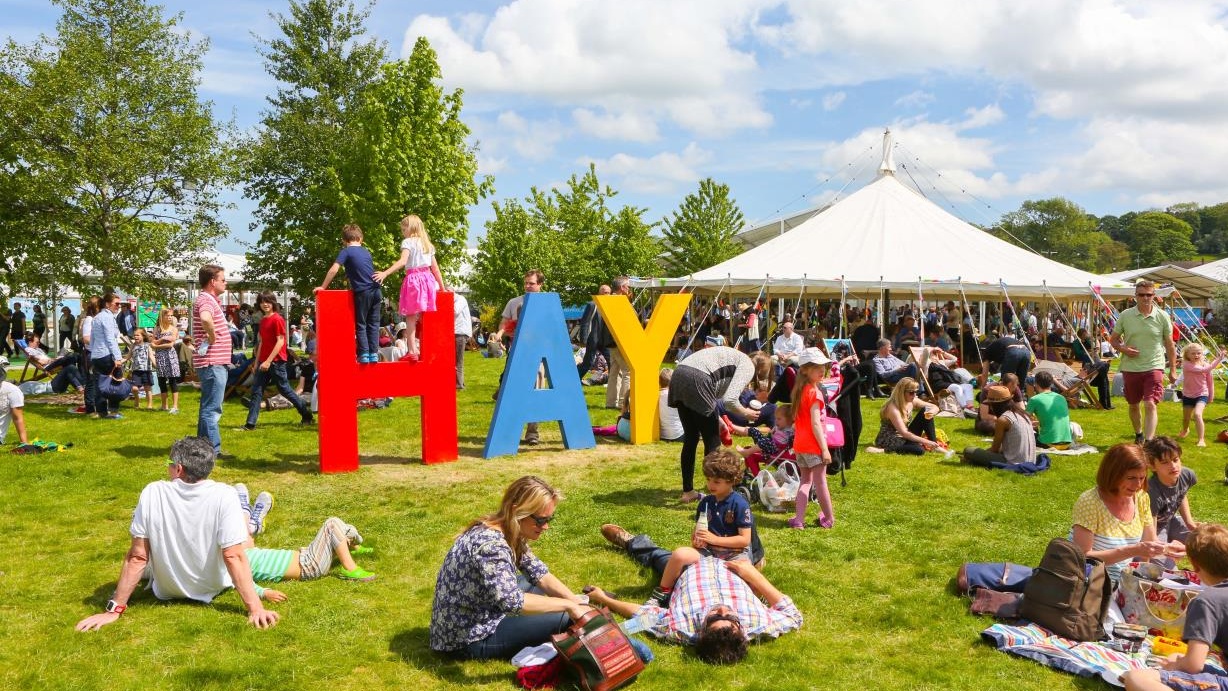
Every year in late January, the well-preserved colonial fortress city of Cartagena hosts the Hay Festival. This international literary gathering attracts writers, artists, and intellectuals from around the world. Come to this event, and you can spend four days strolling the ramparts of the famous Walled City, attending literary talks, and enjoying concerts.
Recent speakers have included novelist Salman Rushdie, Colombian author Juan Gabriel Vásquez, American graphic novelist Richard McGuire, and Danish writer Janne Teller. Concerts held at Cartagena’s Centro de Convenciones are an explosion of regional culture, featuring salsa acts and Caribbean musical styles like porro and creole. Remember, this is the coast of Colombia, so dress for the warm climate. Light, breathable fabrics and comfortable footwear are recommended for walking around the historic city.
Barranquilla Carnival
February in Colombia is all about the Barranquilla Carnival, one of the country’s most significant and colorful festivals. Taking place in the Caribbean coastal city of Barranquilla, this event is a four-day celebration of music, dance, and cultural heritage. Like many carnival celebrations around the world, Barranquilla’s version is held four days before Ash Wednesday, and culminates the following Tuesday. Expect plenty of parades, floats, costumes, traditional cumbia music, and the crowning of the Reina de Carnival (Carnival Queen).
In particular, Barranquilla Carnival’s main parades are must-see events. The Batalla de Flores kicks off the festivities with colorful floats and exuberant dancers. The Gran Parada follows, featuring a dynamic mix of traditional and modern costumes, celebrating Colombia’s diverse cultural heritage. The Carnaval de los Niños allows the younger generation to participate, creating a family-friendly atmosphere and ensuring the continuity of carnival traditions.

During Barranquilla’s Carnival, visitors can witness—and join in—a variety of regional dance styles, including cumbia, mapalé, and garabato. Each dance tells a story, reflecting Colombia’s rich cultural tapestry and the influences of African, Indigenous, and Spanish traditions. Dance troupes and individual performers pour their hearts into their routines, making every moment of this carnival an explosion of joy.
Ibagué Folkloric Festival
Late June sees western Colombia explode with music and dance. This is no surprise, since the city of Ibagué, located in the Tolima department, is famously known as the “Musical Capital of Colombia“. It’s a regional identity, where traditional folclórico is a part of daily life. This music has roots in African, Indigenous, and Spanish influences, and is characterized by traditional instruments and a narrative vocal style telling tales of life, love, and local legends.
Ibagué’s festival spans several days, during which visitors can witness authentic folklore performances, parades, beauty pageants, and more. The festival typically lasts about a week, attracting tourists and locals alike. To fully enjoy the Ibagué Folk Festival, travelers can plan their visit by checking the event page to know the exact dates and scheduled activities. Also, be sure to book accommodation in advance, as demand is high during this period.

Holy Week in Popayán
Located in southwestern Colombia, Popayán is the capital of the Cauca department, known for its white-washed colonial buildings and cobbled streets. Each April during Holy Week, the city hosts one of the most famous religious celebrations in all of Latin America. Dating back to the 16th century and recognized by UNESCO, these solemn nighttime processions feature locals carrying intricately carved pasos (wooden platforms) that depict scenes from the Passion of Christ. Candlelit streets, sacred music, and colonial architecture create a powerful, immersive atmosphere rooted in centuries of devotion.
Beyond the processions, Popayán’s historic center offers a rich cultural experience, with its gleaming white buildings earning it the nickname “La Ciudad Blanca.” Landmarks like the Cathedral Basilica of Our Lady of the Assumption, with its grand columns, stand out for their striking façades and detailed interiors. During Holy Week, many churches host special ceremonies and extended visiting hours, and travelers can visit other cultural attractions like the Museum of Religious Art. Again, this is Latin America’s most popular Holy Week festival, so book flights and hotels 3-6 months in advance.

Festival of San Pedro in Neiva
Held each June in Neiva, the Festival del Bambuco en San Juan y San Pedro is another vital folkloric celebration, honoring traditional music, dance, and regional identity. The festival centers on the Sanjuanero Huilense, a lively dance performed in colorful costumes, along with parades, beauty pageants, concerts, and street festivities that fill the city for nearly two weeks. Expect hot weather (often 85–95°F / 29–35°C), so lightweight clothing, sun protection, and hydration are essential.
For practical planning, book accommodations early, as Neiva sees a surge in visitors during the festival. Stay near the city center for easy access to events, many of which take place along the Malecón Río Magdalena. Taxis and rideshares are the most convenient way to get around, as some streets close for parades and performances. While many events are free, reserve tickets in advance for major shows and competitions.

Medellín’s Flower Festival
Held in early August in Medellín, the Feria de las Flores is one of Colombia’s most popular cultural events, celebrating the region’s rich floral heritage. The highlight is the Desfile de Silleteros, where farmers from nearby Santa Elena carry elaborate flower arrangements (silletas) on their backs in a colorful parade. Events run for about 10 days and include concerts, classic car shows, horse parades, and street parties across the city. Expect warm daytime temperatures (around 75–85°F / 24–29°C) with occasional rain, so light clothing and a rain jacket are recommended.
For practical planning, book accommodations at least 1–2 months in advance, as hotels fill quickly and prices rise during the festival. Stay in central neighborhoods like El Poblado or Laureles for easy access to events, and use the Medellín Metro to avoid heavy traffic and road closures during major parades. Purchase tickets early for headline events, but many activities are free and open to the public.

These are just a few highlights of Colombia’s festival calendar. Whether you’re a lover of music, dance, or cultural heritage, Colombia’s diverse festivities and attractions promise extraordinary experiences. Plan your visit to coincide with these celebrations, and immerse yourself in the heart and soul of Colombia!
Explore Colombia Through Festivals, Culture and Traditions

 11 Days
 Colombia

Frequently Asked Questions
When is the best time to experience Colombian festivals?
The article highlights several major festivals throughout the year, including the Barranquilla Carnival in February, the Ibagué Folk Festival in March, the Festival of San Pedro in June, and the Medellín Flower Festival in August.
What are some specific Colombian festivals, and what are they known for?
The Hay Festival in Cartagena is a literary and cultural event in January. The Barranquilla Carnival is a colorful celebration of music and dance in February. The Holy Week processions in Popayán in April are noted for their religious significance. The Medellín Flower Festival in August is famous for the Silleteros Parade.
Is there a music festival in Colombia?
Yes, the article mentions the Ibagué Folk Festival in March, which showcases traditional Colombian music and dance. Ibagué is even called the “Musical Capital of Colombia.”
How can attending these festivals in Colombia enhance a travel experience?
Attending these festivities provides a unique opportunity to immerse yourself in Colombia’s rich traditions and lively atmosphere, offering a more profound cultural experience.
Ready to Plan Your Colombian Adventure?
Whatever you seek from your journey through Colombia, our expert travel designers create experiences that connect you with people, nature, and purpose, with every detail handled with care.


