+593 99 128 3079
 Toll free: +1 866 987 0876


Best Time to Visit Galápagos: Wildlife, Weather and Seas Month by Month
Month by month, this guide breaks down all the Galápagos weather and wildlife considerations to ensure you have the adventure of a lifetime.
 Johanna Alvear | Updated: September 16, 2026 | Time to read: 16 min

When is the best time to visit Galápagos? There is no single “best” or “worst” time to visit. It depends on the activities you want to do, the wildlife you hope to see, and the type of weather you prefer. When planning your journey to the Enchanted Isles, each month offers something unique, and certain islands may align better with your travel priorities.
This blog provides a clear month-by-month breakdown to help you choose the ideal season with clarity and confidence. When you are ready to start planning, explore our thoughtfully designed Galápagos island-hopping tours and let our Ecuador-based team guide you every step of the way.
Table of Contents
Want to know what the best time of year to visit Galápagos is? Located directly on the equator, the Enchanted Isles have two seasons: hot and dry. The fact that the Galápagos straddle both the northern and southern hemispheres makes them a unique island ecosystem. The climate is warm throughout the year; however, don’t make the mistake of thinking the Galápagos is a tropical destination à la the Caribbean. It is a subtropical climate, with cool ocean currents and a mix of tropical and temperate weather.
Regarding the best time to travel to the Galápagos, the warm season is from December to May. The cool, rainy season runs from June through November. Therefore, when planning to travel to the Galápagos Islands, you should consider three factors:
- Galápagos weather and climate.
- Flora and fauna observation.
- Optimal conditions for activities.
What is the best month to go to the Galápagos?
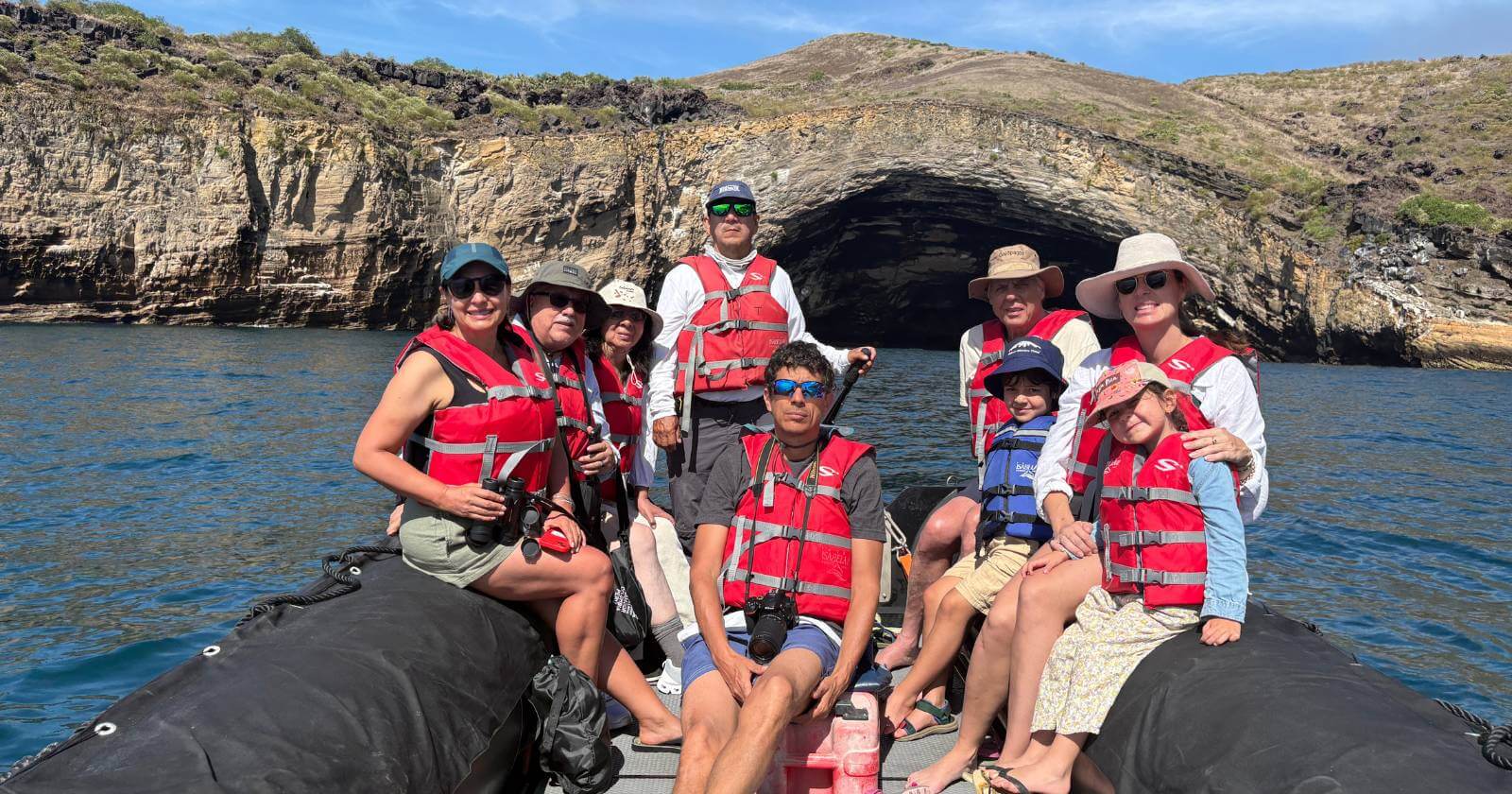
Any month works, but each one trades something. From December to May, the water is warm, the seas are calm, and snorkeling visibility is at its best. From June to November, the Humboldt Current cools the water and feeds the marine life, so there is more activity underwater and more seabird nesting. April, May, and November sit between the two seasons, with lighter crowds than the holiday peaks.
Galápagos Weather and Sea Conditions by Season
Galápagos Weather: Hot Season (December Through May)
The wet season is characterized by a mixture of rain and sun, so the islands still generally remain warm. In fact, the otherwise sunny days are characterized by intermittent mists and drizzles that can be refreshing. Since the sun will be out most of the time, you can plan on enjoying all regular Galápagos activities, including walks through the lush highlands of islands like Santa Cruz. Still, it’s a good idea to pack rain gear for island excursions.
Overall Temperatures:
Land: avg.72-86°F/30°C.
Water: avg.76°F/25°C.
Galápagos Weather: Dry Season (June Through November)
In the dry season, you can expect cloudy skies, cooler temperatures, and dry weather. So, if you are seeking a mild climate for excursions, neither too hot nor too cold, the dry season is perfect. That said, if you travel to inland areas, you probably won’t escape the occasional misty fog, also known as garua. This arrives with the Humboldt Current and blankets the highlands, creating fertile green zones, while the coast generally remains arid. Since garua is light, you can leave the rain gear at home.
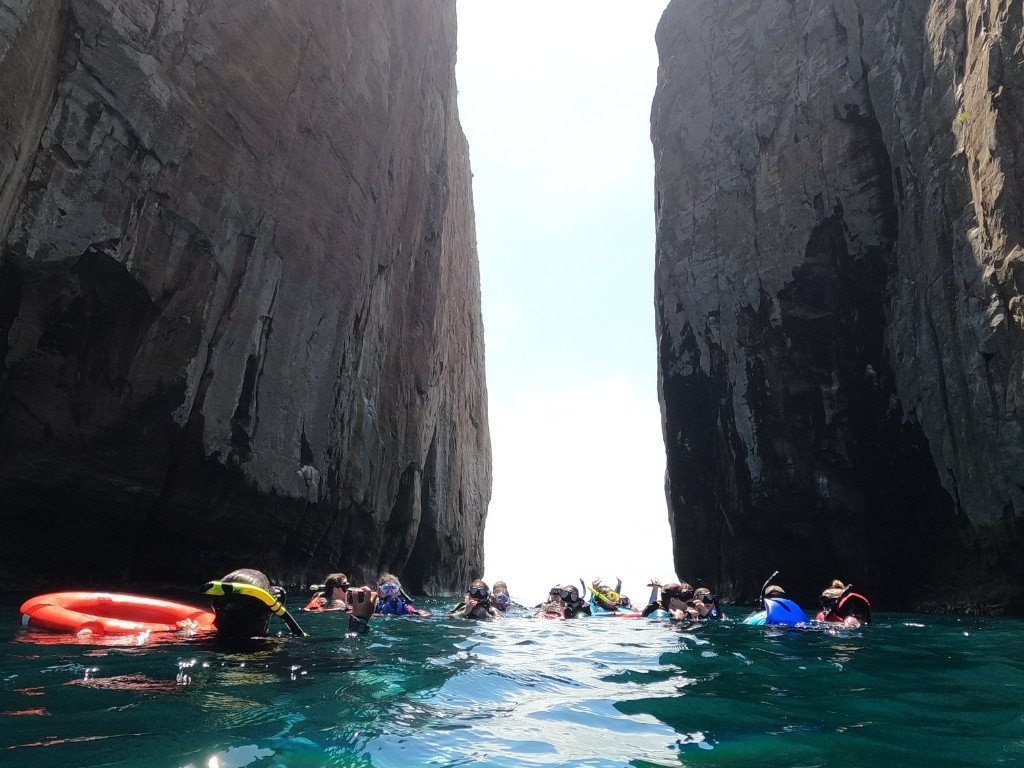
And speaking of the Humboldt Current, its nutrient-rich waters result in increased marine activity, making the dry season the perfect time for diving/snorkeling excursions.
Overall Temperatures:
Land: avg. low/high 66-79°F/19-26°C.
Water: avg. 72°F/22°C.
When to Visit Galápagos: Seasons, Wildlife and Activities
Warm & calm waters | Wildlife breeding | Adventure & diving | Flexible / No preference |
|---|---|---|---|
Jan–Mar | Jun–Sep | Oct–Dec | |
Wildlife activity
| Wildlife activity
| Recommended activities
| Time to visit
|
Start Planning Your Galápagos Journey
Our expert travel designers craft personalized island-hopping itineraries in Galápagos, connecting you with local culture, nature, and meaningful moments, all handled with care.
Galápagos Weather by Month and What to See
You can witness the vast diversity of famous Galápagos wildlife, both on land and at sea, all year long. However, the best time to see land species is during the warm and wet season. On the other hand, the cold and dry season brings an increase in marine fauna. For example, while snorkeling and scuba diving, you will often enjoy greater visibility, though you should plan on packing a wetsuit for any water activities.

All year round, you can see iconic avian species like red-footed boobies and masked boobies. Also, regardless of season, you might catch them performing their elaborate mating rituals. During this time, the birds perform high-stepped struts to show off their bright red feet. You’ll also likely spot them mid-air— they’re great flyers, traveling up to 90 miles (145 km) when foraging.
Also, year-round, you can expect to see flightless cormorants, penguins, and flamingos breeding and nesting. Based on this information, you can choose the best Galápagos tours we offer. Below you will find a month-by-month guide to the islands:
Galápagos Weather & Wildlife in January
- As the rainy season starts, Galápagos land birds (such as Darwin finches and Yellow Warbler) begin their mating rituals and start nesting. There are 13 endemic species of Darwin’s finches found in the Galápagos Islands. The colorful Yellow Warbler is a small songbird with what’s described as a “sweet, sweet, sweet” chorus that is easily recognizable. Ask your expert guide to help you spot this beautiful bird!
- Green sea turtles arrive on the beaches to lay their eggs and begin their nesting period, particularly on Santa Cruz, Isabela, and Floreana islands. Green sea turtles are the only species of sea turtles to nest in the Galápagos. In fact, they are fast swimmers, being able to travel at speeds up to 35 mph.
- On Isabela Island, male Galápagos land iguanas begin their reproductive cycle, presenting brighter colors to attract the female’s attention. The land iguana is one of four species of iguana you can see on the islands, the others being marine iguanas, yellow iguanas, and pink iguanas.
- Water and air temperatures increase, making it an ideal time for snorkeling!
To explore weather trends, seasonal wildlife, and expert tips, check out our Galápagos in January article.

Galápagos Weather & Wildlife in February
- Expect warm and sunny days with clear skies. The climate is perfect for wildlife tours and sightseeing.
- On Santa Cruz Island, marine iguanas start their nesting season. These are the only marine lizard species in the world and are endemic to the Galápagos. Fun fact: they can dive to depths of more than 65 feet (20 m).
- The nesting season of Nazca boobies on Española Island comes to an end in February.
- At Floreana Island, the famous flamingos begin to nest. The incubation process can take up to 30 days. Galápagos flamingos are technically the same species as American flamingoes, known for their famously bright pink feathers. You can see these animals year-round wading in saline lagoons on Floreana, Isabela, Santa Cruz, and Santiago Islands.
- Galápagos penguins can be observed on Isabela and Fernandina Islands. These animals are the only penguin species found north of the equator. They are an endangered species, with fewer than 2,000 remaining. Furthermore, they are the smallest penguins in the world and are endemic to the archipelago. They typically nest near the shore in caves and coastal lava.
- The water temperature reaches 77°F/25°C, making it perfect for water activities!

Galápagos Weather & Wildlife in March
- Galápagos weather in March features intense sun and high temperatures on land and in the water. The water is still warm, and visitors can enjoy activities such as snorkeling/diving. There are some short tropical rains, but mostly the sun is strong, and the temperature reaches 86°F/30°C.
- At the beginning of the summer equinox on March 21st, Albatrosses return to their homes on Española Island. These are the largest birds in the Galápagos, with a wingspan that reaches up to 8 feet (2.5 meters). These animals mate for life, and females lay a single egg on the ground.
- During nesting season, from March to July, you can witness flamingos’ courtship and hatchlings. Flamingos have very agile movement thanks to their long legs and neck. The Galápagos flamingos, also known as American flamingos, are smaller and lay smaller eggs than the Caribbean flamingos. They can be found in saline lagoons near the beach.
- You will find good underwater visibility, with high water temperatures.

Galápagos Weather & Wildlife in April
- Bird lovers flock to Punta Suarez, where albatrosses have arrived en masse to begin their courtship ritual.
- The birth season of Galápagos giant tortoises starts. Hence, you will be able to see baby turtles in Santa Cruz, Isabela, and San Cristobal hatcheries. There are 13 living species of Galápagos tortoises, and they are among the longest-lived reptiles of all land vertebrates. They spend an average of 16 hours a day resting.
- It’s common to see birds such as Darwin’s finches and vermilion flycatchers perched on top of tortoise shells. They’ve developed a symbiotic relationship, feeding off ticks and other small parasites on the tortoise’s skin and shell.
- Galápagos weather in April is still rainy, resulting in lush vegetation in the highlands.

Galápagos Weather & Wildlife in May
- In Gardner Bay (Española Island) and Puerto Egas (Santiago Island), sea turtles continue with their incubation process.
- The Palo Santo trees begin shedding their blue-green foliage. Fun fact: Palo Santo trees have an aromatic, incense-like smell.
- In Santa Cruz, the eggs of marine iguanas are starting to hatch. Visitors can see small iguanas on the shores of Puerto Ayora around the pier.
- Blue-footed boobies start whistling on North Seymour Island. In contrast, females answer with “honk” sounds to show they are “available.”
- On Española Island, albatrosses begin laying eggs and start their resting period. The same happens to the Galápagos dusky-rumped petrel.

Galápagos Weather & Wildlife in June
- The warm season begins. Galápagos weather is sunny and wet. There are warm temperatures on land and sea, with occasional rain showers.
- Giant tortoises on Santa Cruz migrate from the highlands to the lowlands. They search for drier places to rest and to start their nesting period.
- Ocean currents are getting nutrient-rich. As a result, humpback whales migrate to equatorial waters along the Ecuadorian coast. Humpback whales can be spotted throughout the open waters of the Galápagos.
- Migratory birds from the south begin their journey to the north.

Galápagos Weather & Wildlife in July
- On Española Island, blue-footed boobies begin their courtship rituals.
- Seabird chicks are growing and are learning to survive.
- Non-flying cormorant seabirds nest on Fernandina Island. They are the world’s only flightless cormorant.
- Off the coast of Isabela Island, the chances of seeing whales and dolphins increase.
- Lava lizards start their mating rituals, which will last until November. Lava lizards are the most abundant reptiles throughout the Galápagos. They can be seen on every island except Genovesa, Darwin, and Wolf islands.
Galápagos Weather & Wildlife in August
- On the Española and Santiago islands, the Galápagos hawk starts its mating season. Hawks are at the top of the terrestrial food chain, are endemic to the Galápagos, and are one of the world’s rarest raptors.
- Giant tortoises are abundant in the highlands of Santa Cruz Island.
- Masked boobies and swallow-tailed gulls start their nesting season on Genovesa Island.
- Ocean temperatures drop due to sea currents crossing the archipelago.
- Sea lion births take place on several islands. Did you know that when the pup is born, it develops a unique call to distinguish it from the rest while it bonds with its mother?

Galápagos Weather & Wildlife in September
- Visitors can swim and snorkel with the penguins of Bartolomá Island.
- The majority of seabirds are active at their nesting sites.
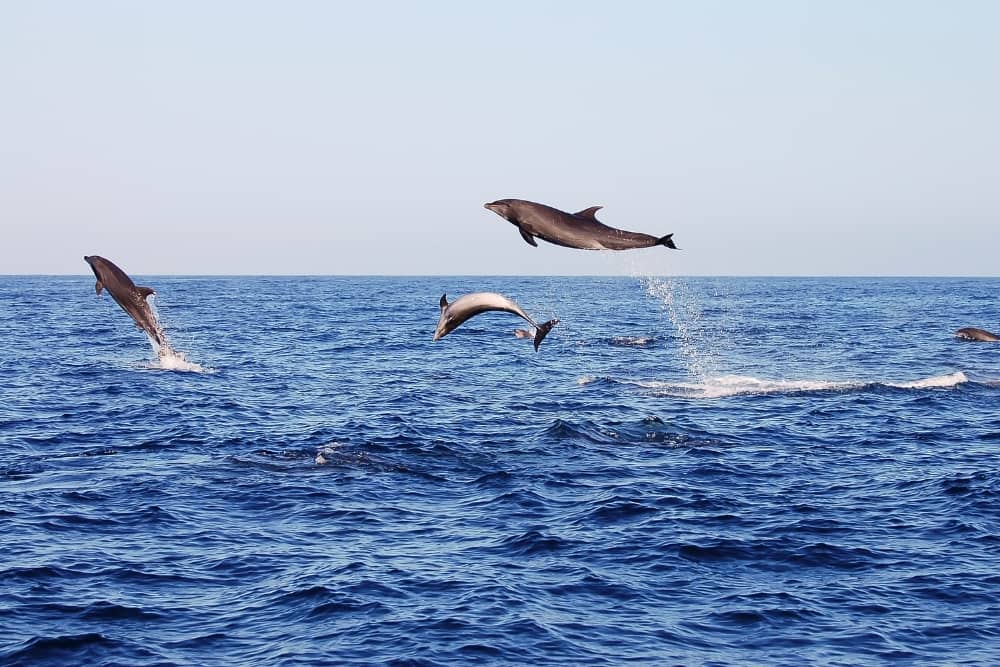
- September is a great time for whale and dolphin watching. Scientists have recorded around 24 species of marine mammals in the Galápagos, including sperm whales, Bryde’s whales, and orcas. The cooler months (July to November) are the best time to spot these animals. Occasionally, blue, humpback, minke, sei, and short-finned pilot whales appear.
- Bottlenose dolphins and white-bellied dolphins are common sights during this time.

Galápagos Weather & Wildlife in October
- Temperatures are cool and ideal for hiking and wildlife observation.
- Lava herons begin their nesting period, which lasts until March. These birds lay between 1 and 3 eggs, which incubate on the shores for approximately three weeks.
- The mating season of the Galápagos sea lion starts.
- Blue-footed boobies start raising their chicks in Española and Isabela Islands. The animals have an incubation period of approximately 45 days.

Galápagos Weather & Wildlife in November
- Green sea turtles begin their mating season. You can observe them throughout the entire archipelago.
- It’s possible to see whale sharks in the north of the Galápagos Marine Reserve. Whale sharks are the largest species of sharks in the world and the largest fish alive. They have an average size of 32-39 feet (10-12 meters).
- The transition from the cool and dry season to the warm and wet season begins. Then, the water temperature slowly rises, allowing for activities such as paddleboarding, kayaking, snorkeling, and diving.

Galápagos Weather & Wildlife in December
- Giant tortoise eggs begin hatching.
- Visitors can witness the courtship rituals of green sea turtles on the coasts of Santa Cruz (Bachas Beach) and Floreana (Punta Cormorant) Islands.
- The first albatross chicks are hatching.
- Migratory birds from the north begin their journey to the south.
- At last, the highlands start to get “green” again due to the new rain.

Ready to Turn Your Travel Month Into a Galápagos Itinerary?
Once you’ve identified the best month for your interests, the next step is choosing the right travel style. Whether you prefer a land-based tour or a small-ship Galápagos cruise, your itinerary should reflect the season’s wildlife highlights and your personal travel preferences.

 6 Days
 Galapagos

Top Galápagos Seasonal Activities
There are countless activities you can enjoy while you travel the Galápagos on land or at sea. Excursions like hiking or biking may be more comfortable between June and November because of cool temperatures. Also, the rich nutrient waters are in optimal condition for sea lions, marine iguanas, sharks, and seabirds. That makes this season an exceptional time to go swimming, snorkeling, kayaking, and diving. Additionally, migratory whales come to the Galápagos, and tourists often witness the spectacle of young calves playing with their mothers.
In the hot season, from December through May, rainfall is scarce. This makes it easier to enjoy land and sea excursions. During this season, you can take tours to sites where giant tortoise eggs. Likewise, birding is ideal during this time, as skies are generally clear, and you can embark on nature and volcano hikes. Also, the water is warmer during the hot season. Snorkeling, swimming, and diving are great activities for the season, and you may not need to wear a wetsuit.
While planning your travel to the Galápagos, make sure to build a clear itinerary. Based on your preferences, you can pick specialized tours (check our island-hopping tours and last-minute cruise deals).
Every itinerary is curated by our Ecuador-based experts and includes our Huella Positiva impact commitment — supporting local guides, conservation, and family-owned businesses across the islands.
Best Time to Visit Galápagos: FAQs
What is the best month to go to the Galápagos?
There is no bad month. For warm water and calm seas, choose December to May; for richer marine life and seabird courtship, choose June to November. April, May and November balance both, with fewer crowds.
When should you not go to the Galápagos?
No month is off limits. If you get seasick, avoid August to October, when the cool Humboldt Current brings choppier seas. Christmas, Easter, and July to August book out first, so reserve those dates 9 to 12 months ahead.
What is the best month to cruise the Galápagos?
February to May brings the calmest seas and warmest water, ideal if you worry about seasickness. Divers chasing whale sharks prefer June to November, when liveaboards head north to Darwin and Wolf.
What is the Galápagos Islands’ weather like?
Galápagos Islands weather is warm and tropical, with two distinct seasons: the hot, wet season from December to May and the cooler, dry season from June to November. Expect pleasant temperatures year-round, with occasional rain during the wet season.
What wildlife can you see in the Galápagos each month?
Each month brings something: waved albatross on Española from April to December, blue-footed booby courtship from June to August, green turtles nesting from December to March, and whale sharks at Darwin and Wolf from June to November.
Ready to Plan Your Tour Through Galápagos?
Whatever you seek from your journey through Galápagos, our expert travel designers create experiences that connect you with people, nature, and purpose, with every detail handled with care.
Related Posts