+593 99 128 3079
 Toll free: +1 866 987 0876


Galápagos Islands Vacation: What to Know Before You Go
Arm yourself with practical info to ensure a smooth Galápagos adventure, including park rules, health and safety tips, expert site recommendations, and more.
 Rebecca Braak | Updated: September 29, 2026 | Time to read: 15 min

Before you travel to the Galápagos, plan for six things: a passport valid for at least six months, the USD 20 Transit Control Card issued at the airport in Quito or Guayaquil, the USD 200 national park entry fee paid on arrival, a biosecurity inspection of your luggage, a certified naturalist guide for most visitor sites, and enough cash for the islands, where cards are not accepted everywhere.
A Galápagos Islands tour is unlike most other vacations. In essence, you’re heading to the remote Pacific Ocean and an archipelago of volcanic islands that is a national park protecting one of the most biodiverse places on earth. Besides marveling at the rugged natural beauty and extraordinary wildlife, there are some tips and facts you should know to maximize the experience and ensure your grand Galápagos adventure goes as smoothly as possible. These include national park regulations, must-visit sites, health and safety concerns, and more.
Table of Contents
Watch: Galápagos Questions Answered on Camera
Rebecca answers the questions travelers ask most often before their first trip: when to go, cruise versus island hopping, what the wildlife is doing each season, and how to pick an operator. Sixteen minutes, or read on for the written version.
Galápagos Islands Entry Requirements
Getting to the Galápagos Islands involves more than a flight. Before even getting on a plane, it’s essential to understand the entry requirements put in place by Ecuador and Galápagos National Park. First, all foreign travelers must hold a passport valid for at least six months and a return ticket to their home country. Next, you’ll need to obtain a transit control card.
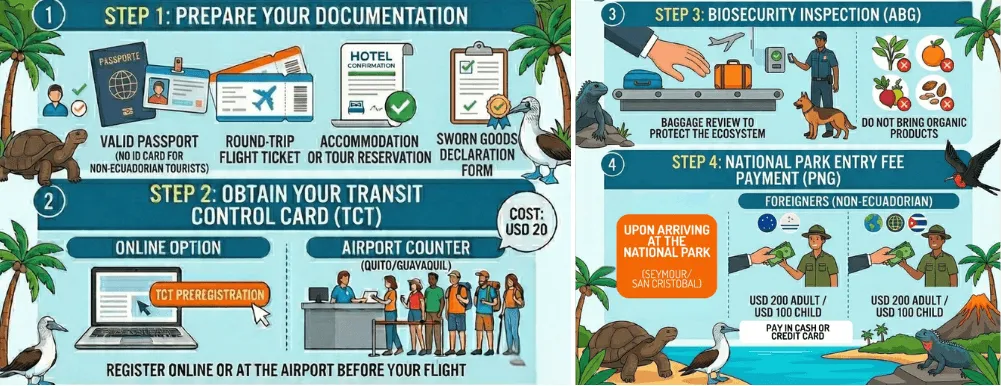
Transit Control Card
All travelers to the Galápagos must obtain a Transit Control Card before flying to the islands. These cards are issued at the airport in Quito or Guayaquil, at the counter of the Galápagos Government Council (Consejo de Gobierno del Régimen Especial de Galápagos, or CGREG). Look for the desk still signposted INGALA: that was the institution’s former name, and travelers and airline staff alike still use it. They’re valid for 60 days and cost USD 20. The purpose of the card is to monitor the flow of travelers and ensure sustainability. In 2025, the government of Ecuador established a pre-registration form to obtain the Galápagos Transit Control Card, which can be filled out online.
Galápagos Biosafety Form
Within 48 hours of travel to the Galápagos Islands, all travelers must fill out an online declaration form via Ecuador’s ABG website. This sworn declaration of goods ensures you aren’t bringing prohibited items to the islands. Restricted items include seeds, produce, animal products, and more.

Luggage Inspection
The fragile ecosystem of the Galápagos means that officials are diligent in screening for potentially hazardous materials. Therefore, upon arrival at the archipelago, you’ll undergo baggage control inspection by the Biosafety Agency, also known as SIGCAL. Officials will search for invasive species and materials like fruits, vegetables, and organic matter.
Entry Fee
Following the baggage screening, you’ll need to queue up to pay the Galápagos National Park Entry fee, which is USD 200 per adult and USD 100 per child. After paying this fee, your luggage will undergo another screening to ensure it doesn’t contain any organic items. Once you successfully pass this screening, you’ll have officially entered the islands, and your grand Galápagos adventure can commence.
Cash, Cards and ATMs in the Galápagos
Bring more cash than you think you need. Puerto Ayora, Puerto Baquerizo Moreno and Puerto Villamil each have ATMs, but they run out of cash on busy weekends and the withdrawal limits are low. Larger hotels, cruise operators and the better restaurants take cards, often with a surcharge. Small restaurants, taxis, the water taxi between the pier and your boat, souvenir stalls and the park entry desk are cash only, in US dollars. Bring small bills: breaking a 50 on the islands is harder than it sounds.
KEEP IN MIND: The fees you pay directly support conservation efforts in the park, benefiting organizations like the Galápagos National Park Directorate and the Charles Darwin Foundation, as well as local municipalities. By paying these fees, you contribute to responsible travel in the Galápagos Islands and their preservation.

Galápagos National Park Rules and Regulations
The Galápagos Islands were established as a national park in 1959 (in fact, they were Ecuador’s first-ever national park). As such, it’s essential to adhere to park regulations while enjoying the islands. Visitors must:
- Be accompanied by a certified guide (included in most tour packages).
- Travel exclusively with tour operators licensed to operate in the Galápagos.
- Stick to marked trails to safeguard yourself and the wildlife.
- Maintain a minimum distance of 6 feet (2 m) between yourself and the wildlife. Even if they appear friendly, they are not pets.
- Refrain from feeding the wildlife, as it can cause health issues.
- Avoid using flash photography when photographing wildlife. Additionally, any videos and photos for commercial purposes require special permission from park officials. More info can be found here: Shooting, filming, and photography in protected areas of Galápagos – Regulations Manual.
- Fly drones only with a permit from the Galápagos National Park Directorate. Recreational drone flights at visitor sites are not allowed.
- Camp only in the designated areas on certain islands, with authorization from the Galápagos National Park Directorate at least 48 hours in advance.
- Avoid purchasing or possessing products made from banned substances such as black coral, shells, lava rock, and animal parts.
- Carry out all trash. Single-use plastics are restricted on the islands, so bring a refillable bottle and a reusable bag.
- Refrain from smoking and building campfires, as they pose a severe risk to the flora and fauna.
- Fish only on recreational tour boats authorized by the national park.
Following these regulations helps protect the islands’ wildlife and environment, ensuring this extraordinary destination remains pristine for future generations to enjoy.
Is It Safe to Go to the Galápagos Right Now?
Yes. The Galápagos is one of the safest regions in Ecuador: crime is low, tourism is tightly managed, and most visitor sites are reached with a certified guide. Mainland advisories vary by province, so check your government’s current guidance before you travel.
Is It Safe to Walk at Night in the Galápagos?
Yes. Puerto Ayora, Puerto Baquerizo Moreno, and Puerto Villamil are small harbor towns where people walk after dinner. Stick to lit streets, use the same precautions you would anywhere, and watch your step: sea lions sleep on sidewalks, benches, and docks, and they will not move for you.
Health and Medical Care in the Galápagos
Nothing about the islands is medically demanding, but you are a long way from a large hospital. Pack what you need, know what the island pharmacies stock, and tell your guide in advance about anything that affects how you move on a trail.
Prescription Medicine
If you’re traveling solo or on a Galápagos family vacation, make sure to bring all the prescription medications you and your family might need. While there are pharmacies on the islands, they may not always accept foreign prescriptions. Therefore, it’s a good idea to bring extra medicine in case of emergencies or unforeseen delays during your trip.
Altitude Sickness
If you plan to stay in Quito for a few days before flying to the Galápagos Islands, keep in mind that its elevation is 9,350 feet (2,850 meters) above sea level. Altitude sickness can cause symptoms like dizziness, headaches, weakness, fatigue, nausea, and breathing difficulties. Staying hydrated by drinking plenty of water is the best way to adapt to high altitudes. Also, you don’t want to engage in strenuous walks or physical activities for your first couple of days. Consult your doctor back home for medication that can help prevent altitude sickness.
Seasickness Medicine
If you’re prone to seasickness, be aware that you’ll likely be taking smaller boats between islands. You may even experience nausea on larger cruise ships. Keep in mind that while seasickness remedies are available, you can also choose an alternative island-hopping tour or a land-based tour for your Galápagos Islands vacation.
Here are some other items to consider packing:
- Antacid.
- Diarrhea medicine.
- Antihistamine.
- Cough drops, suppressants, or expectorants.
- Decongestant.
- Pain relievers or fever reducers.
- Mild laxative.
- Mild sedative or other sleep aid. If you use a CPAP machine, you can bring it: island hotels have air conditioning, so humidity is not a problem for the equipment.
- Water purification tablets or portable filters (please note that drinkable water is provided during tour and cruise itineraries, and it is also available for purchase in convenience stores on inhabited islands).
- Insect repellent.
- Sunscreen.

Medicine and Medical Supplies / Hospitals and Clinics in the Galápagos
Local pharmacies in the Galápagos Islands typically stock common medicines and medical supplies. When you plan your vacation with Rebecca Adventure Travel, rest assured that we ensure your well-being at all times by working with reputable local providers. Regarding first-aid kits, your guides, Galápagos hotels, lodges, and cruises are well-equipped to provide necessary medical assistance. Don’t forget to carry your insurance information and any specific medical requirements.
In the Galápagos Islands, there are two hospitals: the Hospital República del Ecuador, on Santa Cruz Island, and Oskar Jandl Hospital, on San Cristóbal. Isabela also has a small clinic. For more complex procedures, patients may need to be transferred to the main cities. Medical air ambulances are available from Quito and Guayaquil, and pharmacies can be found on the main islands.
Physical Activity
Galápagos Islands vacations are synonymous with adventure. Be prepared for physically strenuous activities, particularly if wildlife observation and outdoor exploration are central to your itinerary. There are abundant activities to enjoy, including volcano hikes, mountain biking, wildlife observation, kayaking, snorkeling, swimming, and more. No matter your interests, plan on embarking on at least one excursion per day, lasting an hour or two.
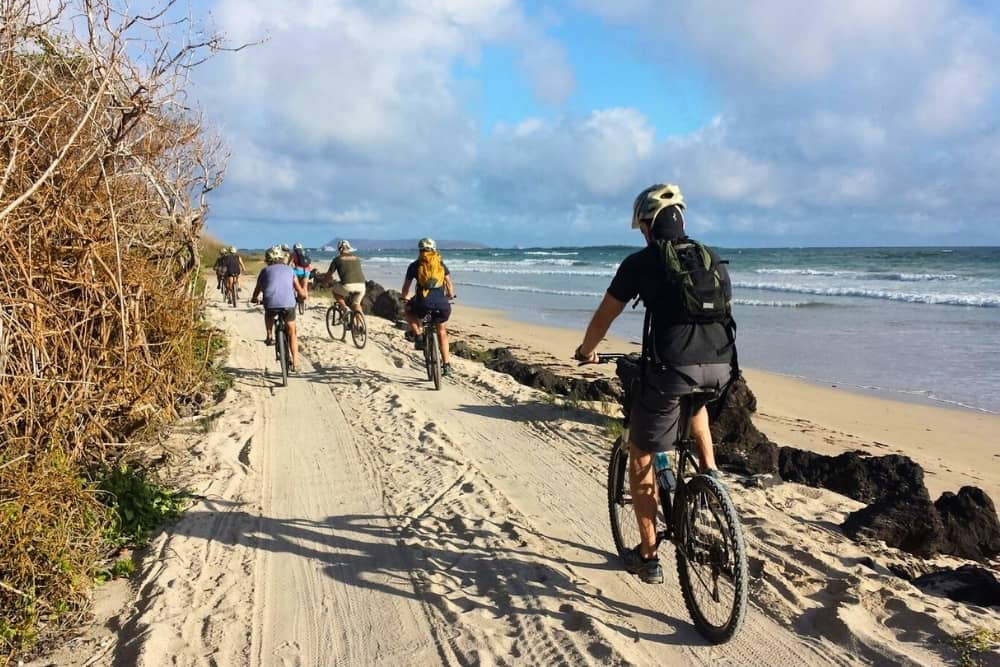
The level of physical activity during Galápagos Island tours ranges from easy to moderate. No advanced physical preparation or training is required, but if you have any health concerns or restrictions, please communicate them to your guide in advance so that they can provide the necessary support on the trail.
Other Recommendations
- For those who wear glasses, consider packing extra lenses in case of loss.
- If you have diabetes, make sure to bring your testing supplies and insulin.
- If anyone in your travel group has a respiratory condition, ensure you have an ample supply of inhalers. Keep them dry and secure during your trips and excursions.
- Given that seafood is prevalent on most restaurant menus in the Galápagos, those with seafood allergies should pack Epinephrine auto-injectors (EpiPens) or other allergy medications. Most restaurants do offer alternative options, but it’s wise to be prepared.
- If possible, if you have a medical condition or allergies, consider wearing a medical alert bracelet or necklace while in the Galápagos.
You now have a solid foundation of safety and health considerations before setting foot in the Galápagos. But knowing what to pack and what to leave at home is just as important as any logistical detail. For a complete breakdown of what to pack and what not to bring to the Galápagos, from reef-safe sunscreen to the right footwear for lava trails, read our Galápagos Islands Packing List.
Galápagos Packing List
Our detailed, printable PDF guides you through exactly what to pack for the Galápagos, from snorkeling essentials to sun protection, and what to leave behind for a smoother journey.
Visitor Sites We Recommend
- Sombrero Chino: This small islet off Santiago Island offers a scenic hiking trail with unique lava formations and excellent snorkeling opportunities. Cruise only.
- Punta Pitt: On San Cristóbal Island, it’s the only place where you can spot all three booby species: blue-footed, red-footed, and Nazca. Day tour from Puerto Baquerizo Moreno, or by cruise.
- Bachas Beach: Located on Santa Cruz Island, it’s a peaceful beach with sea turtle nesting sites and pink flamingos. Day tour by boat or by cruise.
- Tortuga Bay: A stunning white-sand beach on Santa Cruz Island, known for its marine iguanas and clear waters for swimming. Walking distance from Puerto Ayora.
- Kicker Rock: A distinctive rock formation off San Cristóbal Island, offering excellent snorkeling and diving with sharks and rays. Day tour from Puerto Baquerizo Moreno.
- Punta Espinosa: Located on Fernandina Island, this site is renowned for its large marine iguana population and lava formations. Cruise only.
- Urbina Bay: On Isabela Island, known for its unique underwater landscape and the chance to spot marine life like sea turtles and penguins. Cruise only.
- Sierra Negra: The second-largest volcanic crater in the world is located on Isabela Island, offering great hiking and breathtaking views. Day tour from Puerto Villamil.
- Wall of Tears: Located on Isabela Island, this massive stone wall was built by prisoners during the island’s former penal colony period in the 1940s and 1950s. Bike or walk from Puerto Villamil.

A Galápagos Islands vacation is more than a trip; it’s a privilege to experience one of the world’s most extraordinary natural sanctuaries. By understanding the regulations, respecting wildlife, and preparing wisely, you help protect this fragile ecosystem while creating memories to last a lifetime.

 3 Days
 Galapagos

Galápagos What to Know Before Your Trip: FAQs
What should you know before going to the Galápagos?
Budget for the USD 200 park fee and USD 20 Transit Control Card, fly from Quito or Guayaquil, expect luggage biosecurity checks, stay 6 feet (2 m) from wildlife, visit most sites with a certified guide, and carry some cash.
Is it safe to go to the Galápagos right now?
Yes. The Galápagos is one of the safest regions in Ecuador, with low crime and tightly managed tourism. Mainland advisories vary by province, so check your government’s latest guidance before you travel.
Is it safe to walk at night in the Galápagos?
Yes. The harbor towns of Puerto Ayora, Puerto Baquerizo Moreno and Puerto Villamil are relaxed and generally safe after dark. Stick to lit streets, use normal precautions and watch for sea lions sleeping on sidewalks and docks.
Do US citizens need a visa for the Galápagos?
No. US citizens can visit Ecuador, including the Galápagos, visa-free for up to 90 days. Bring a passport valid for at least six months, your return ticket, the USD 20 Transit Control Card and the USD 200 park fee.
What vaccinations do I need for the Galápagos?
No vaccinations are required to enter the Galápagos. Stay current on routine vaccines; the CDC also recommends hepatitis A and typhoid for most Ecuador travelers. Yellow fever applies to the Amazon, not the islands. Check with a travel clinic.
What is not allowed in the Galápagos?
You cannot touch, feed or chase wildlife, go closer than 6 feet (2 m), leave marked trails, fly drones without a permit, smoke at visitor sites, or take sand, shells, rocks, or plants. Single-use plastics are also restricted.
Can you flush toilet paper in the Galápagos?
In most places, no. Island plumbing and septic systems are fragile, so hotels, restaurants and many yachts ask you to place used toilet paper in the bin provided. Follow the sign in each bathroom.
Are there mosquitoes in the Galápagos?
Yes, mainly during the warm, wet season from January to May and near towns, mangroves and the humid highlands. Coastal visitor sites and boats have few. Pack a DEET or picaridin repellent and light long sleeves for evenings.
What can you bring back from the Galápagos?
Leave all natural items behind: sand, shells, lava, seeds and bones cannot leave the islands. Instead, buy from local makers, such as highland-grown coffee, artwork and textiles, so your purchase supports island families.
Ready to Plan Your Galápagos Islands Vacation?
Whatever you seek from your Galápagos Islands vacation, our expert travel designers guide you through what to know before going to Galápagos while creating seamless, meaningful experiences.
Related Posts