+593 99 128 3079
 Toll free: +1 866 987 0876


The Complete Galápagos Travel Guide: San Cristóbal Island
Witness sea lion colonies and dive the famous Kicker Rock on San Cristóbal, an enchanted isle known for exotic wildlife, rich history, and endless adventure
Out of all the islands in the Galápagos archipelago, San Cristóbal has a rich history you won’t find elsewhere. The easternmost island, it was formed between 2.4 and 4 million years ago and is the site where Charles Darwin first stepped ashore in 1835. There are plenty of unique landmarks too, like El Junco, the archipelago’s only freshwater lake. And the capital, Puerto Baquerizo Moreno, is an easygoing harbour town where sea lions outnumber the benches they sleep on.
This complete San Cristóbal Island guide covers these highlights and more, from the premier dive site of Kicker Rock to the sea lion colonies of La Lobería and the giant tortoise reserve at La Galapaguera. You’ll also discover the best places to eat and relax after a long day of adventures. Whether you arrive by flight, cruise, or on a luxury island-hopping route, it will help ensure your grand Galápagos journey is one for the books.
Table of Contents
San Cristóbal Island: Fast Facts
- Population: San Cristóbal is home to around 6,000 residents, most of whom live in the main town of Puerto Baquerizo Moreno, a welcoming community known for its friendliness.
- Size: Spanning 214 square miles (558 sq km), San Cristóbal is the fifth-largest island in the Galápagos, offering diverse landscapes for exploration.
- Location: Situated at the eastern end of the archipelago, San Cristóbal is southeast of Santa Cruz Island and northeast of Floreana Island, making it an ideal starting point for Galápagos adventures.
- Main Town: Puerto Baquerizo Moreno, the capital of both San Cristóbal Island and the Galápagos archipelago, enchants visitors with its calm atmosphere, waterfront promenade, and diverse culinary options.
- Economy: Tourism, fishing, and agriculture drive San Cristóbal’s economy. White sand beaches and marine life attract visitors, while local industries contribute to sustainable development.
- Conservation: San Cristóbal is committed to preserving the Galápagos ecosystem. The National Park Directorate and the Charles Darwin Foundation protect biodiversity and conduct scientific research.
- Wildlife: San Cristóbal Island teems with remarkable wildlife, including giant tortoises, sea lions, marine iguanas, frigatebirds, and seabirds.
- Natural Wonders: The coastal tuff cone of Cerro Brujo features volcanic formations and a white sand beach, while Punta Pitt offers divine sea views and sightings of red-footed boobies.
- Transportation: San Cristóbal is easily accessible by air and sea. The San Cristóbal Airport provides domestic flights, and ferries offer inter-island transport, ensuring efficient exploration of the archipelago.

Things To Do on San Cristóbal Island: Points of Interest
NOTE: Refer to the map at the end of the San Cristobal Island Guide to locate all the sites.
San Cristobal Interpretation Center
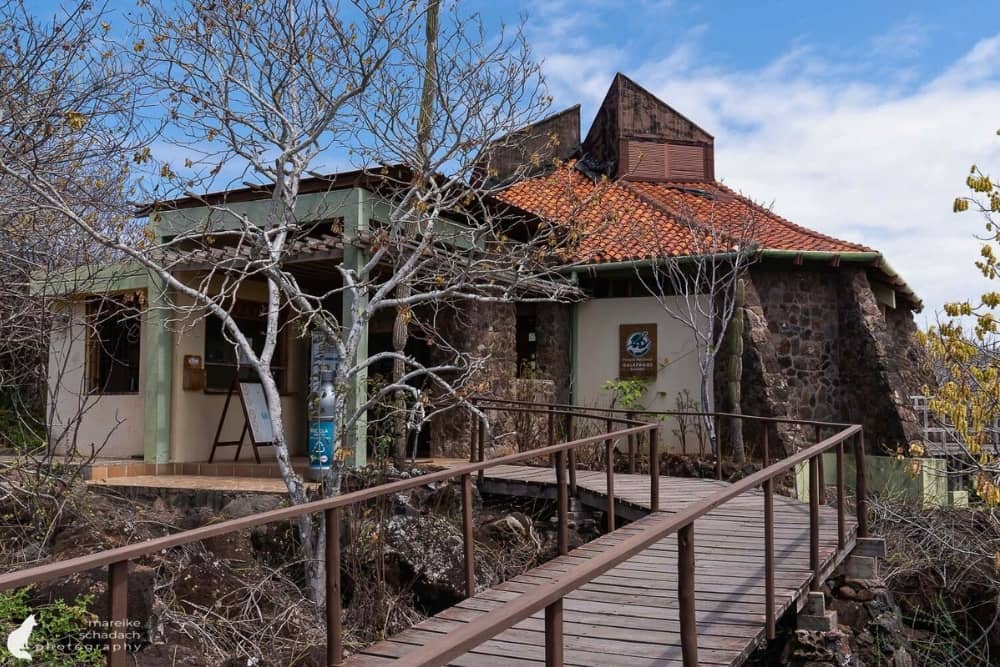
Located about 1.2 miles (2 km) southwest of Puerto Baquerizo Moreno, the San Cristóbal Interpretation Center offers exhibits on the natural history, human settlement, and conservation of the Galápagos Islands. After visiting the center, travelers can continue along nearby trails to Playa Punta Carola and Playa Mann while spotting native plants, lava lizards, and seabirds along the way.
Punta Carola
Located just west of Puerto Baquerizo Moreno, Punta Carola is one of San Cristóbal’s most popular beaches for surfing, snorkeling, and wildlife viewing. Sea lions are common on the beach, while marine iguanas, pelicans, frigate birds, and sea turtles can often be spotted along the shore. The beach is also known for its scenic lighthouse and excellent sunset views.

Las Tijeretas
Located near the Interpretation Center, Las Tijeretas is one of the best snorkeling spots on San Cristóbal. The sheltered bay is home to sea lions, tropical fish, sea turtles, and other marine life, while nearby trails lead to a hidden-treasure viewpoint overlooking the coastline, Kicker Rock, and the Pacific Ocean. The area is also known for its nesting frigatebirds, from which it takes its name.

La Loberia Beach
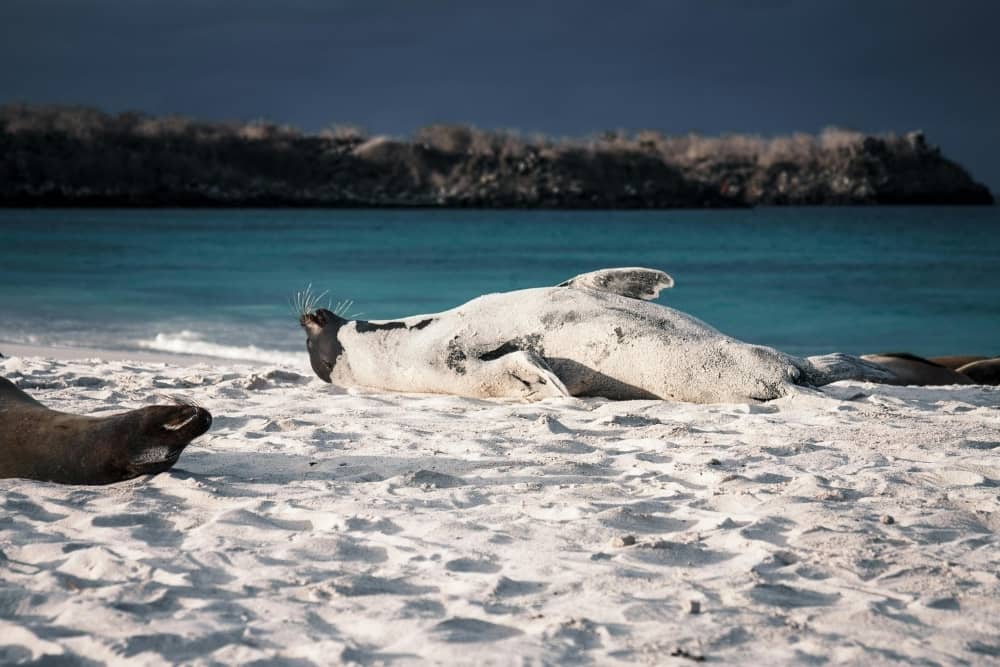
Located about 1.2 miles (2 km) south of Puerto Baquerizo Moreno, La Lobería is a long sandy beach known for its resident sea lion colony, excellent snorkeling, and surf-friendly waves. Snorkelers can often spot tropical fish, sea turtles, and other marine life in the clear waters, making it one of the island’s most popular beach destinations.

Playa Mann
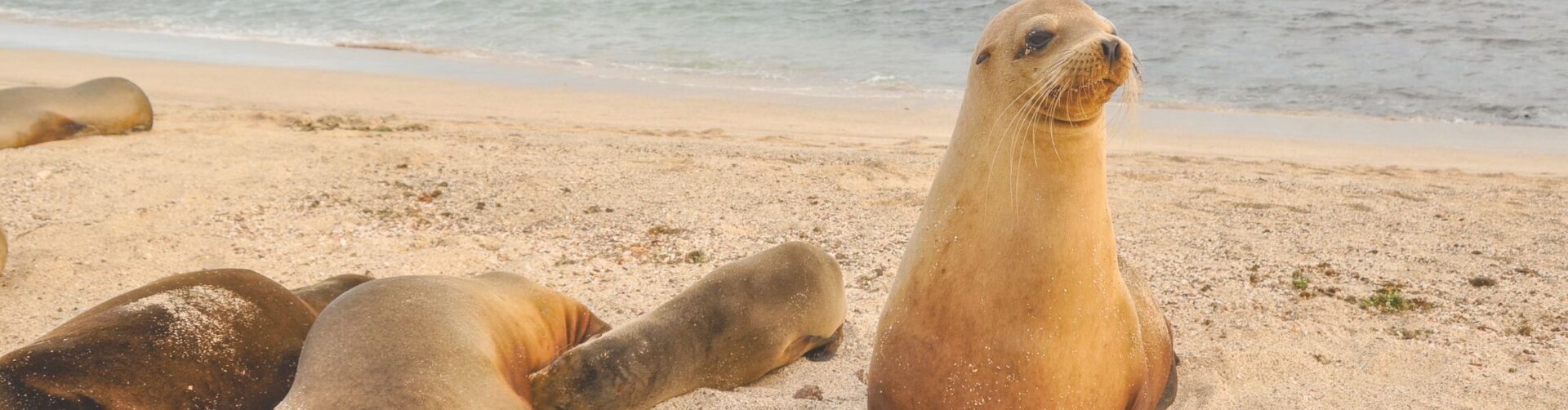
Another top spot to visit friendly sea lions is Playa Mann. The colonies are so big on this beach that sometimes the animals outnumber the people. Conveniently located close to town and adjacent to the main road, Playa Mann is easily accessible and also a great swimming spot. To reach this postcard destination, follow the same road leading to the San Cristóbal Interpretation Center. The journey takes approximately 20 minutes on foot.

Puerto Chino Beach
Located about 15 miles (24 km) from Puerto Baquerizo Moreno, Puerto Chino is one of San Cristóbal’s most secluded and scenic beaches. Fringed by white sands and home to volcanic landscapes, it offers a peaceful setting for swimming, relaxing, and wildlife spotting away from the island’s more popular beaches. Expect to see marine iguanas, sea lions, blue-footed boobies, frigatebirds, and more.
El Junco Lagoon
Located about 12 miles (19 km) from Puerto Baquerizo Moreno, El Junco is the only permanent freshwater lake in the Galápagos Islands. Set in the highlands of San Cristóbal at an elevation of 2,133 feet (650 m), the crater lake attracts frigatebirds, which can often be seen dipping into the water to rinse salt from their feathers. The surrounding viewpoints offer sweeping views of the island’s verdant interior.

La Galapaguera Tortoise Habitat
Located in the highlands of San Cristóbal, La Galapaguera de Cerro Colorado is a breeding and conservation center for the island’s endemic giant tortoises. Visitors can observe tortoises of different ages in a semi-natural environment while learning about ongoing efforts to protect and restore wild populations.
Kicker Rock (Leon Dormido)
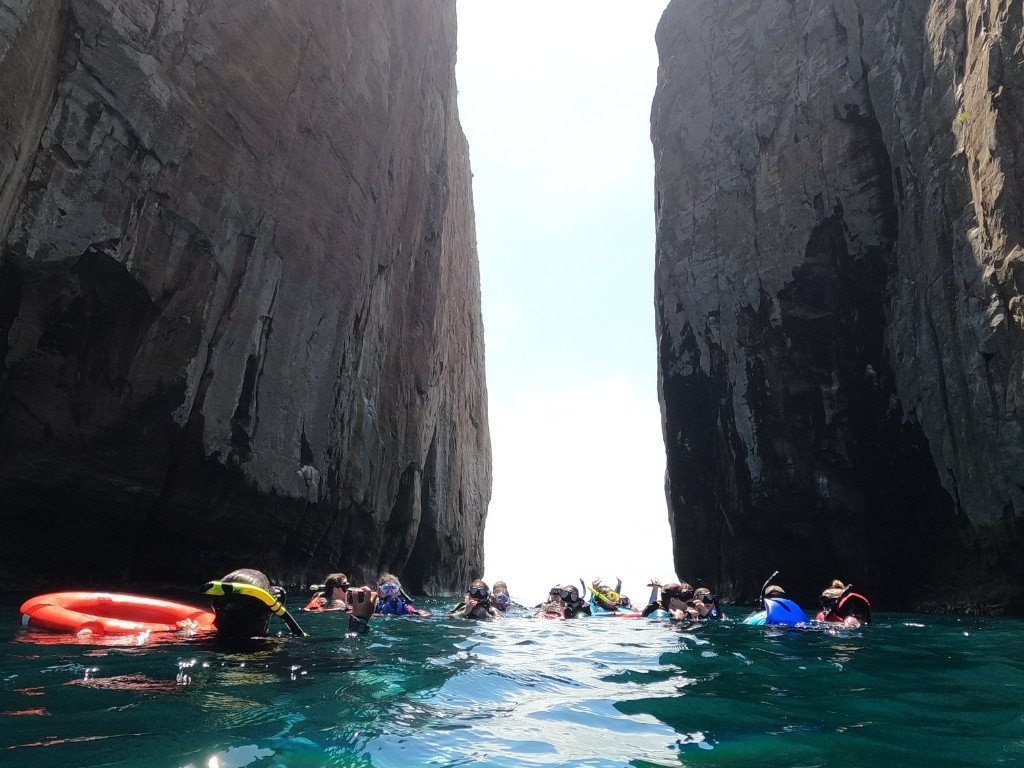
Rising 486 feet (148 m) above the ocean, Kicker Rock (León Dormido) is one of the most iconic landmarks in the Galápagos and a premier destination for snorkeling and diving. The narrow channel between the towering rock formations is home to hammerhead sharks, Galápagos sharks, sea turtles, eagle rays, and large schools of tropical fish. Blue-footed boobies, frigatebirds, pelicans, and sea lions are also commonly seen around the site.
Most visitors reach Kicker Rock on a half-day boat tour from San Cristóbal. For a personalized experience, contact one of our travel experts.
Isla Lobos
Located about 6 miles (10 km) north of San Cristóbal, Isla Lobos is a small islet known for its large sea lion colony and abundant birdlife. Visitors can snorkel alongside sea lions and spot blue-footed boobies, frigatebirds, marine iguanas, and lava lizards along the island’s trails. Access is only permitted as part of a guided tour.
San Cristóbal Island: Restaurant Guide
During your sojourn on San Cristobal Island, take the opportunity to savor the island’s cuisine. To assist you, Rebecca Adventure Travel has conducted thorough research and compiled a list of the island’s best restaurants.
NOTE: Refer to the map at the end of the San Cristobal Island Guide to locate all the restaurants.
El Descanso Marinero
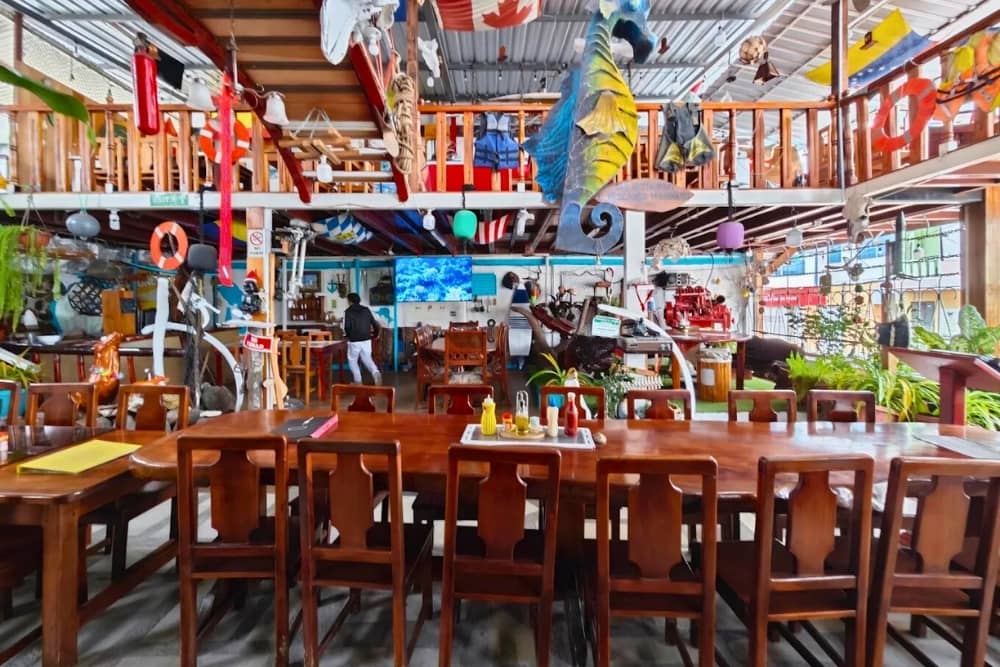
Situated close to Playa Mann, El Descanso Marinero is renowned for its cozy surfer ambiance and delectable seafood. The menu revolves around the day’s catch, ensuring the freshest flavors. Main courses typically range from 15 to 25 USD. The lobster is absolutely delicious here!
Mockingbird Cafe
When in search of a satisfying Ecuadorian lunch, look no further than the Mockingbird Cafe. Priced at approximately 5 USD, their regular lunch menu features a delightful combination of soup, juice, and a main course.
Cri’s Burgers
Cri’s is a gem on the main strip, loved by locals and tourists alike, offering an extensive menu of diverse dishes. While the establishment serves various cuisines, the specialty here is the mouth-watering burgers. With reasonable prices compared to other establishments, CRI’s is an excellent option for lunch or dinner.

Giuseppe’s Restaurant
For an unforgettable culinary experience, Giuseppe’s Restaurant awaits. Diners love its delectable pizzas, pastas, fresh seafood, pastries, croissants, and cookies. The service is impeccable, and some days, the restaurant serves breakfast.
Post Office Food & Beer
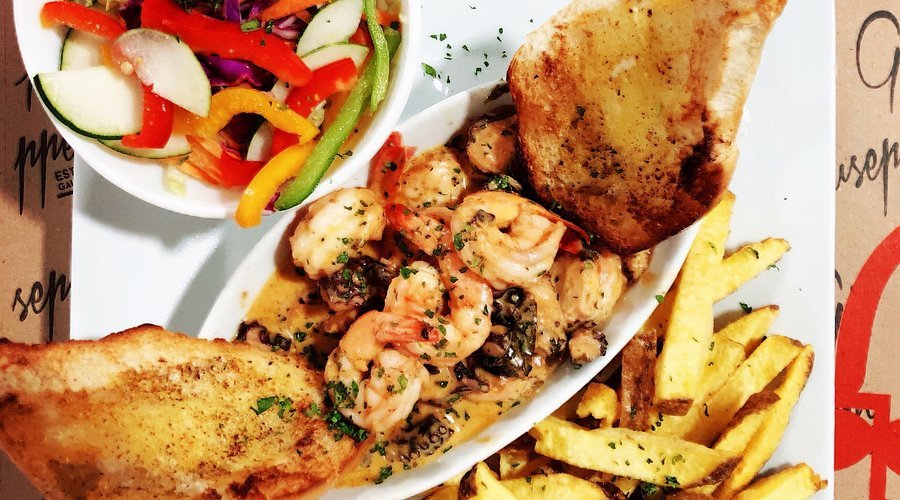
Located right on the Malecón (waterfront) in Puerto Baquerizo Moreno on San Cristóbal Island, this restaurant and bar has spectacular ocean views. The menu features a variety of food, including burgers and tacos, plus craft beer and cocktails. The restaurant is known for its signature Golden Prague beer.
Hotel Indigo Galápagos Dining
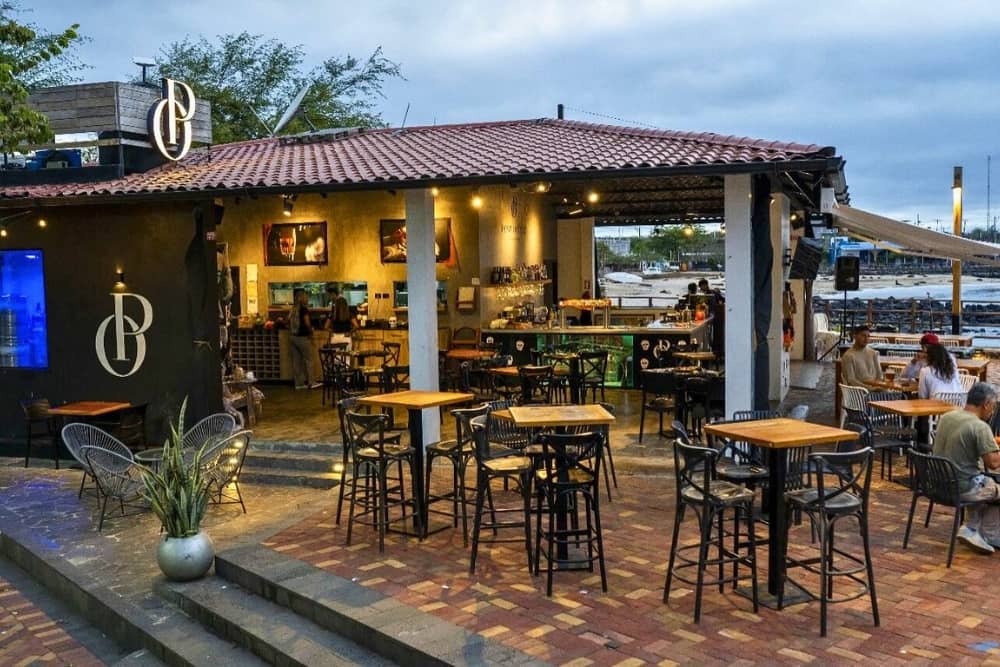
Located within Hotel Indigo Galápagos, this oceanfront dining venue offers several options ranging from casual drinks to full-service meals. Guests can enjoy views of the Pacific while sampling local seafood and internationally inspired cuisine.
Other eating/drinking establishments in Hotel Indigo include:
Darwin’s Secret: This restaurant serves a global fusion menu inspired by the Galápagos Islands and the sea. The menu emphasizes locally sourced ingredients and is open for breakfast, lunch, and dinner.
Lantana Bar: Located beside the pool deck, the Hotel Indigo bar offers cocktails, wine, beer, and light snacks in a relaxed setting. It’s a popular spot for a sunset drink or a casual break between island excursions.
Travel Guide to Santa Cristóbal Map
San Cristóbal Island Travel Guide: FAQs
What is the capital of the Galápagos Islands and where is it located?
The official capital of the Galápagos Islands is Puerto Baquerizo Moreno, which is located on San Cristóbal Island. It’s a charming fishing village in the eastern part of the archipelago.
What are some of the natural highlights on San Cristóbal Island?
Key natural sites include Cerro Brujo, a beach with volcanic formations, Las Tijeretas, known for frigatebirds, and La Loberia Beach, a popular spot for sea lions. The San Cristóbal Interpretation Center is also a great place to learn about the islands’ history and wildlife.
What kind of wildlife can I see on San Cristóbal Island?
San Cristóbal is teeming with wildlife, including giant tortoises, sea lions, blue and red-footed boobies, marine iguanas, frigatebirds, and various other seabirds.
How big is San Cristóbal Island, and what is its population?
San Cristóbal is the fifth-largest island in the Galápagos, spanning 215 square miles (558 sq km). It has a population of around 6,000 residents, making it a welcoming community.
How can I get around San Cristóbal Island?
San Cristóbal is easily accessible by air and sea. The San Cristóbal Airport offers domestic flights, and ferries provide inter-island transportation. For traveling the island, in town you can primarily get around on foot, or use taxis for longer distances.
Ready to Plan Your Journey to San Cristóbal?
San Cristóbal’s blend of wildlife, history, and unhurried island pace makes it a natural first or final stop. Pair it with the neighbouring islands by cruise, or hop between them on land, and our team will design the route around the encounters that matter most to you.