 +593 99 128 3079
 Toll free: +1 866 987 0876


Everything to Know About Antarctica Luxury Travel
Your guide to Antarctica — tailor-made expeditions across glaciers, wildlife colonies and polar landscapes with purpose.
WHY ANTARCTICA
The Last Great Wilderness on Earth
Antarctica is not a destination — it is a transformation. The seventh continent holds 70% of the world’s fresh water locked in ice sheets up to 4.8 kilometers thick. It has no permanent human population, no government, and no cities — only research stations, penguin colonies by the million, and a silence so profound it reshapes the way you think about the world.
At Rebecca Adventure Travel, we curate Antarctica luxury travel: expedition voyages with carefully selected polar operators who share our commitment to responsible travel. As a certified B Corporation, we ensure every expedition adheres to IAATO protocols, minimizes environmental impact, and connects travelers with the science and conservation efforts that protect this pristine continent for future generations.
Why Book Your Antarctica Trip With Us

4.9 from 900+ reviews
On Tripadvisor, Google and Trustpilot

Award-winning operator
World Travel Awards 2023, Tripadvisor Travelers’ Choice 2016–2021

Certified B Corporation
Verified by B Lab since 2024

10,000+ travelers since 2014
Every trip planned by destination experts
QUICK FACTS
Antarctica at a Glance
If you’re just starting to dream about your trip, let’s get you oriented with these essential Antarctica facts to help you plan the perfect journey.
Location
South of 60°S
Sovereignty
Antarctic Treaty (1959)
Voayeges From
$8,000 USD
Population
0 permanent
Season
Nov – Mar only
How Do I Get to Antarctica?
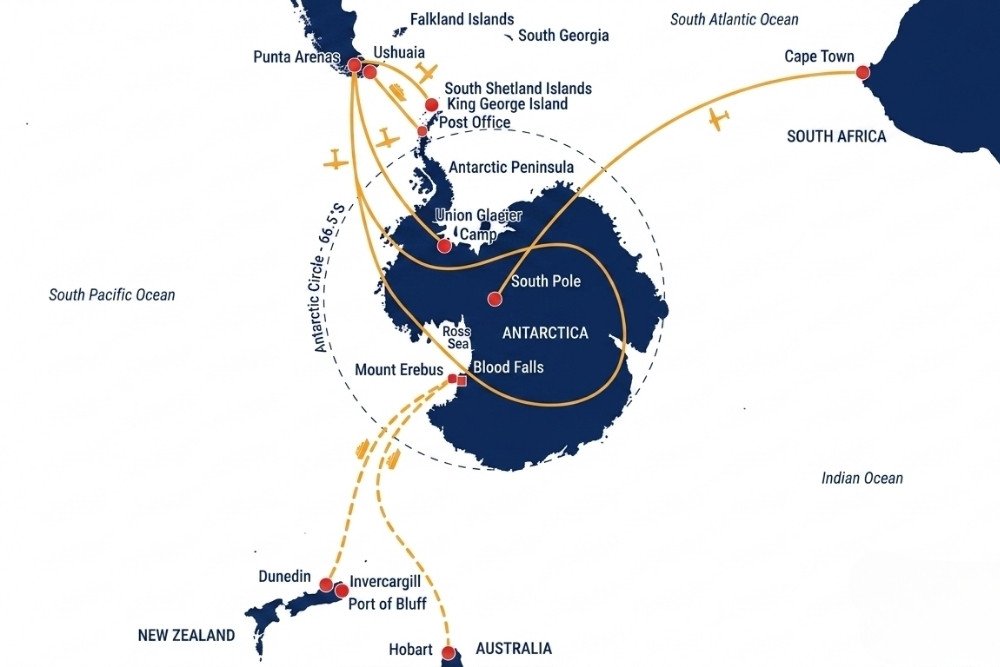
Almost all Antarctic expeditions depart from Ushuaia, Argentina — the world’s southernmost city, located on the Beagle Channel in Tierra del Fuego. Some voyages also depart from Punta Arenas, Chile, with a flight over the Drake Passage to King George Island (avoiding the open-water crossing entirely).
The Drake Passage crossing from Ushuaia takes approximately 36–48 hours each way, crossing some of the most powerful ocean currents on Earth. It is both a rite of passage and a wildlife spectacle — albatross, petrels, and whales are frequent companions.
Antarctic Expedition Routes
- Antarctic Peninsula (Classic): The most popular route — 10–12 days from Ushuaia, visiting penguin colonies, research stations, and calving glaciers along the western Peninsula. Two Drake crossings included. The best introduction to Antarctica.
- South Georgia & Falklands: A longer 18–22 day voyage that adds South Georgia’s king penguin colonies (over 100,000 pairs), elephant seal beaches, and Shackleton’s grave, plus the Falkland Islands’ remote British culture and rockhopper penguins.
- Antarctic Circle Crossing: A deeper Peninsula voyage (12–14 days) that crosses the Antarctic Circle at 66°33’S — a rare achievement that fewer than 5% of Antarctica visitors accomplish. Extended landings and polar midnight light.
- Fly-Cruise (Drake Avoidance): Fly from Punta Arenas to King George Island in 2 hours, then board your expedition vessel on the Peninsula itself. 8–10 days total, with maximum time on the continent and no Drake Passage crossing.
Choosing Your Expedition Vessel
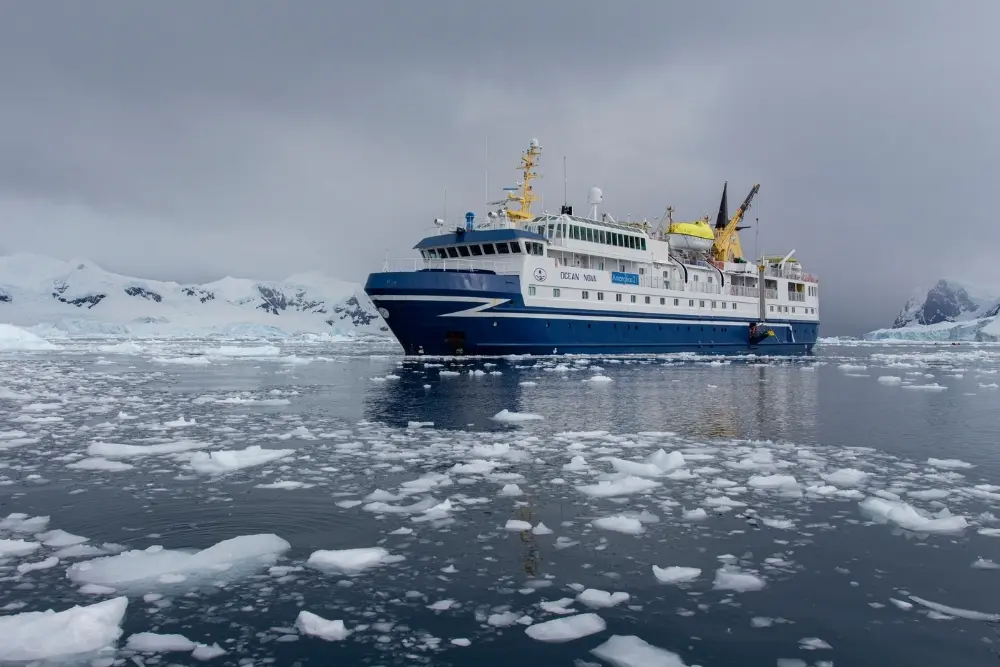
Expedition Ships (100–200 passengers)
The sweet spot for most travelers. Large enough for stability in the Drake Passage, small enough for meaningful landings (IAATO limits shore landings to 100 people at a time). Onboard experts include marine biologists, glaciologists, ornithologists, and historians.
Small Expedition Vessels (under 100 passengers)
The most intimate polar experience. Fewer passengers mean more landing time, more flexibility in itinerary, and a closer connection with the expedition team. Higher price point but unmatched access and exclusivity.
Luxury Expedition Ships
Five-star comfort meets polar exploration. Suites with private balconies, spa facilities, fine dining, and butler service — combined with Zodiac excursions, kayaking, and expert-led landings. For travelers who want the Antarctic experience without roughing it.
When Is the Best Time to Visit Antarctica?
The Antarctic expedition season runs from November through March — the Southern Hemisphere’s summer, when 24-hour daylight illuminates the ice and wildlife is at its most active. Each month offers different wildlife highlights, and choosing when to go shapes the entire experience.
Outside of these months, Antarctica is plunged into polar darkness, extreme cold, and pack ice that makes ship access impossible. All expeditions operate within this narrow seasonal window.
Early Season
NOV -DEC
28°F / -2°C
Pristine Ice
Untouched snow, dramatic icebrgs
Penguin courtship & nesting begins
Seal pupping seasons starts
Peak Season
JAN – FEB
37°F / 3°C
Maximum Wildlife
Penguin chicks hatching
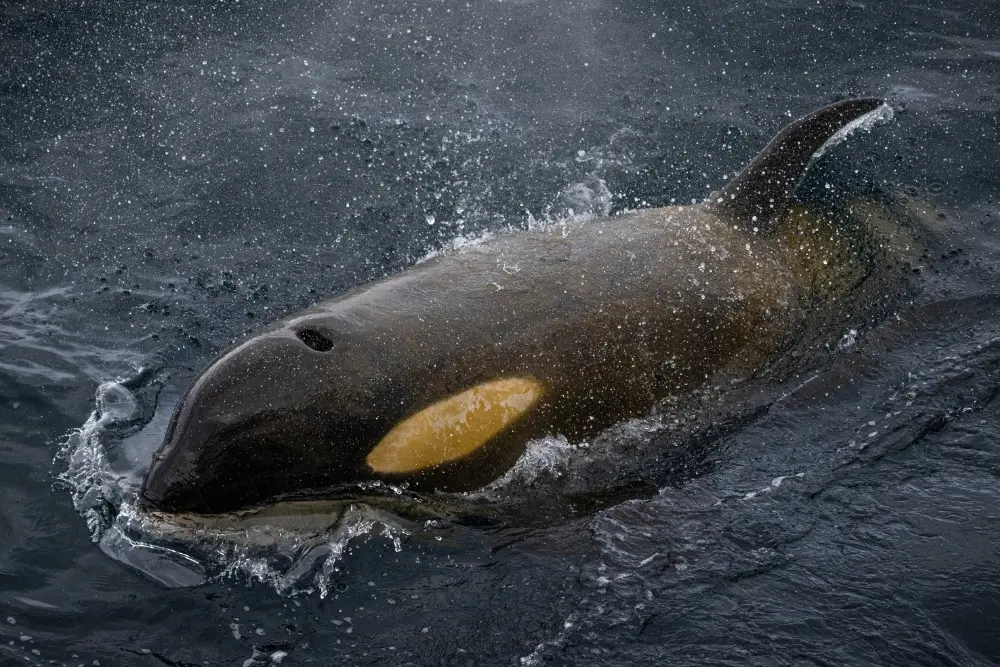
Whale feeding – humpbacksd & orcas
Warmest temps, longest daylight
Late Season
FEB – MAR
32°F / 0°C
Whale Peak
Best whale watching of the season
Penguin chicks fledging
Dramatic sunsets return
Off Season
APR – OCT
-40°F / -40°C
No Access
Polar darkness, extreme cold
Pack ice blocks all ship access
Research stations only
DISCOVER
Why Visit Antarctica?
The Most Pristine Place Left on Earth
Antarctica has no indigenous population, no industry, no agriculture. It is the only continent governed entirely by an international treaty dedicated to peace and science. The air is the cleanest on Earth, the water the purest, and the ice holds a climate record stretching back 800,000 years. To visit is to witness a world untouched by human history — and to understand, viscerally, why protecting it matters.
Wildlife Without Fear
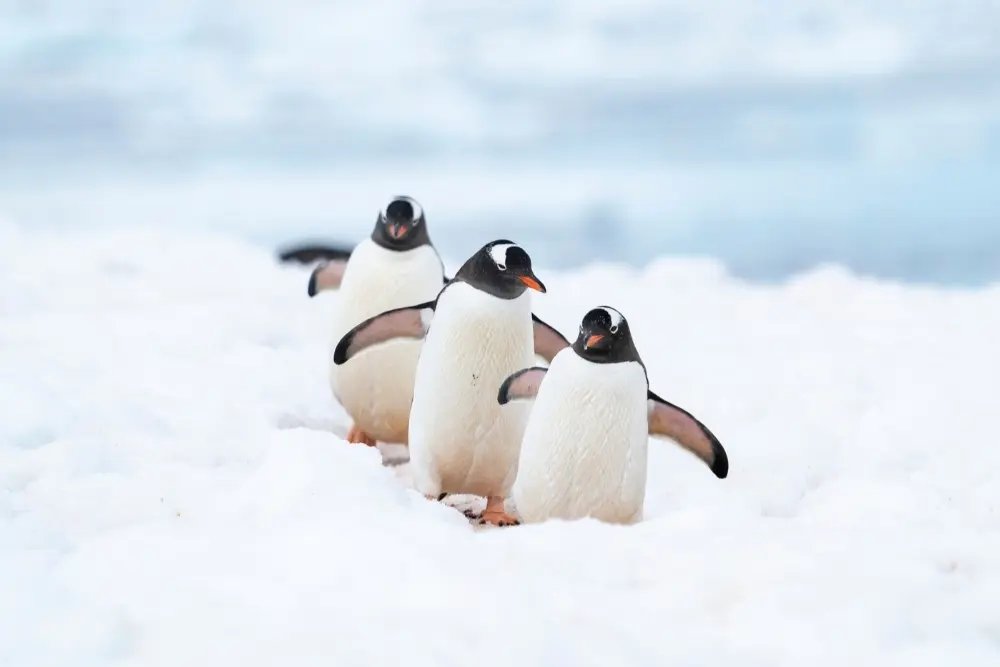
Antarctic wildlife has never learned to fear humans. Gentoo, chinstrap, and Adélie penguins waddle within arm’s reach. Leopard seals lounge on ice floes, observing you with curious indifference. Humpback whales surface beside Zodiacs, their breath hanging in the frozen air. It is the closest you can come to experiencing the natural world as it existed before humanity..
Landscapes Beyond Imagination
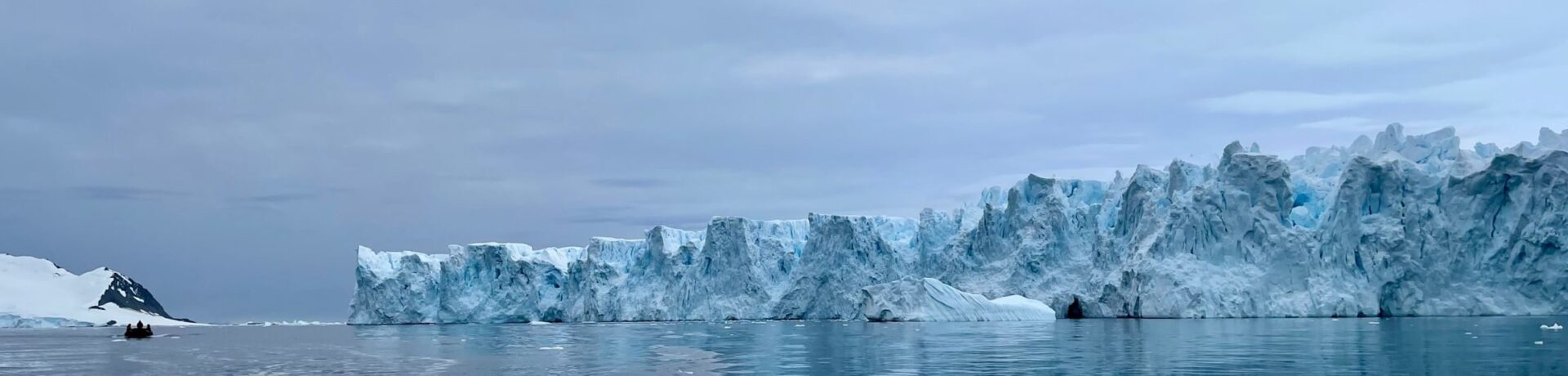
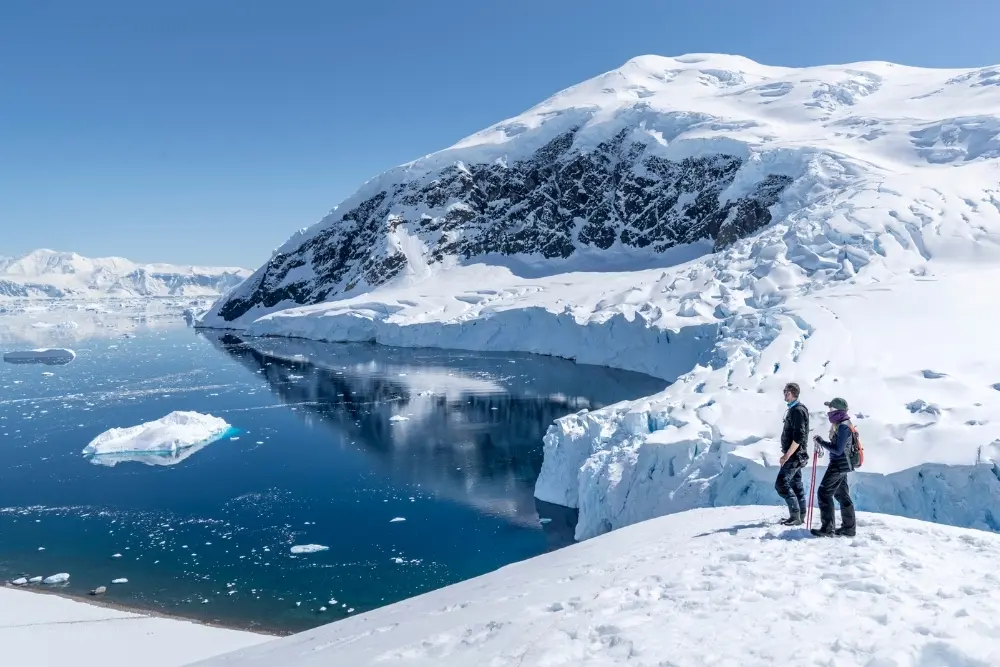
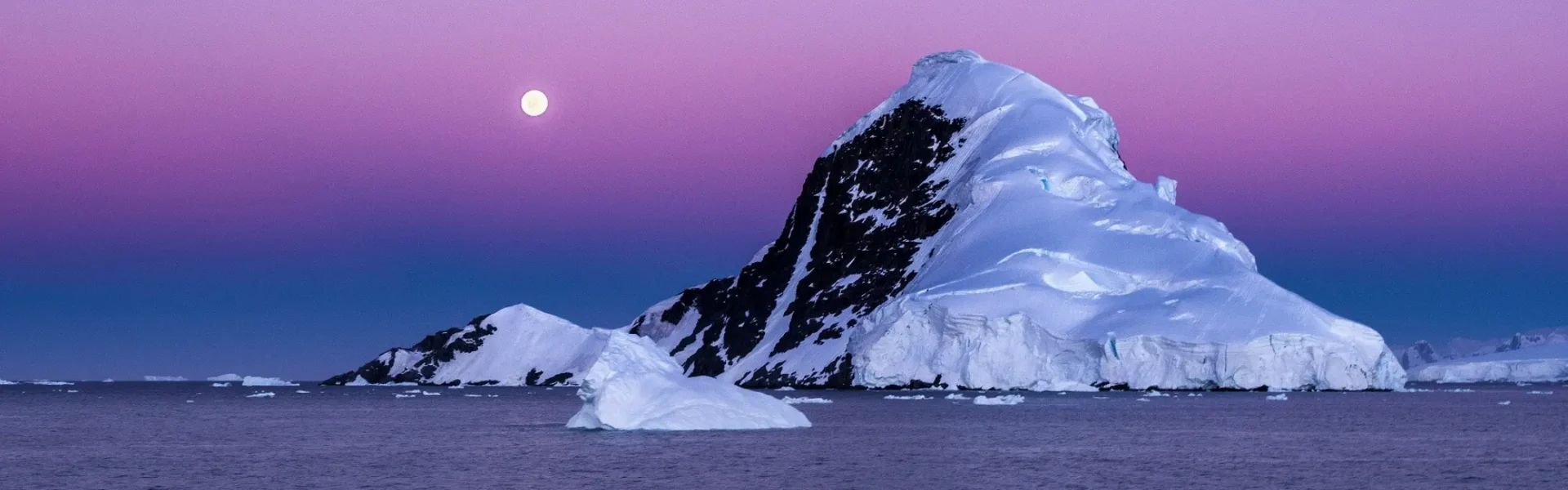
No photograph prepares you for Antarctica. Tabular icebergs the size of city blocks glow in impossible shades of blue. Glaciers calve with thunderous booms that echo across silent bays. Volcanic peaks rise from frozen seas, and channels narrow between ice walls that tower above your ship. It is a landscape that rewrites your sense of scale.
An Expedition, Not a Holiday
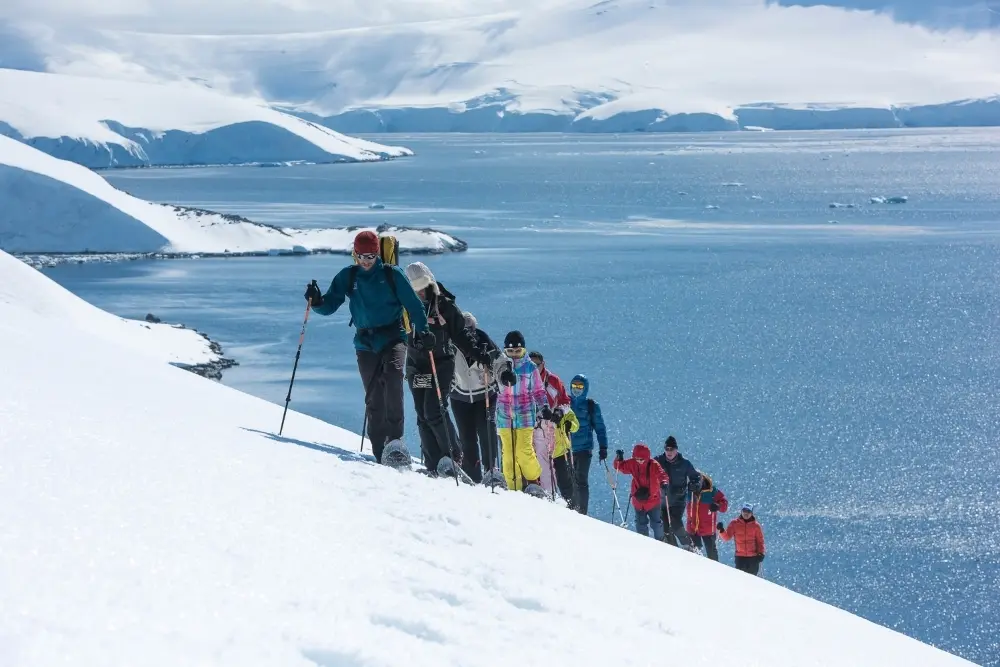
This is not passive travel — it is active exploration. Daily Zodiac excursions, shore landings on remote beaches, optional kayaking among icebergs, polar plunges into sub-zero water, and expert lectures from glaciologists, marine biologists, and polar historians. Every day is different; every landing is determined by weather, ice, and wildlife. The unpredictability is the point
WAYS TO EXPLORE
Antarctic Expedition Types
Antarctica’s awe-inspiring mystery is revealed through several distinct ways to explore, each offering its own pace, perspective, and icy wonder. Most travelers choose between a classic expedition cruise or a flight-bridge journey. Select a style below to see what it offers:
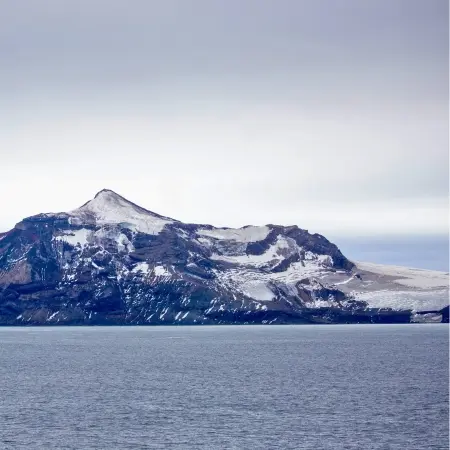
Antarctic Peninsula (Classic)
The most accessible and popular route to Antarctica. Departing from Ushuaia, expedition vessels cross the Drake Passage and spend 4–5 days exploring the western Antarctic Peninsula — a labyrinth of channels, bays, and islands teeming with penguin colonies, seal haul-outs, and calving glaciers.
- Gentoo, chinstrap & Adélie penguin colonies
- Daily Zodiac excursions and shore landings
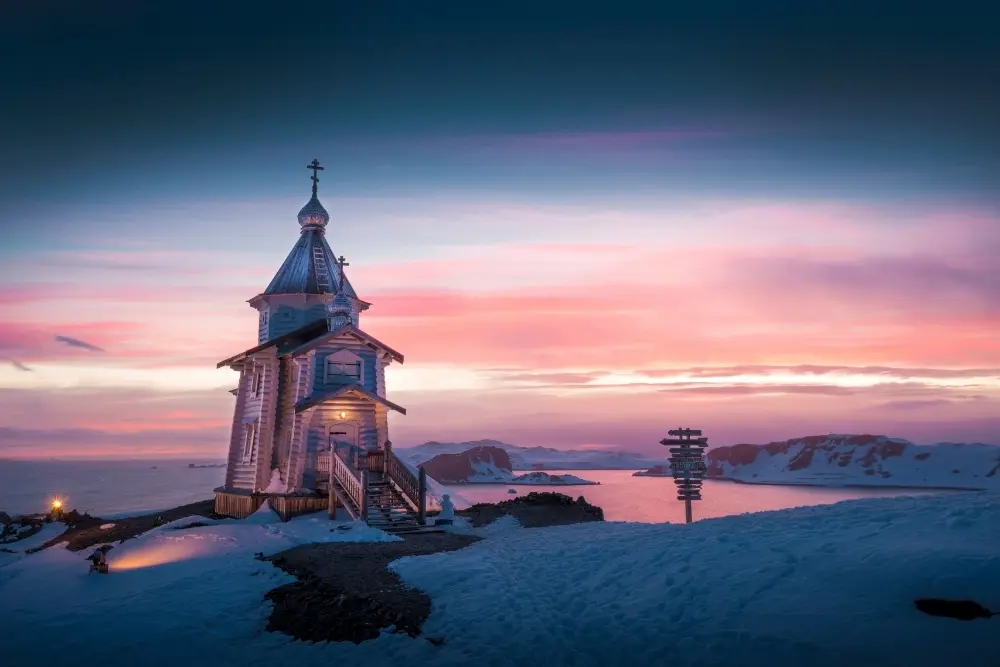
- Research station visits
- Humpback whale encounters
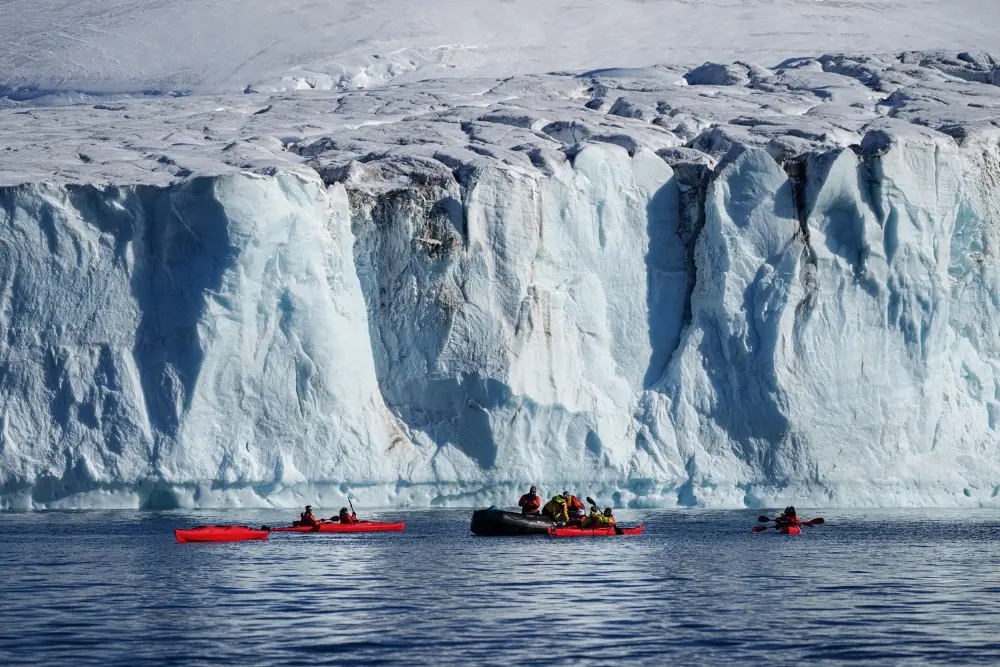
Lemaire Channel & Island Landings
The Lemaire Channel — nicknamed “Kodak Gap” — is a narrow passage between towering ice cliffs and mountain peaks, considered the most photogenic waterway in Antarctica. Peninsula expeditions navigate through it alongside visits to Paradise Harbor, Neko Harbor, and Deception Island’s volcanic caldera.
- Lemaire Channel navigation
- Paradise Harbor Zodiac cruising
- Deception Island volcanic caldera
- Neko Harbor continental landing
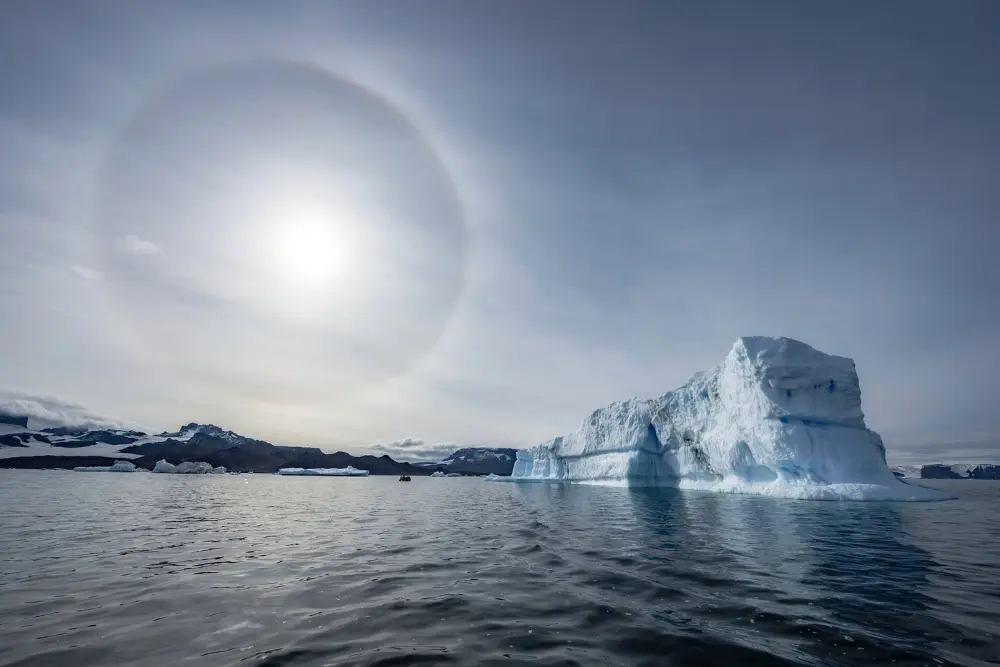
Antarctic Circle Crossing
A deeper Peninsula expedition that pushes south of 66°33’S — the Antarctic Circle. Fewer than 5% of Antarctic visitors achieve this milestone. Extended time in the deep south brings 24-hour daylight, massive tabular icebergs, and the extraordinary sensation of reaching a latitude most humans never experience.
- Cross the Antarctic Circle at 66°33’S
- 24-hour polar daylight
- Massive tabular icebergs
- Extended deep-south landings
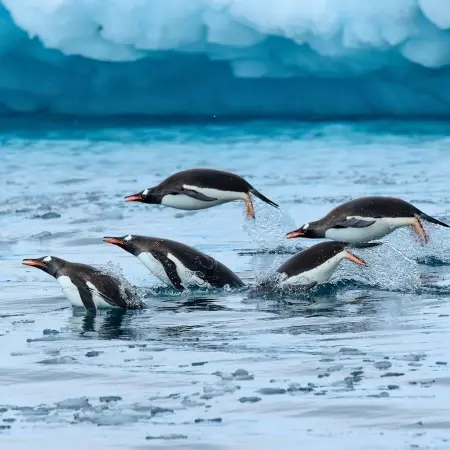
South Georgia & Falkland Islands
The ultimate polar wildlife expedition. South Georgia hosts the largest king penguin colony on Earth — over 100,000 breeding pairs at Salisbury Plain — alongside massive elephant seal beaches, wandering albatross nesting sites, and Shackleton’s final resting place at Grytviken. The Falkland Islands add rockhopper penguins and British colonial charm.
- King penguin colonies (100,000+ pairs)
- Elephant seal beaches
- Shackleton’s grave at Grytviken
- Falkland Islands rockhopper penguins
VISUAL JOURNEY
Antarctica in Pictures
YOUR JOURNEY STARTS HERE
Ready to Plan Your Antarctic Expedition?
Whether you dream of penguin colonies, glacier kayaking, or crossing the Antarctic Circle, our polar specialists design expeditions with purpose — every detail handled with care.
CURATED EXPEDITIONS
Antarctic Voyages
Hand-selected expedition voyages with IAATO-certified operators — from classic Peninsula crossings to epic South Georgia circuits.
 18 Days
 Antarctica
BE PREPARED
What Should I Pack for Antarctica?
Ecuador’s four climatic zones mean layering is key. Here are the essentials — plus download our complete packing checklist.
LIFE ONBOARD
What to Expect on Your Expedition Ship
Antarctic expedition vessels are floating base camps — comfortable, purposeful, and designed for polar exploration with expert teams onboard.
Daily Zodiac Excursions
2-3 shore landings or cruise per day.
Expert Lecture Program
Marine biologist, galciologists & historians.
All-Inclusive Dining
Multi-course meals with wine & cocktails.
ONBOARD EXPERIENCE
Dining & Wellness at Sea
Modern expedition ships offer far more than functional meals — expect multi-course dining, curated wine lists, and wellness facilities between excursions.

Multi-Course Dining
Expedition ships serve restaurant-quality meals featuring regional Patagonian ingredients — king crab, lamb, and South American wines. Buffet breakfasts and lunches fuel active days; sit-down dinners celebrate each day’s discoveries.
Observation Lounges
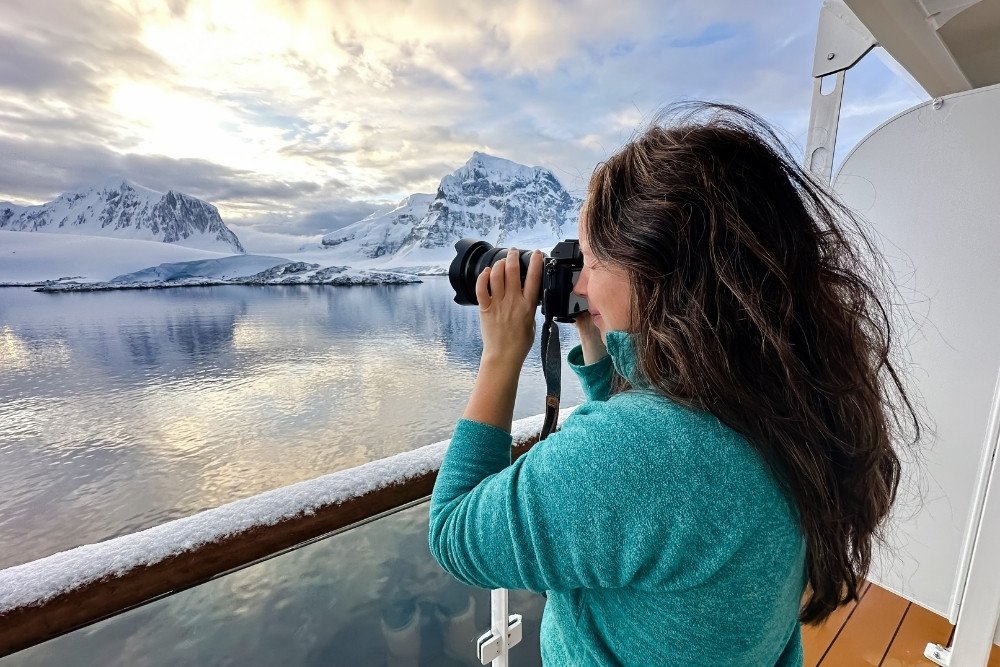
Floor-to-ceiling windows offer uninterrupted views of the Antarctic landscape while you warm up with hot chocolate or a pisco sour. Many vessels feature heated outdoor decks for whale watching and iceberg spotting between landings.
Wellness & Recovery
After a day of Zodiac excursions and polar plunges, luxury vessels offer saunas, hot tubs with glacier views, spa treatments, and fitness facilities. The perfect counterpoint to the day’s adventures on the ice.
COMMON QUESTIONS
Frequently Asked Questions
How many days do you need to explore Antarctica?
Exploring Antarctica typically requires 7 to 14 days. The duration depends on the type of expedition, weather conditions, and the number of landing sites available for exploration.
What is the best way to travel around Antarctica?
Travel in Antarctica is primarily done via expedition cruises and guided zodiac boat excursions. Some areas also offer opportunities for hiking, kayaking, and even polar camping, depending on weather conditions.
Which adventure activities can I do in Antarctica?
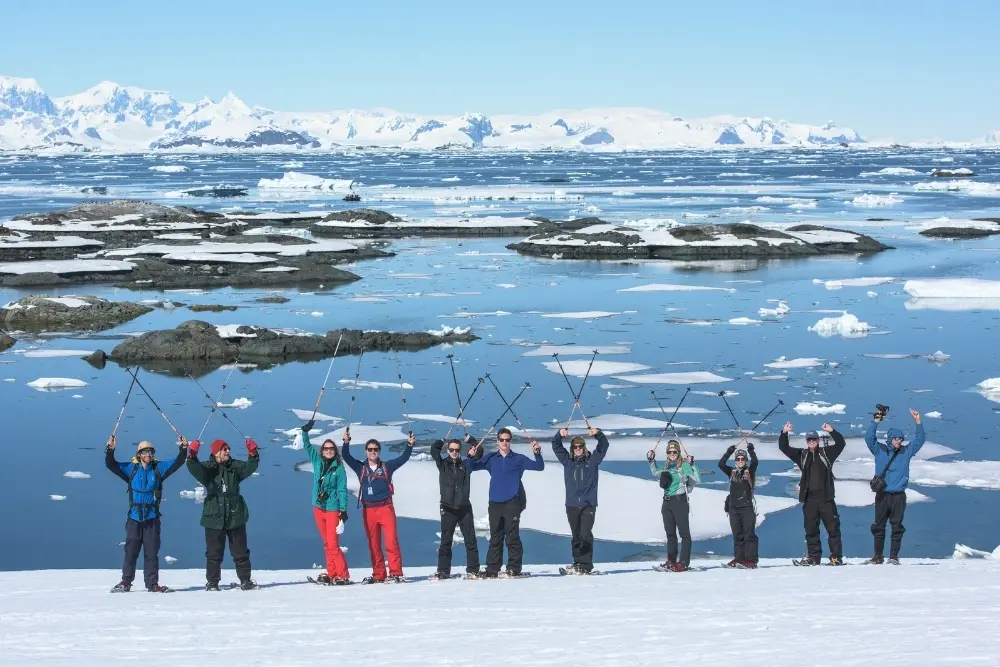
Adventure travel in Antarctica includes kayaking through icy waters, hiking across glacial landscapes, mountaineering, scuba diving under the ice, wildlife watching, and even overnight camping on the continent.
What are Antarctica’s sustainable practices?
Antarctica is governed by the Antarctic Treaty, which prioritizes environmental protection. Strict guidelines regulate tourism, scientific research, and wildlife conservation to ensure minimal human impact on this fragile ecosystem.
What are some family-friendly activities available in Antarctica?
While Antarctica is a challenging destination for families, children on expedition cruises can enjoy wildlife spotting, educational programs led by onboard experts, and interactive experiences such as visiting research stations and observing penguin colonies.
How much does an Antarctic expedition cost?
Classic Peninsula voyages start around $8,000, while South Georgia or fly-cruise options range from $12,000 to $25,000. These all-inclusive expeditions cover meals, expert-led excursions, and gear for a seamless polar adventure.
How far in advance should i book?
Book 12–18 months early for peak season or South Georgia expeditions, which sell out fastest. Last-minute deals appear 2–3 months before departure, though cabin choices are very limited.
Will I get seasick crossing the Drake Passage?
Expect the “Drake Shake” or hope for the “Drake Lake.” Modern stabilizers and onboard doctors ensure comfort while you enjoy a wildlife spectacle of albatross and whales during the crossing.
Do I neede to be physically fit?
You need reasonable mobility for Zodiac boarding and walking on snowy terrain, but you don’t need to be an athlete. Most landings are gentle walks, with optional kayaking for active travelers.
Can I Combine Antarctica with Patagonia
Absolutely. Since most Antarctica expeditions depart from Ushuaia, adding Torres del Paine or Perito Moreno Glacier before or after your voyage is seamless. We design custom itineraries that combine both regions for the ultimate southern hemisphere adventure.
THE ICE AWAITS
Start Planning Your Antarctic Expedition
Our polar specialists curate expedition voyages to the seventh continent — connecting you with the most pristine wilderness on Earth, world-class wildlife, and the science that protects it, all handled with care.